





















Essential HTML Tags for Proper Browser Rendering and Functionality
By
FromTheArchives

Warm and crisp on the edges. A bagel with a bit of bite.
Summary
The article discusses essential HTML tags and meta elements that developers should include in their HTML files to ensure proper browser rendering and functionality. It explains the importance of four key elements: the doctype declaration, html tag with lang attribute, charset meta tag, and viewport meta tag. The author explains why each element is necessary for cross-browser compatibility, accessibility, character encoding, and responsive design on mobile devices.
Key quotes
· 4 pulledI was watching Alex Petros' talk and he has a slide in there titled 'Incantations that make HTML work correctly'.
This got me thinking about the basic snippets of HTML I've learned to always include in order for my website to work as I expect in the browser.
Without <!doctype html>, browsers may render in quirks mode, which can cause unexpected layout issues.
The lang attribute helps screen readers and other assistive technologies pronounce content correctly.
You might also wanna read


Introduction to the Popover API: Native Browser Tooltips Without JavaScript Libraries
The article explores the Popover API, a native browser feature that enables developers to create tooltips and popovers without relying on Ja
 Smashing Magazine·3mo ago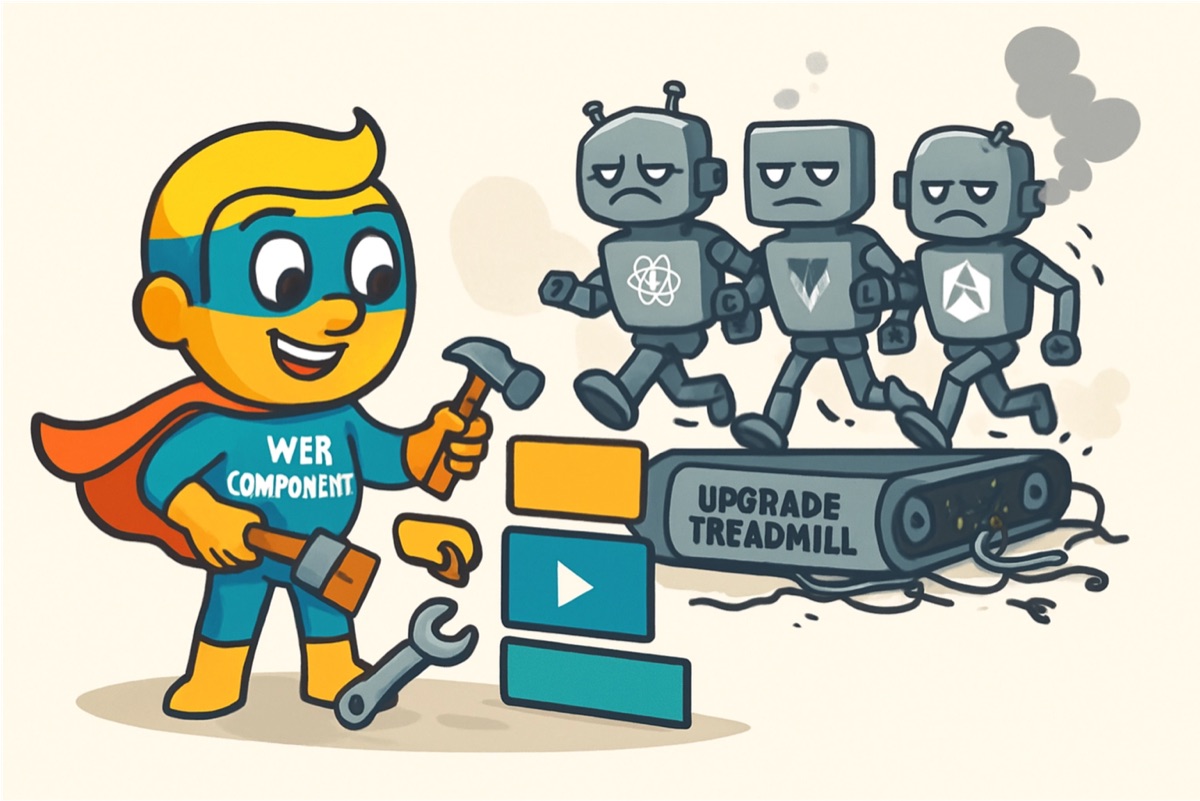
Web Components Enable Framework-Free Modern UI Development
The article discusses how modern browsers now support Web Components, custom elements, and shadow DOM, enabling developers to build sophisti
 caimito.net·3mo ago
CSS @scope Rule: A Native Solution for Scoped Styles and Component Isolation
The article discusses the new CSS @scope rule as a solution to the challenges of maintaining CSS in complex modern interfaces. It explains h
Smashing Magazine·3mo ago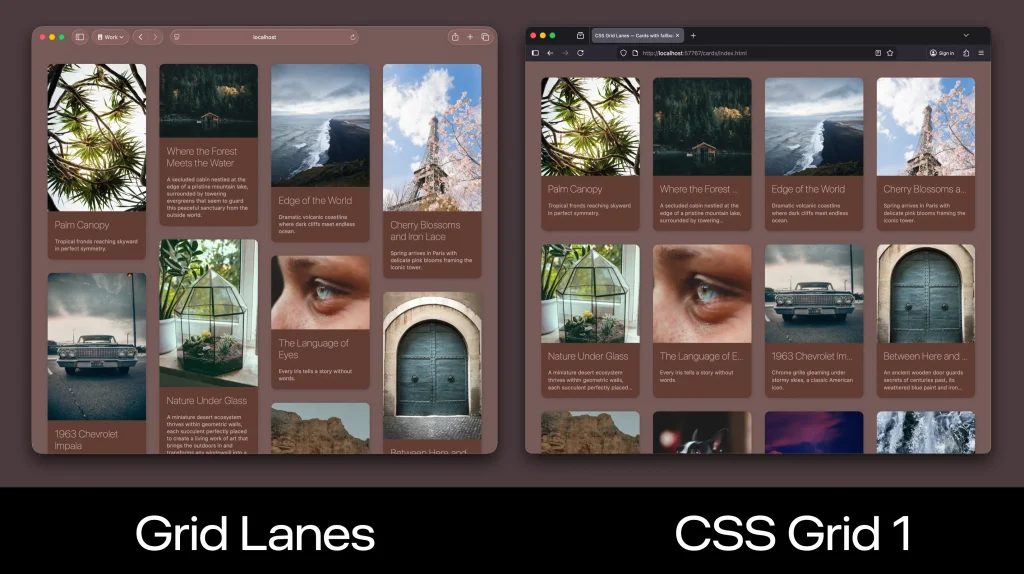
CSS Grid Lanes: Current Browser Support and Implementation Guide
The article discusses the upcoming CSS Grid Lanes feature, explaining its current browser support status and providing practical guidance fo
 webkit.org·4mo ago
Using Custom HTML Tags: How Browsers Handle Unrecognized Elements
The article explains that web browsers treat unrecognized HTML tags as generic elements, allowing developers to create custom tags with hyph
maurycyz.com·5mo ago
CSS Wrapped 2025: How CSS Evolves to Handle Logic, State, and Complex Interactions
The article discusses the 2025 CSS Wrapped report, highlighting how CSS has evolved beyond simple styling to handle logic, state, and comple
Smashing Magazine·5mo ago