





















Decision context graphs solve enterprise AI agents' memory and reasoning limitations
By
Taryn Plumb

Master baker tier. Every paragraph earns its place on the tray.
Summary
The article discusses a fundamental limitation of RAG (Retrieval-Augmented Generation) architectures in enterprise AI agents: they retrieve semantically relevant documents but lack structured memory, time-aware reasoning, and explicit decision logic. This causes agents to act on expired rules and fail to compound knowledge over time. The article introduces a solution called a "decision context graph" (built by startup Rippletide in the Neo4j ecosystem) that gives agents non-regressive capabilities—freezing validated sequences of actions and building upon them over time. The key innovation is enabling agents to distinguish between current and outdated information through time-scoped memory and explicit decision logic encoding.
Key quotes
· 3 pulledRAG architectures are good at one thing: surfacing semantically relevant documents. That's also where they stop.
The key point you want is non-regressivity: How do you make sure that, when the agent will generate something new, you can compound on the previous
RAG retrieves documents but not decision logic, causing agents to act on expired rules.
You might also wanna read

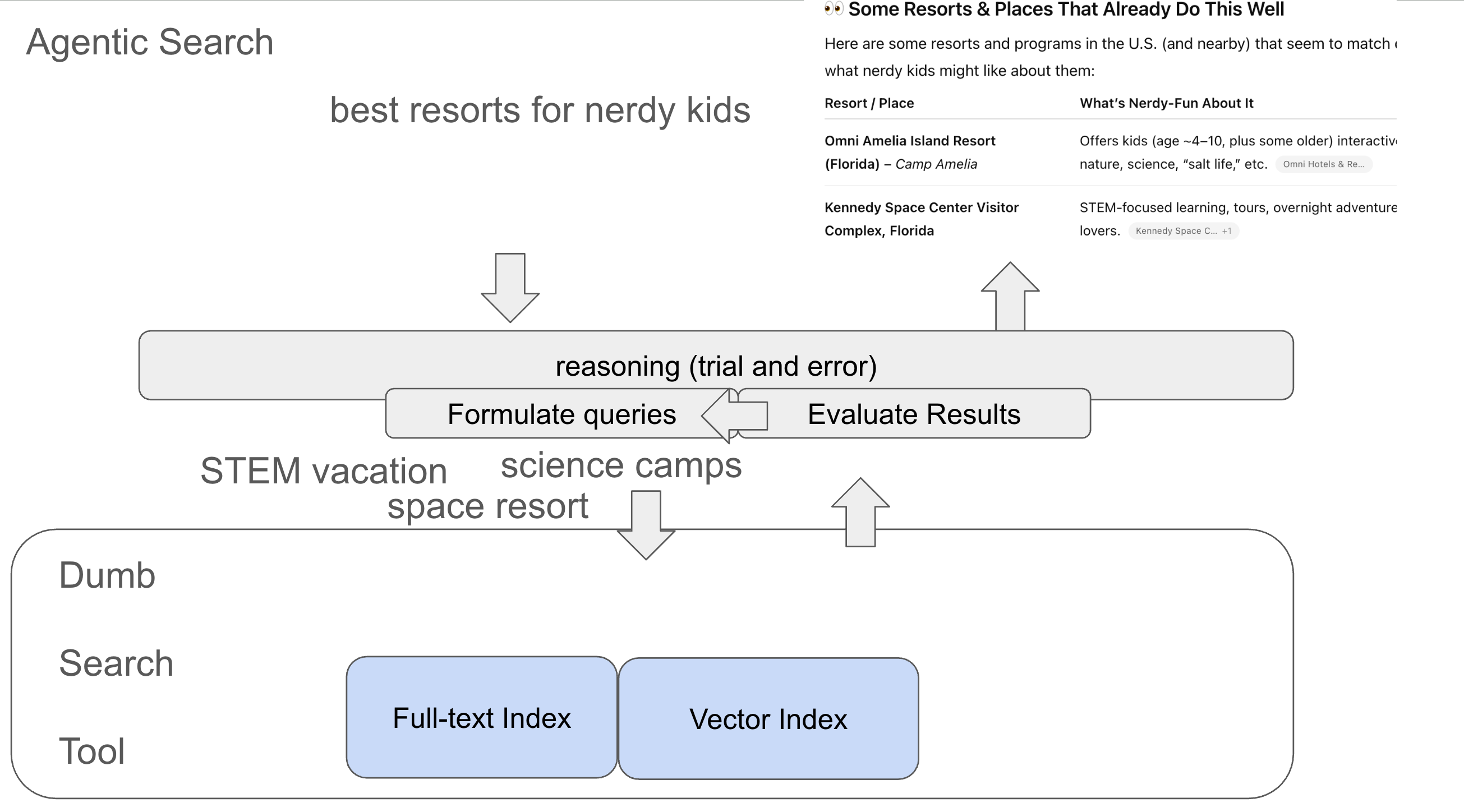
How AI agents are evolving RAG systems from keyword search to iterative, reasoning-based search experiences
The article discusses how AI agents are transforming traditional RAG (Retrieval-Augmented Generation) systems by moving beyond simple keywor
 softwaredoug.com·8mo ago
Meta Superintelligence Labs' First Paper Focuses on Retrieval-Augmented Generation (RAG)
Meta Superintelligence Labs' first published paper focuses on Retrieval-Augmented Generation (RAG) rather than expected model layer innovati
 paddedinputs.substack.com·7mo ago
Strategies for Mitigating Context Failures in LLM Applications
This article provides practical strategies for mitigating and avoiding context failures in large language model applications, focusing on in
 dbreunig.com·9mo ago
Evaluating LangGraph for Agentic AI Workflows: A Decision-Maker's Guide
LangGraph is becoming the default framework for teams building agentic AI workflows, but its growing reputation means many teams adopt it by
 labyrinthanalyticsconsulting.com·3d ago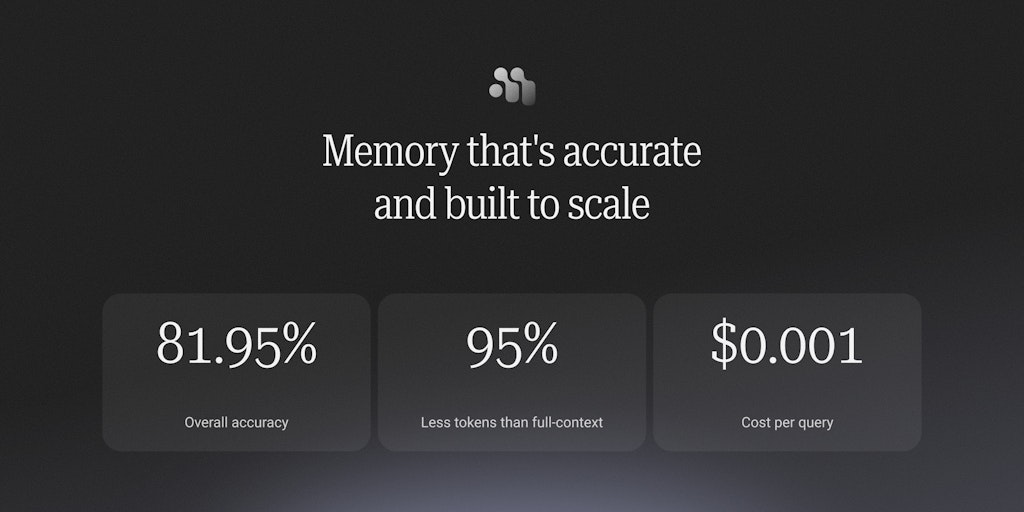
Memori launches agent-native persistent memory infrastructure using structured knowledge graphs from agent trace data
Memori is a new agent-native memory infrastructure that enables AI agents to create structured, long-term persistent memory directly from ag
 Product Hunt·26d ago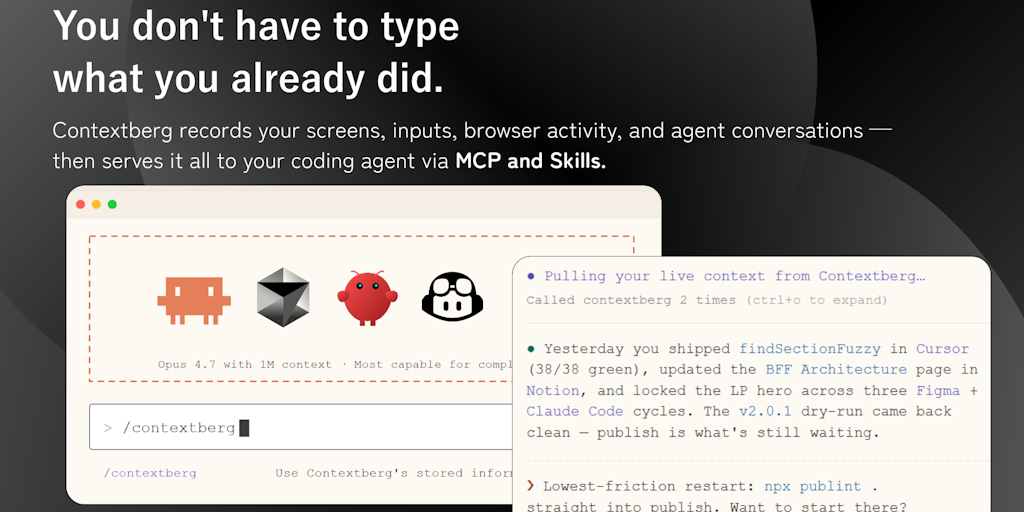
Contextberg: A local memory app that gives AI agents persistent context via MCP
Contextberg is a local memory application for AI agents that runs in the background, monitoring screens, browser history, and agent conversa
Product Hunt·24d ago