





















Europe's energy dependence on Russia persists despite post-invasion diversification efforts

Properly proved. Has structure, has flavour, has a point.
Summary
Russia's 2022 invasion of Ukraine exposed Europe's structural dependence on fossil fuel imports. While the EU has successfully secured alternative gas supplies through "energy diplomacy" during the geopolitical crisis, the bloc still relies on fossil fuels for nearly 60% of its energy demand. The article argues that Europe's clean energy future requires moving beyond emergency diversification toward a genuine transition away from fossil fuels, reducing dependence on Russia and other external suppliers.
Key quotes
· 3 pulledRussia's all-out invasion of Ukraine in 2022 exposed a structural weakness in Europe's energy system: its deep dependence on fossil fuel imports.
This 'energy diplomacy' has shown what the bloc can achieve in a geopolitical emergency situation that undermines governments' ability to keep the lights on for their citizens.
But the EU remains heavily reliant on fossil fuels, which meet nearly 60% of the bloc's energy demand.
You might also wanna read

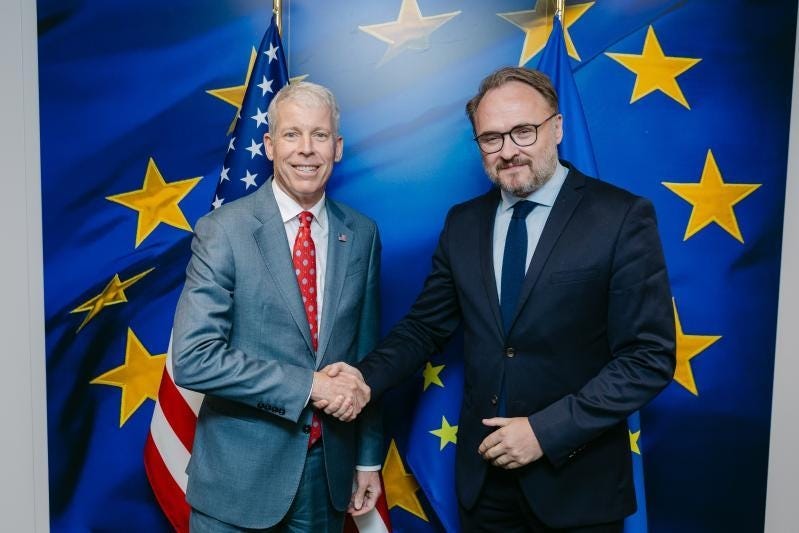
Europe's Shift from Russian to US Energy Dependence Through $750 Billion LNG Deal
The article discusses how Europe, after escaping Russian energy dependence, is now becoming locked into long-term energy dependence on US li
 davekeating.substack.com·8mo ago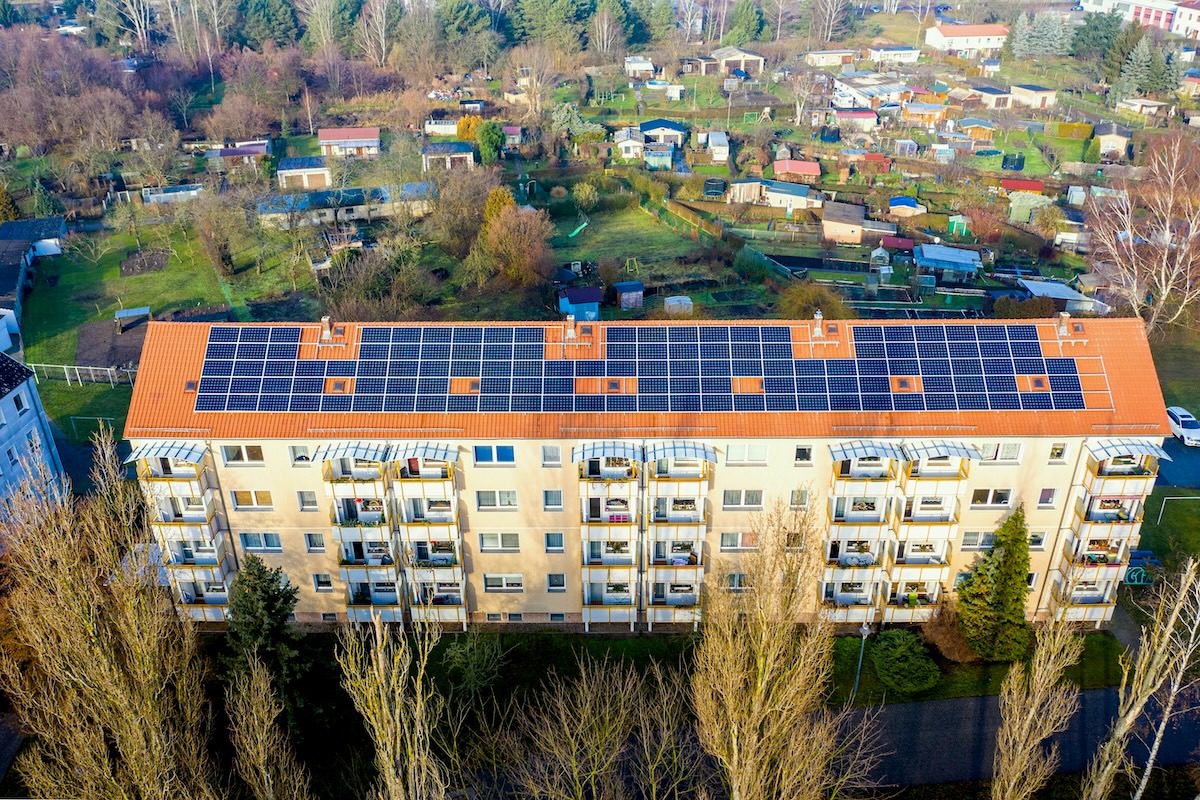
Europe's Renewable Energy Milestone: Wind and Solar Now Outpace Fossil Fuels in Power Generation
Europe has reached a significant energy milestone, with wind and solar power generation now surpassing fossil fuels for the first time. In 2
 e360.yale.edu·4mo ago