





















Effective Strategies for Using Claude Code as a Design Partner for Complex Tasks
By
scastiel

Reliable enough to start your morning with. Toast it again tomorrow.
Summary
The article discusses the author's journey from a naive approach to using Claude Code (describing tasks directly and fixing mistakes) to developing more sophisticated strategies for complex tasks. It highlights problems with simple prompting approaches, including conversation history becoming the only source of truth, lack of systematic error handling, and difficulty scaling. The author shares insights on how to effectively use AI coding assistants as design partners rather than just task executors.
Key quotes
· 4 pulledWhen I first started using Claude Code, I had a naive approach to working with it. I would describe the task directly in the prompt, press Enter, and cross my fingers.
If the agent made mistakes, I would tell it how to fix them. For small tasks, this can be good enough, but as the task grows in complexity, this approach reveals several significant drawbacks.
The first problem is that the conversation becomes the only source of truth about the task.
This means a new message can override instructions from an old one, but it isn't always clear when this happens.
You might also wanna read


Building a Software Factory with Claude Code: From AI-Assisted Coding to Agentic Development
This article provides a comprehensive guide on building a software factory using Claude Code and other AI coding tools. It covers the evolut
 freecodecamp.org·3d ago
Claude Code Works Better When You Let Sessions Die

10 Practical Tips to Improve Your Claude AI Experience
A practical guide offering 10 tips and tricks for getting the most out of Claude, the AI chatbot. The article covers techniques like using c
 lifehacker.com·10h ago
How AI Coding Tools Like Claude Code Are Transforming Software Development
The article discusses how software development is rapidly changing with the rise of AI coding tools like Claude Code, where developers are w
 The Verge·2mo ago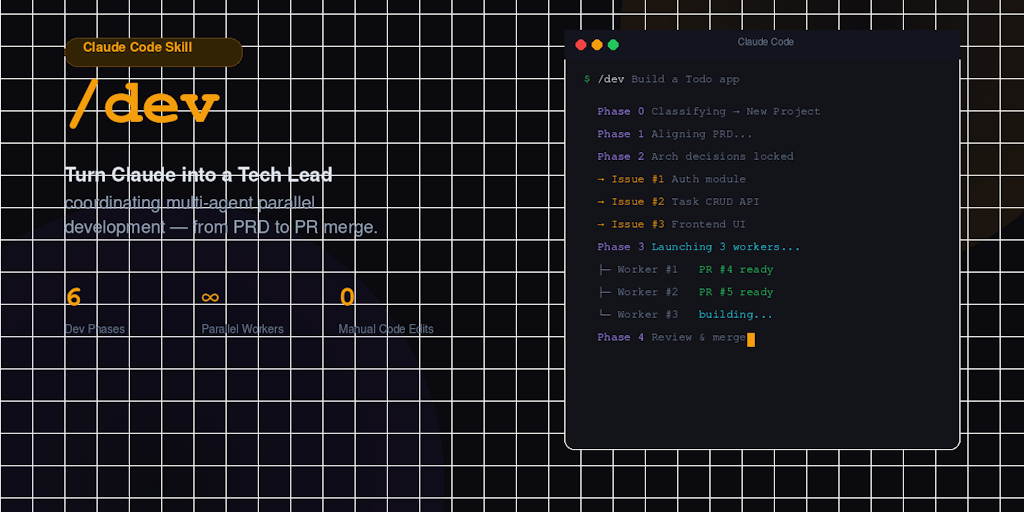
/dev: Open-Source AI Coding Tool That Turns Claude Code into a Tech Lead with Structured Engineering Process
/dev is an open-source AI coding tool that transforms Claude Code into a Tech Lead with a structured 6-phase engineering process using paral
 Product Hunt·1mo ago
Practical Guide to Using AI Coding Tools for Responsible Development
The article provides practical guidance for developers on responsibly integrating AI coding tools into their workflow. Based on two years of
 Smashing Magazine·4mo ago