





















When Your Raspberry Pi Actually Needs a Fan (And When It Doesn't)
By
Patrick Fromaget

Crisp on the outside, thoughtful on the inside. A keeper.
Summary
A practical guide examining whether a Raspberry Pi needs active cooling. The article explains that fans are not always necessary — they're mainly useful for Raspberry Pi 5 models, heavy workloads, enclosed cases, or when heat causes throttling. For light projects, older models, or short sessions, passive cooling or no extra cooling is often sufficient. The author shares personal experience about how a fan was included in their first kit but turned out to be unnecessary for many use cases.
Key quotes
· 3 pulledA Raspberry Pi does not always need a fan.
A fan is mainly useful for Raspberry Pi 5, heavy workloads, enclosed cases, or situations where heat causes throttling.
For light projects, older models, or short sessions, passive cooling or no extra cooling is often enough.
You might also wanna read


A fan won't stop you feeling sticky in hot weather – to tackle humidity at home this is what experts…
 Ideal Home·22d ago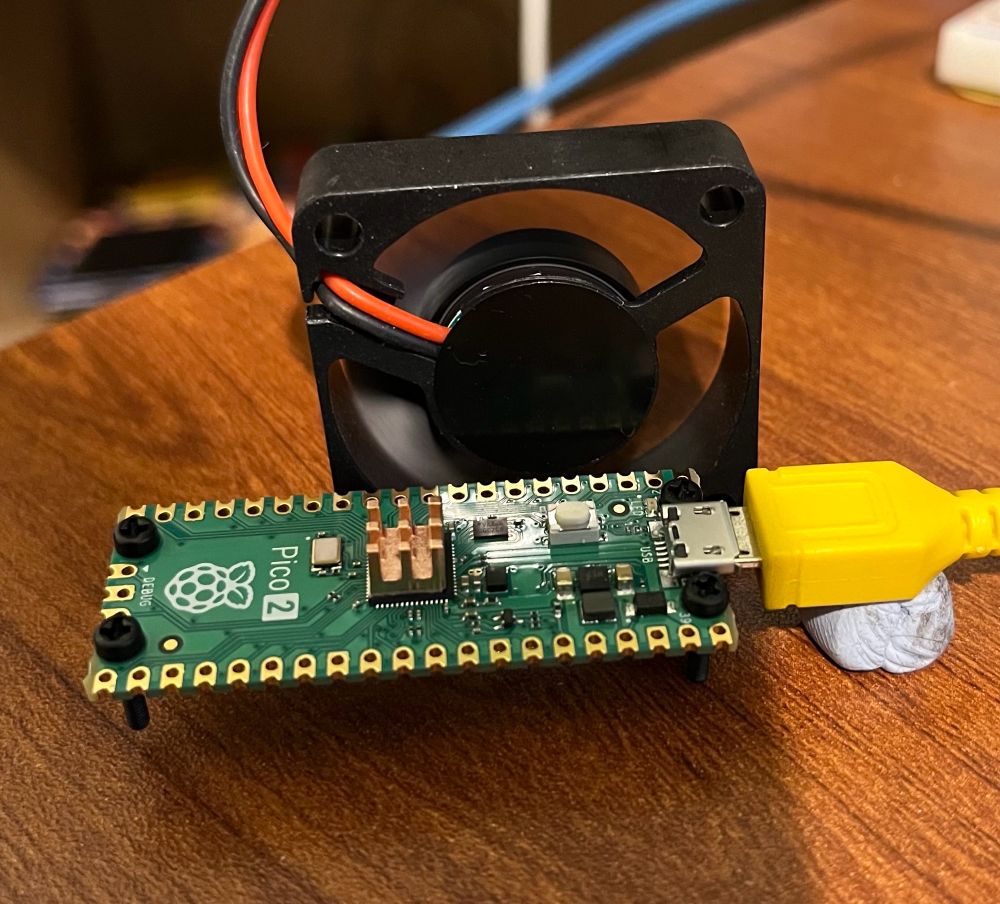
Experimental Overclocking of Raspberry Pi Pico 2 with Dry Ice Cooling
This article details an experimental overclocking project with the Raspberry Pi Pico 2 microcontroller, exploring how fast the RP2350 chip c
 learn.pimoroni.com·3mo ago
This cooling hack will turn your fan into an air conditioner – and it’s completely free
Ideal Home·11mo ago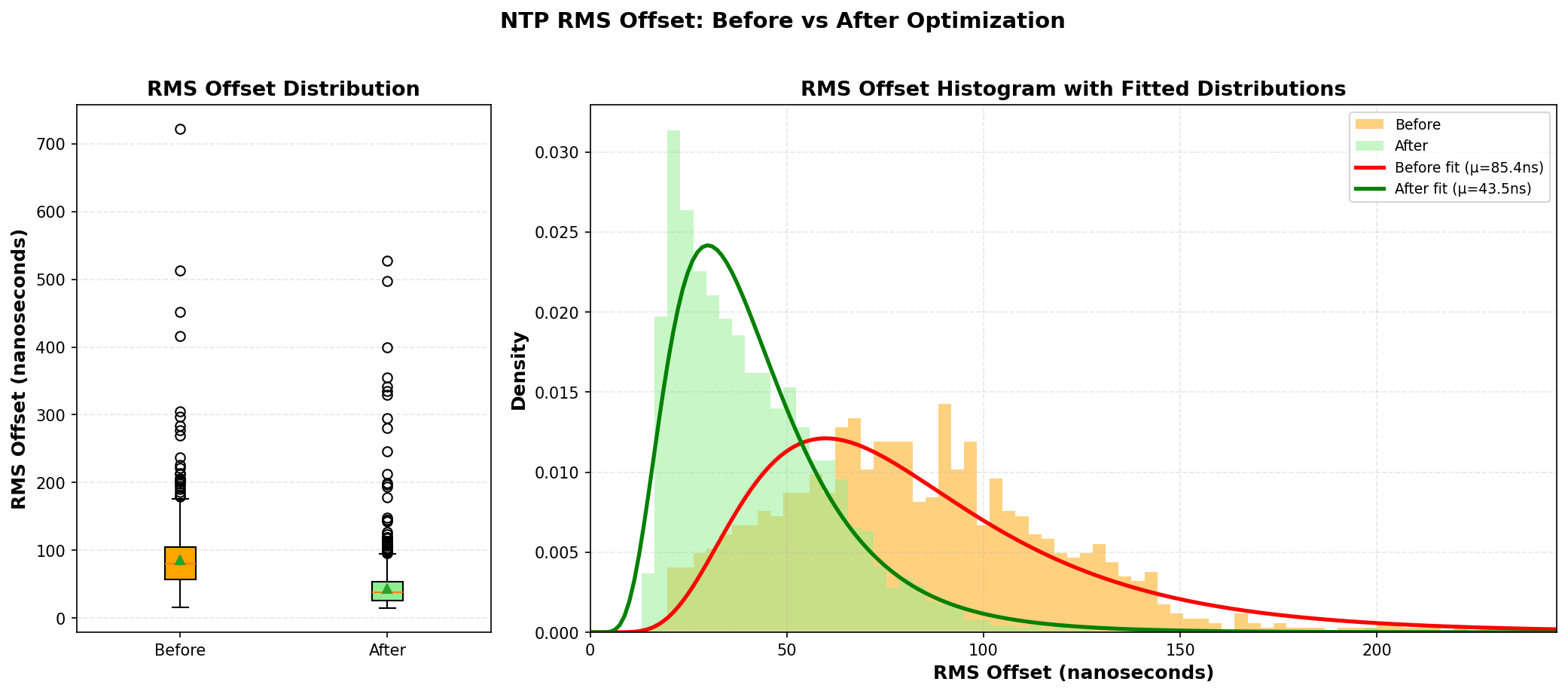
Improving Raspberry Pi NTP Server Stability Through Thermal Management
The article details a technical investigation into improving Raspberry Pi NTP server stability by addressing thermal management issues. The
 austinsnerdythings.com·6mo ago
Exploring DIY Solutions for a Noisy GPU Fan
The article discusses the author's DIY adventure in solving a noisy GPU fan issue, involving technical explorations with ATX power, MOSFET m
shafq.at·10mo ago
Are bladed or bladeless fans better? Experts explain the key differences — and how to choose the right one for you
Ideal Home·11mo ago