





















Why DNS should be reserved for human-facing services, not internal infrastructure
By
louwrentius

Pulled from the oven just right. Trustworthy, fact-dense, deeply satisfying.
Summary
The article argues that DNS (Domain Name System) should primarily be used for human-facing services (websites, APIs) because it helps people remember names instead of IP addresses. However, the author questions whether DNS should be used for internal IT infrastructure, where machines communicate with other machines and don't benefit from human-readable names. The piece suggests that relying on DNS for internal infrastructure adds unnecessary complexity, latency, and points of failure, advocating for more direct service discovery and communication methods for machine-to-machine interactions.
Key quotes
· 4 pulledThe Domain Name System exists because it's difficult for people to remember IP addresses (185.15.59.224) and much easier to remember domain names (wikipedia.org).
This article isn't against DNS for public services, but it questions if we should use DNS for internal IT infrastructure (independent of cloud vs
Regarding internet-accessible services, it makes sense to publish websites, API endpoints or similar services using DNS, as people have to interface with them.
The added benefit of a domain name is that the associated IP address can change without the client being affected.
You might also wanna read


DNS-AID: Open-source project lets AI agents discover each other using existing DNS infrastructure
DNS-AID (DNS for AI Discovery) is an open-source project under the Linux Foundation that enables AI agents to discover and connect with one
 theregister.com·6d ago
Children's digital privacy must be treated as critical public infrastructure in the AI era
The article argues that children's digital privacy can no longer be treated as merely a consumer issue involving parental controls and conse
 policyoptions.irpp.org·5d ago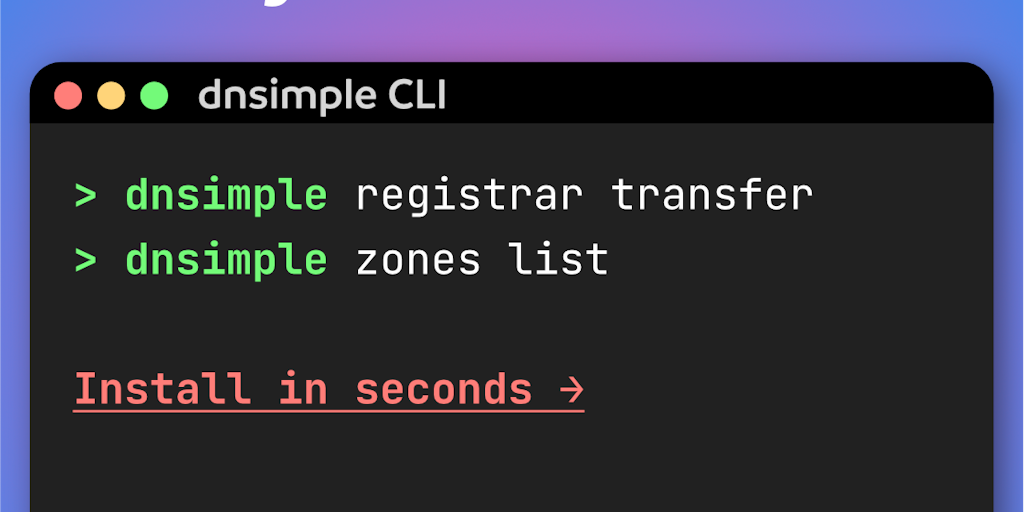
DNSimple Launches CLI Tool for Terminal-Based Domain and DNS Management
DNSimple has launched a CLI tool that allows developers to manage DNS records, domain registrations, and SSL/TLS certificates directly from
 Product Hunt·17d ago