





















Deep-sea sponges reveal new survival strategies in the dark abyss

The kind of bagel that ruins lesser bagels for you.
Summary
Deep-sea marine sponges, which form vast "gardens" spanning thousands of square kilometers in the permanently dark, cold abyss (roughly 95% of the ocean), survive through unique adaptations that scientists are only beginning to understand. These organisms thrive in complete darkness by recycling every available scrap of organic matter, challenging previous assumptions about life in extreme environments.
Key quotes
· 3 pulledBy volume, roughly 95% of the ocean consists of the permanently dark, cold deep sea.
Deep-sea marine sponges are among the organisms that live in these mysterious dark waters.
They form 'gardens' that are among the largest ecosystems on the planet, some spanning thousands of square kilometers.
You might also wanna read

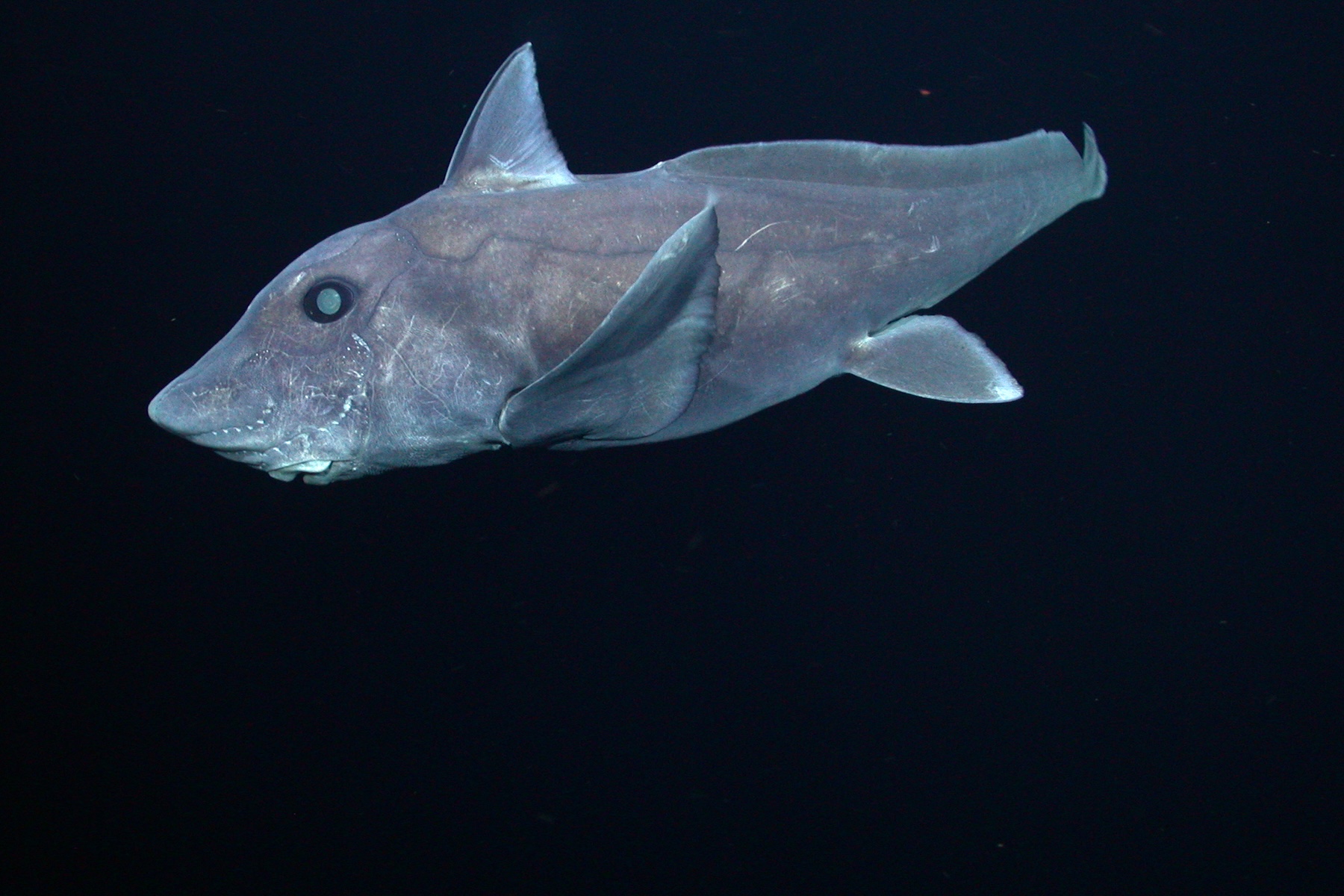
Ghost Shark: Ancient Cartilaginous Fish of the Deep Sea
The ghost shark (Hydrolagus spp.), also known as ratfish, is an ancient relative of sharks and rays that lives in the deep ocean. Unlike bon
 mbari.org·4d ago
Coyote Swims to Alcatraz Island for First Recorded Time, Surprising Experts
A coyote was captured on video swimming to Alcatraz Island in San Francisco for the first time ever, surprising experts and staff. The unpre
 sfgate.com·4mo ago
Exploring the Bioluminescence of the Salish Sea: Nature's Glowing Waters
This article explores the phenomenon of bioluminescence in the Salish Sea, featuring insights from researchers and naturalists who study thi
 atlasobscura.com·5mo ago
Wild Orcas Display Cross-Species Cooperation by Bringing Humans Food
Wild orcas have been observed offering humans pieces of fish, marine mammals, and seaweed in a rare form of cross-species cooperative behavi
The Onion·10mo ago
Biomechanics of Explosive Seed Dispersal in Squirting Cucumbers Revealed
New research explores the biomechanics of explosive seed dispersal in squirting cucumbers, revealing unique traits that propel high-speed se
phys.org·10mo ago
Study Shows Weight Decay During Pretraining Improves Language Model Adaptability After Fine-Tuning
This research paper investigates how weight decay during pretraining of large language models affects their downstream adaptability (plastic
 arxiv.org·10m ago