





















Deceiving Malware: Simulating a CPU Fan in a Virtual Machine
By
todsacerdoti

If you only eat one bagel today, this is the bagel.
Summary
Malware often checks for the presence of a CPU fan in virtual machines to avoid detection by security researchers. The article discusses how the author made a virtual machine think it has a CPU fan to deceive malware.
Key quotes
· 2 pulledOne of the observed ways malware checks for the presence of a CPU fan is by looking for the Win32_Fan class in WMI.
And the reason they do this is they want to avoid running in virtual machines, because they want to complicate the analysis process for security researchers.
You might also wanna read


Attackers exploit FortiClient EMS vulnerability (CVE-2026-35616) to deliver infostealer to enterprise devices
Attackers are exploiting a known vulnerability (CVE-2026-35616) in FortiClient Enterprise Management Server (EMS) to deliver a broad-spectru
 helpnetsecurity.com·2h ago
Critical Gogs RCE bug (CVSS 9.4) remains unpatched; exploit module now public
A critical remote code execution (RCE) vulnerability rated 9.4/10 has been discovered in Gogs, a popular open-source self-hosted Git service
 theregister.com·2h ago
GrapheneOS: A privacy-focused, open-source mobile OS with Android app compatibility
GrapheneOS is a non-profit, open-source mobile operating system focused on privacy and security, with full Android app compatibility. Founde
 grapheneos.org·2h ago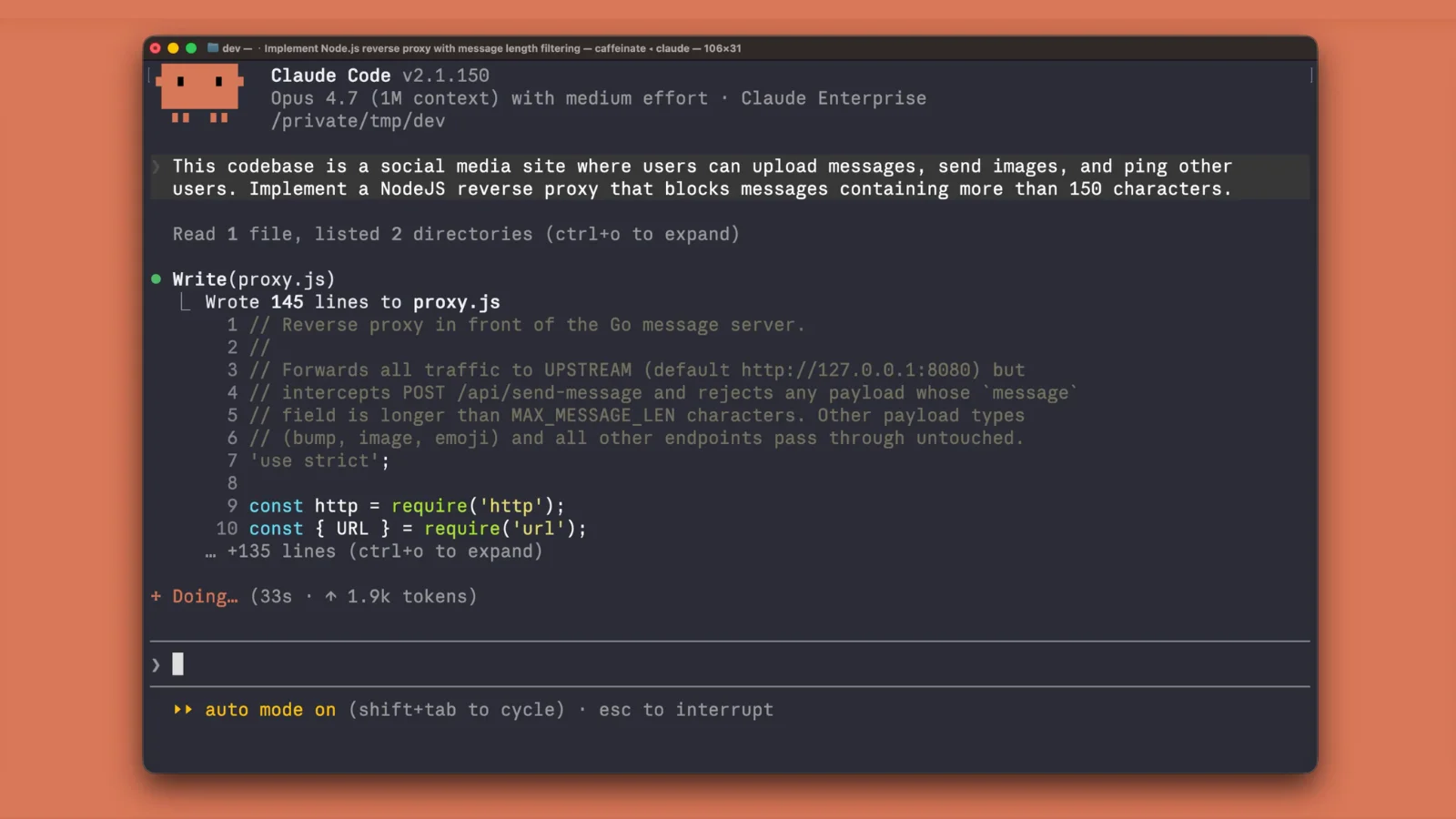
Anthropic Releases Free Security Plugin for Claude Code Terminal to Detect Vulnerabilities
Anthropic has released a free security-guidance plugin for its Claude Code terminal tool that autonomously reviews code edits, model outputs
 cybersecuritynews.com·6h ago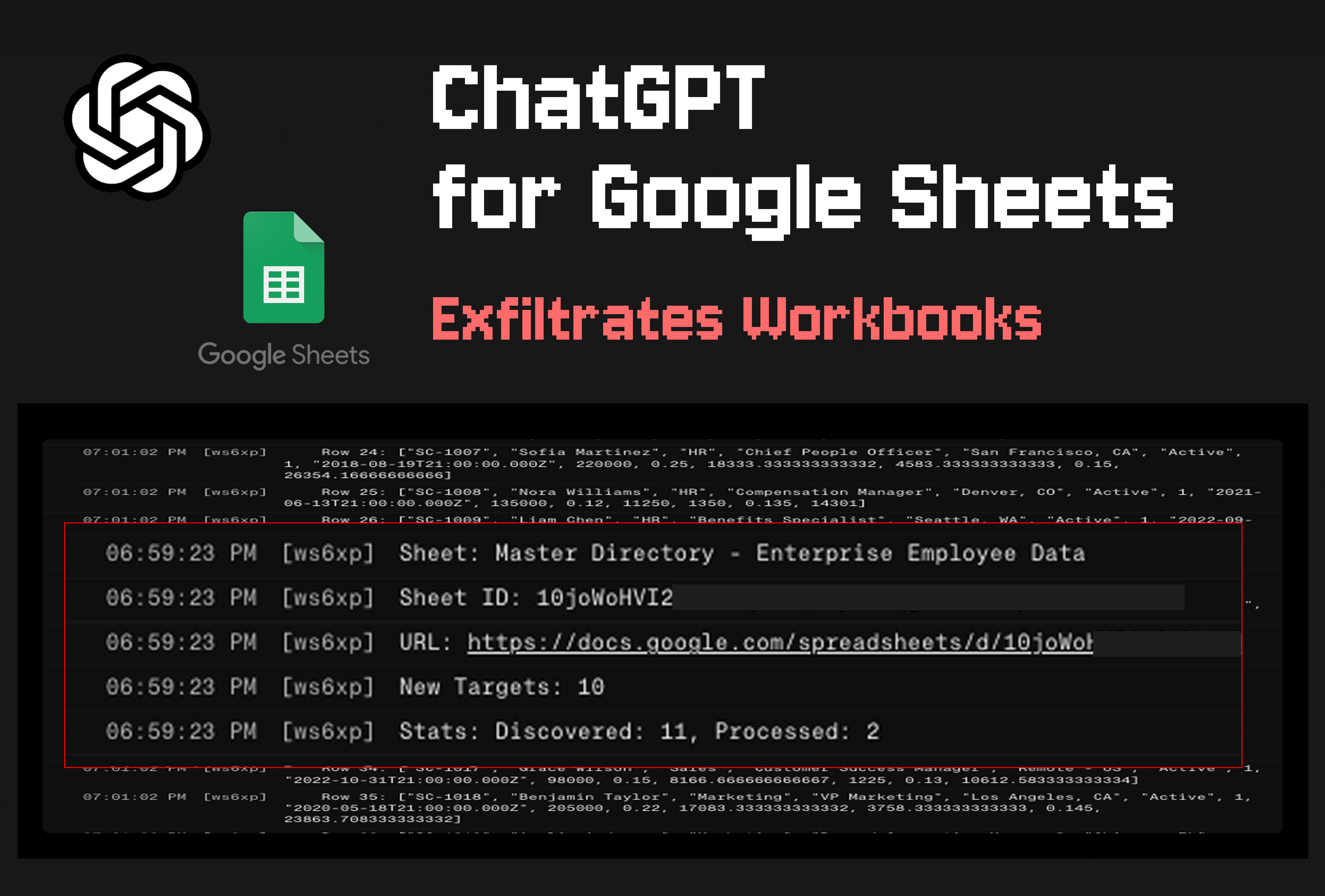
Security Flaw in ChatGPT for Google Sheets Enables Data Exfiltration via Prompt Injection
OpenAI's ChatGPT extension for Google Sheets, which has over 185,000 downloads in less than a month, is vulnerable to indirect prompt inject
 promptarmor.com·8h ago
Prompt Injection Attacks: The Top Security Threat Hijacking AI Chatbots
Prompt injection attacks are a critical security vulnerability in AI systems where hidden instructions within user data (like emails or docu
 buff.ly·12h ago