





















Reader Reflection on a Pulitzer-Winning U.S. Constitution History Book
By
Frank Lynch

A bagel-shaped object. The form is there, the soul isn't.
Summary
A reader shares their experience reading a Pulitzer Prize-winning book (likely Jill Lepore's "These Truths") about the U.S. Constitution and American history. The reader notes the book's focus on the compromises and processes behind constitutional amendments, highlighting that the Founding Fathers were not a monolithic group and represented only a subset of the population. As they progress further into the book (about one-third in, up to 1861), they realize the book's scope is broader than expected—covering the intersection of U.S. history and the Constitution rather than focusing narrowly on the original constitutional compromises. The reader expresses some disappointment about this broader scope and doubts they have time to finish it.
Key quotes
· 4 pulledthe Founding Fathers were not a monolithic group, and that they represented only a subset of the American population (no women, no slaves, no Native Americans, and only property holders)
it seems like this book isn't about the Constitution itself but about the intersection of the history of the United States and the Constitution... that is, its scope is broader than I expected and more than I wanted
I really wanted greater focus on all the compromises etc that got us to the original constitution and how it got us to the point where California and Wyoming have the same number of Senators and how nothing can be done about it
I'm looking at my body clock and doubting I have time for all of the rest of this book, as good as I'm sure it is
You might also wanna read

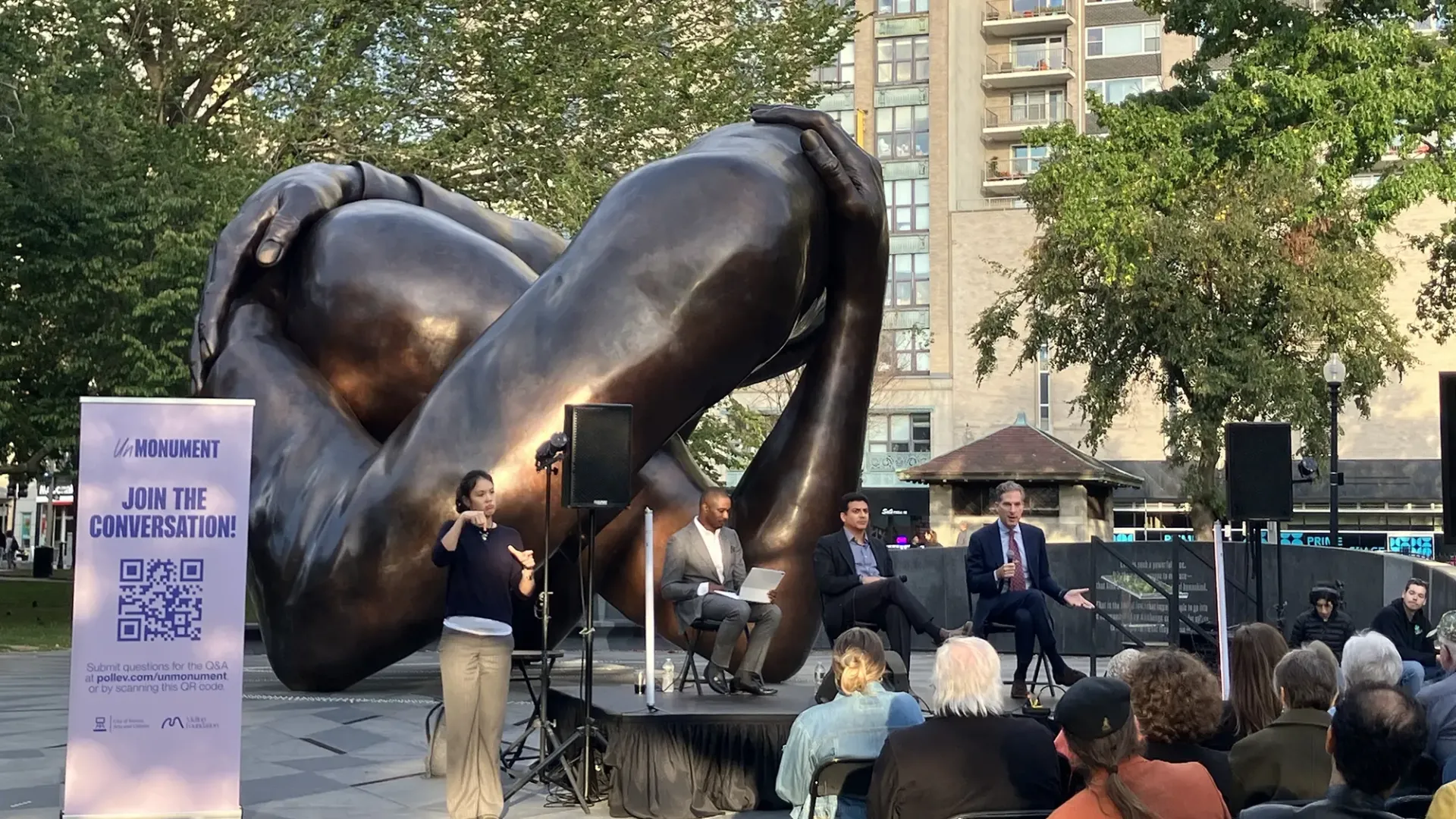
Legal Scholars Debate the State of the U.S. Constitution Amid Executive Power Challenges
The article examines the current state of the U.S. Constitution during the Trump administration, which legal scholars describe as a 'constit
 harvardmagazine.com·4mo ago
A satirical look at the Soviet 1936 constitution and its contrast with modern governance
The article uses a satirical comparison between the Soviet Union's 1936 constitution (which promised extensive rights and benefits) and mode
 experimental-history.com·28d ago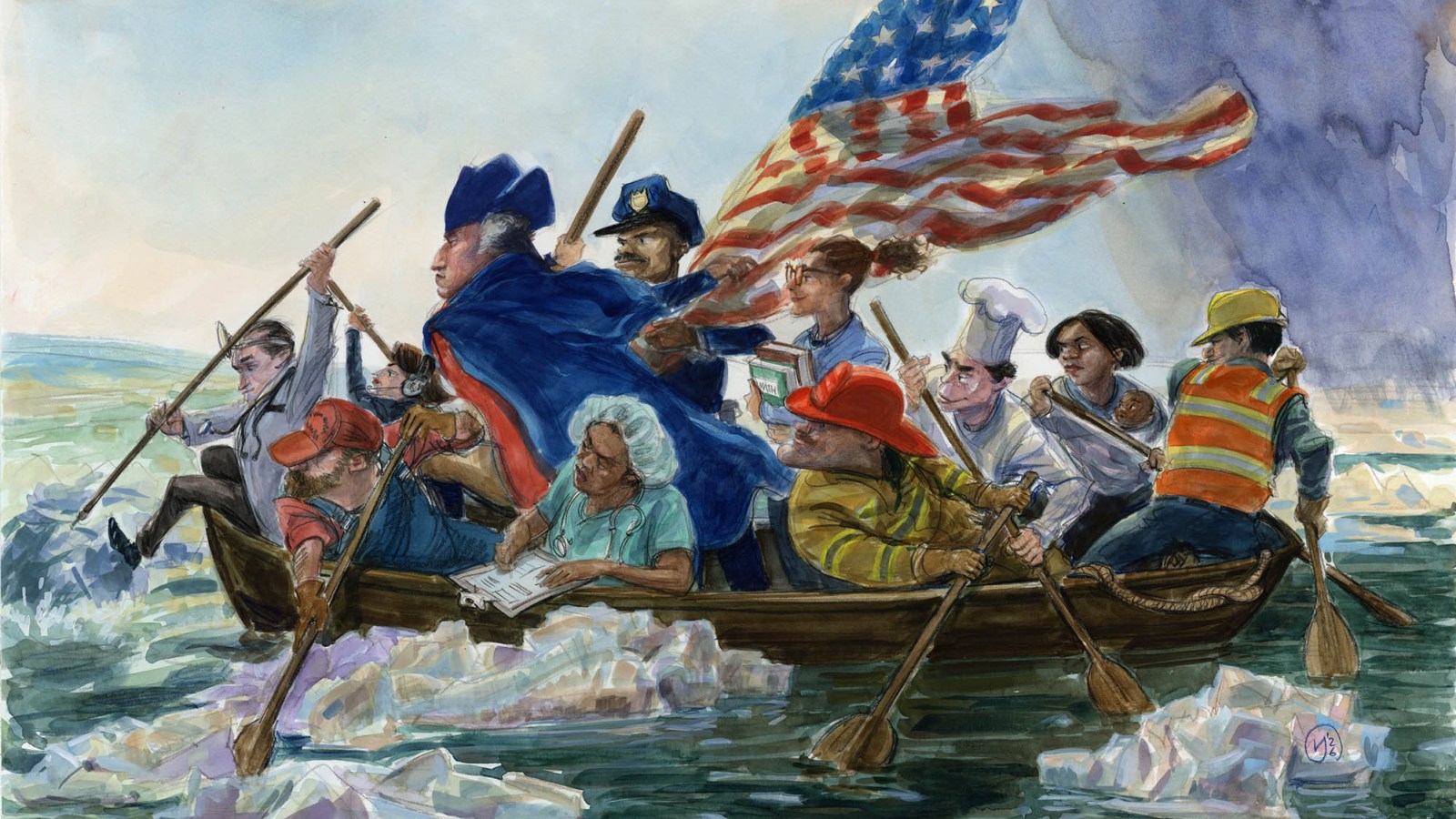
Ken Burns on the Founding Fathers' Vision of Citizenship as Active Duty
Filmmaker Ken Burns examines the Founding Fathers' original vision of citizenship as an active duty requiring community engagement and civic
 Rolling Stone·27d ago
Thomas Paine's Revolutionary Skepticism: How 'Common Sense' Challenged Monarchy and Authority
This article examines Thomas Paine's 1776 pamphlet 'Common Sense' and its relevance to modern political skepticism. The piece uses David Cro
 theconversation.com·8mo ago
Historical Perspective on Mandated Health Insurance in the United States
The article discusses the historical context of mandated health insurance in the United States, referencing a law passed in 1798. It contras
forbes.com·1y ago
Reflections on Naturalization: Concerns of Naturalized Citizens
The article reflects on the author's naturalization experience in the United States and the concerns of naturalized citizens about defending
theatlantic.com·10mo ago