





















Coral Protocol: Open Infrastructure for Multi-Agent AI Collaboration
By
joj333

Properly proved. Has structure, has flavour, has a point.
Summary
Coral Protocol is an open, decentralized infrastructure designed to enable communication, coordination, trust, and payments for the 'Internet of Agents' - a network of multiple specialized AI agents that need to work together across different domains and vendors. It provides a common language and coordination framework for multi-agent AI ecosystems, featuring standardized messaging formats, modular coordination mechanisms, and secure team formation capabilities to facilitate efficient and trustworthy agent interactions.
Key quotes
· 4 pulledCoral Protocol is an open and decentralized collaboration infrastructure that enables communication, coordination, trust and payments for The Internet of Agents.
It addresses the growing need for interoperability in a world where organizations are deploying multiple specialized AI agents that must work together across domains and vendors.
As a foundational platform for multi-agent AI ecosystems, Coral establishes a common language and coordination framework allowing any agent to participate in complex workflows with others.
Together, these innovations position Coral Protocol as a cornerstone of the emerging 'Internet of Agents,' unlocking new levels of automation, collective intelligence, and business value through open agent collaboration.
You might also wanna read

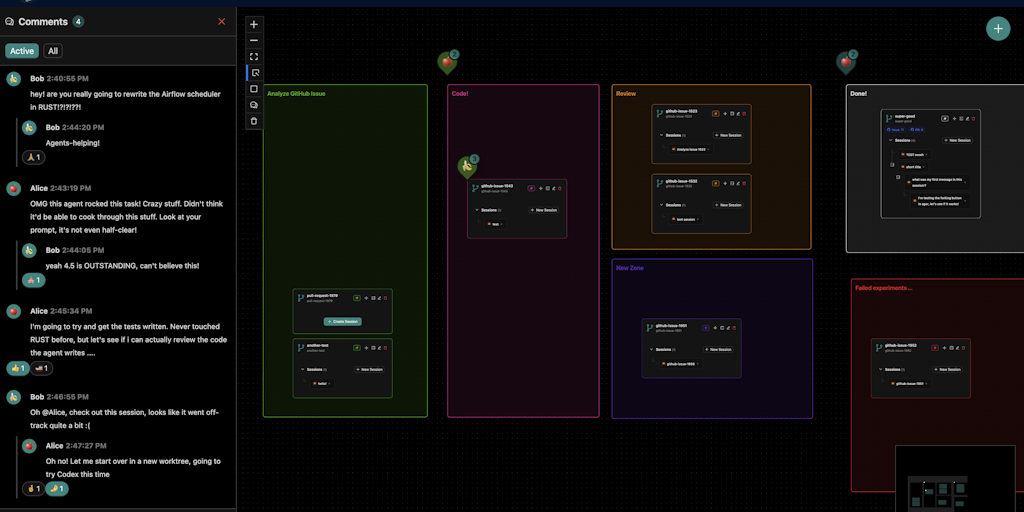
Agor: Multiplayer Workspace for Orchestrating AI Coding Agents
Agor is a next-generation agent orchestration platform designed for AI coding, enabling teams to coordinate multiple AI coding agents like C
 Product Hunt·6mo ago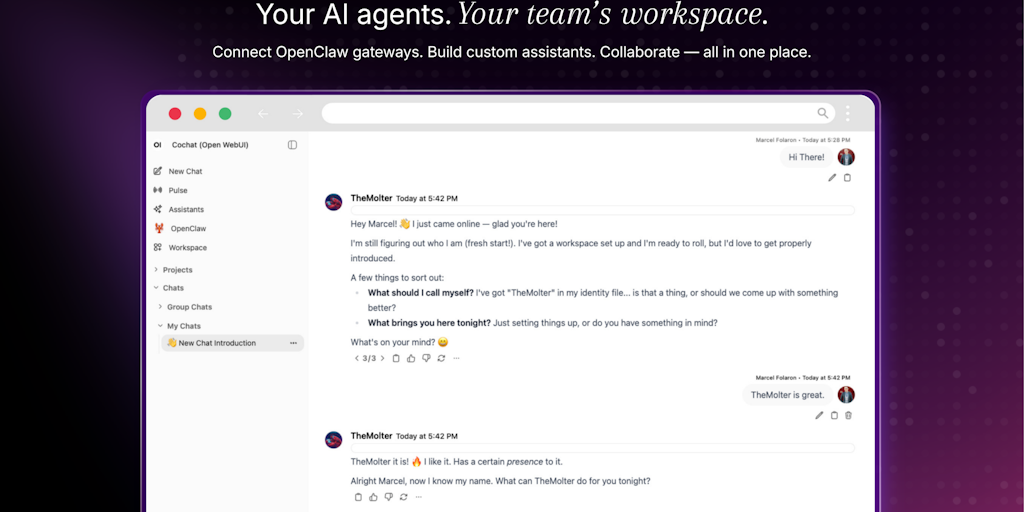
CoChat: Secure Team Collaboration Platform for AI Agents Using OpenClaw
CoChat is a secure collaboration platform that enables teams to work with AI agents using OpenClaw. It provides secure gateways (self-hosted
Product Hunt·2mo ago
Khorus Platform: Agent-to-Agent Infrastructure for Collaborative Application Development
Khorus is a platform that enables developers to build, deploy, and tokenize applications using an agent-to-agent (A2A) infrastructure built
Product Hunt·7mo ago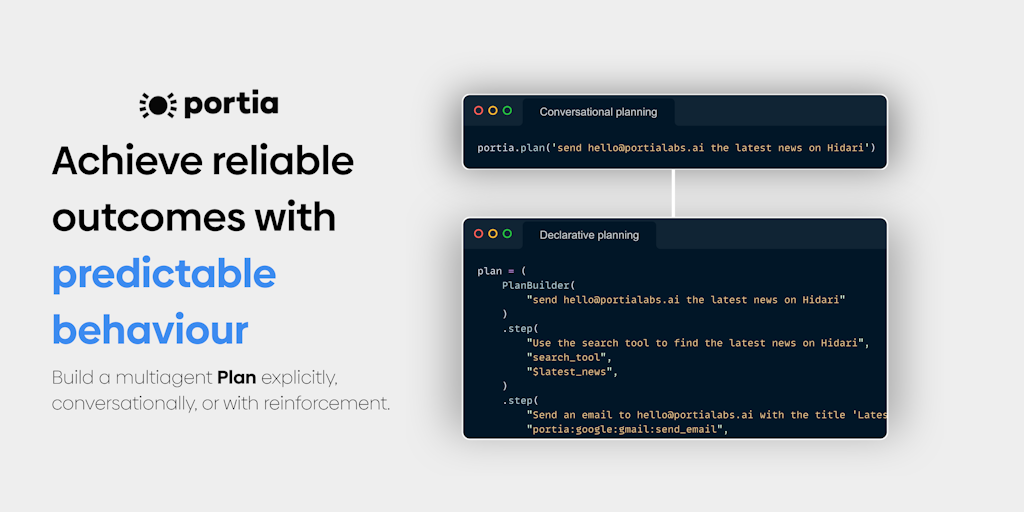
Portia AI Platform for Building Trusted AI Agents in Regulated Environments
Portia AI is a platform that enables developers to build safe, reliable AI agents for regulated industries with compliance requirements. The
Product Hunt·11mo ago
AI Companies Collaborate on Model Context Protocol for Interoperable AI Agents
Major AI companies including Anthropic, OpenAI, Google, and Block are collaborating on the Model Context Protocol (MCP), a standardized fram
 The Verge·5mo ago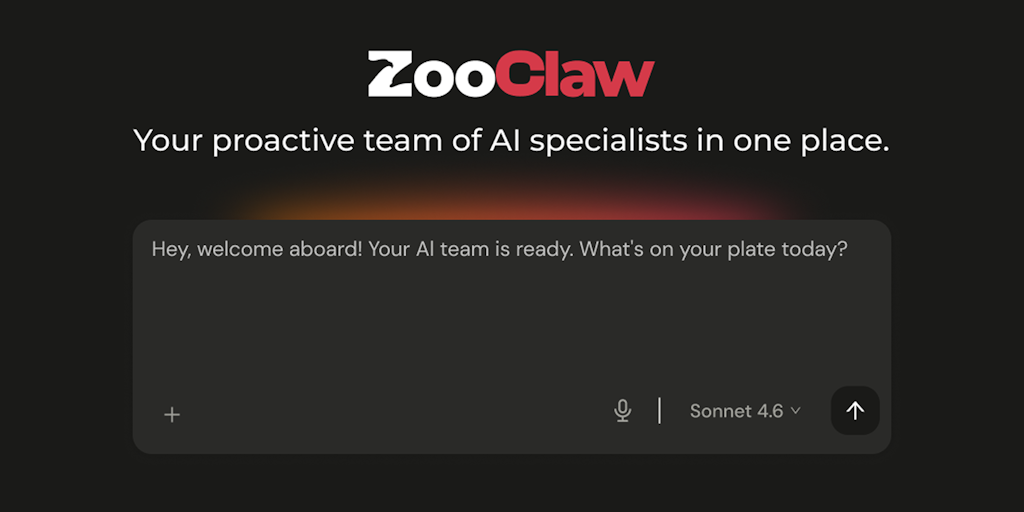
ZooClaw: AI Platform Providing Access to Specialized AI Agents
ZooClaw is an AI platform that serves as a single entry point to a team of specialized AI agents. Users can submit tasks in natural language
Product Hunt·2mo ago