





















Containarium: Multi-tenant Linux Development Environments Using LXC Containers
By
hsin003

The bagel they save for the regulars. Don't skim, savour.
Summary
Containarium is an open-source platform that enables running hundreds of isolated Linux development environments on a single virtual machine using LXC (Linux Containers) instead of traditional one-VM-per-developer setups. The system uses SSH jump hosts and cloud-native automation to provide fast, cheap, isolated Linux environments without requiring Kubernetes or individual VMs per user. The solution addresses the cost, speed, and resource waste issues of traditional development infrastructure by replacing expensive VM-per-developer models with a multi-tenant container system that dramatically reduces infrastructure costs while maintaining isolation.
Key quotes
· 4 pulled🚫 No Kubernetes 🚫 No VM-per-user ✅ Just fast, cheap, isolated Linux environments
Most teams still provision one VM per developer for SSH-based development. That approach is: 💸 Expensive 🐢 Slow to provision 🧱 Wasteful (idle CPU, memory, disk)
Containarium replaces that model with multi-tenant system containers (LXC): One VM → many isolated Linux environments → massive cost savings
Run hundreds of isolated Linux development environments on a single VM. Built with LXC, SSH jump hosts, and cloud-native automation.
You might also wanna read

Why local configuration verification is critical before cloud deployment in DevOps pipelines
The article discusses the importance of verifying configuration shifts locally before deploying to cloud clusters, using the example of a co
 dev.to·2d ago
K3k: Rancher's Tool for Running Isolated Kubernetes Clusters Inside Kubernetes
K3k is an open-source tool from Rancher that enables users to create and manage isolated K3s (lightweight Kubernetes) clusters within an exi
 github.com·29d ago
Kubernetes as a Runtime for Declarative Infrastructure with a Type System
The article presents a conceptual framework for understanding Kubernetes beyond its typical description as a container orchestration tool. T
 garnaudov.com·5mo ago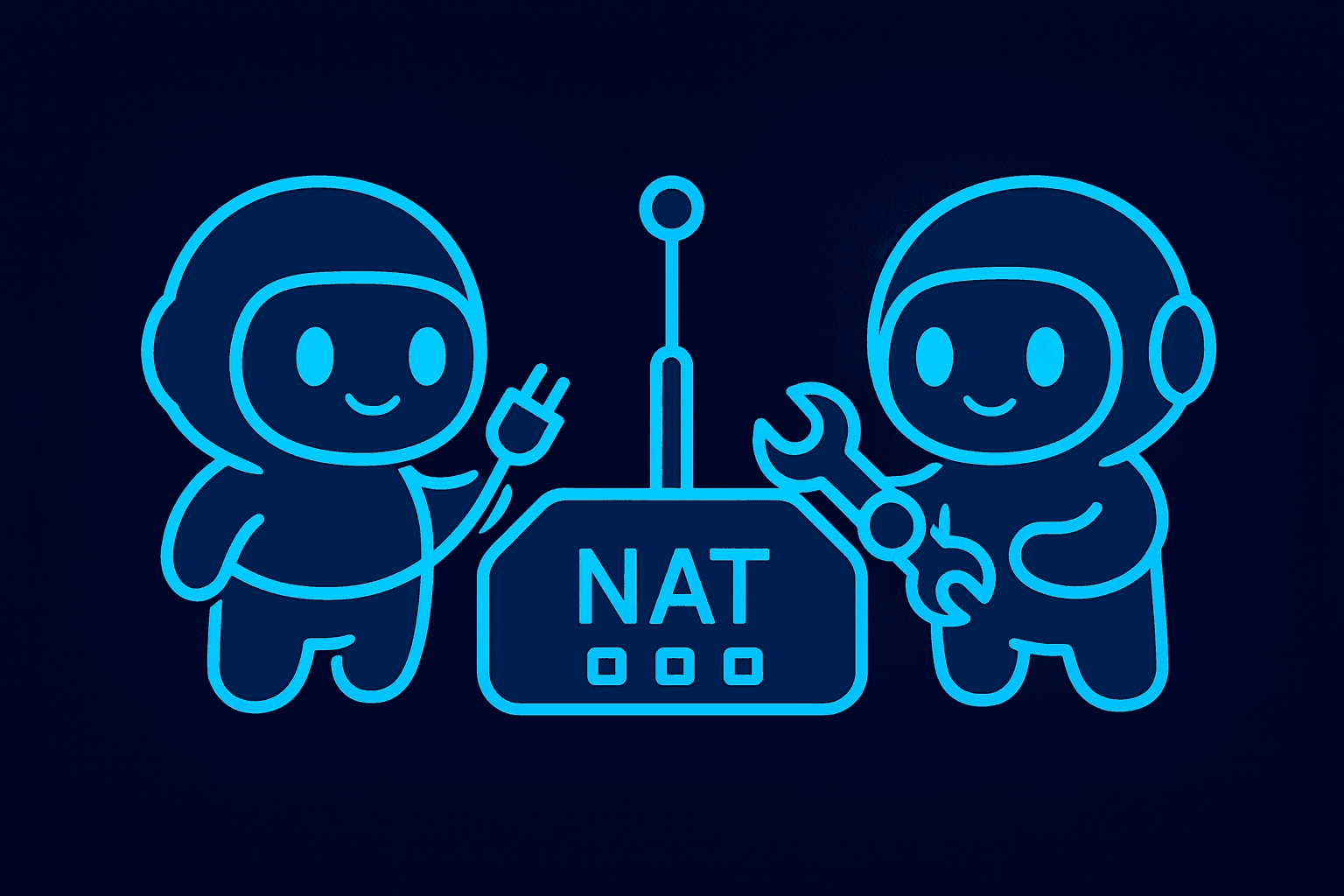
Self-Hosting a NAT Gateway: Benefits, Implementation, and Real-World Experience
The article advocates for self-hosting a NAT Gateway instead of using AWS's managed service, arguing that while it's considered unconvention
 awsistoohard.com·6mo ago
Optimizing Kubernetes Memory Usage: How We Saved 7 TiB by Disabling Namespace Listwatching in Vector
The article details how a team discovered and resolved a significant memory inefficiency in their Kubernetes infrastructure. By analyzing th
 render.com·7mo ago
How to Set Up an Apache Reverse Proxy for an Ecommerce Website
This article provides a comprehensive, start-to-finish guide on setting up an Apache reverse proxy specifically for ecommerce websites. It c
 blog.radwebhosting.com·2d ago