





















Renewable energy reliability improves as UK pushes Warm Homes Plan amid geopolitical tensions
By
Stephen McNair

Fresh out the oven, still warm. Top of the tray.
Summary
The article discusses the UK government's Warm Homes Plan aimed at improving home energy efficiency while reducing carbon emissions and fuel poverty. It highlights how geopolitical tensions (US-Iran war) have added urgency to energy independence. The piece focuses on encouraging developments in renewable energy technology, suggesting that challenges like intermittent supply (even on windless winter nights) are being progressively overcome, making constant renewable energy a realistic possibility.
Key quotes
· 5 pulledThe government's Warm Homes Plan aims to make homes warmer, cheaper to run and lower-carbon, while also tackling fuel poverty and cutting energy bills.
Quite apart from the climate implications, countries and individuals are seeking ways to become less dependent on imported oil and gas.
There are encouraging signs that some of the challenges of the transition to renewables are being overcome, even on windless winter nights.
Once installed, renewable energy is cheap, because the cost of fuel – sunlight and wind – is zero.
We need an energy supply that is clean, independent and sustainable.
You might also wanna read

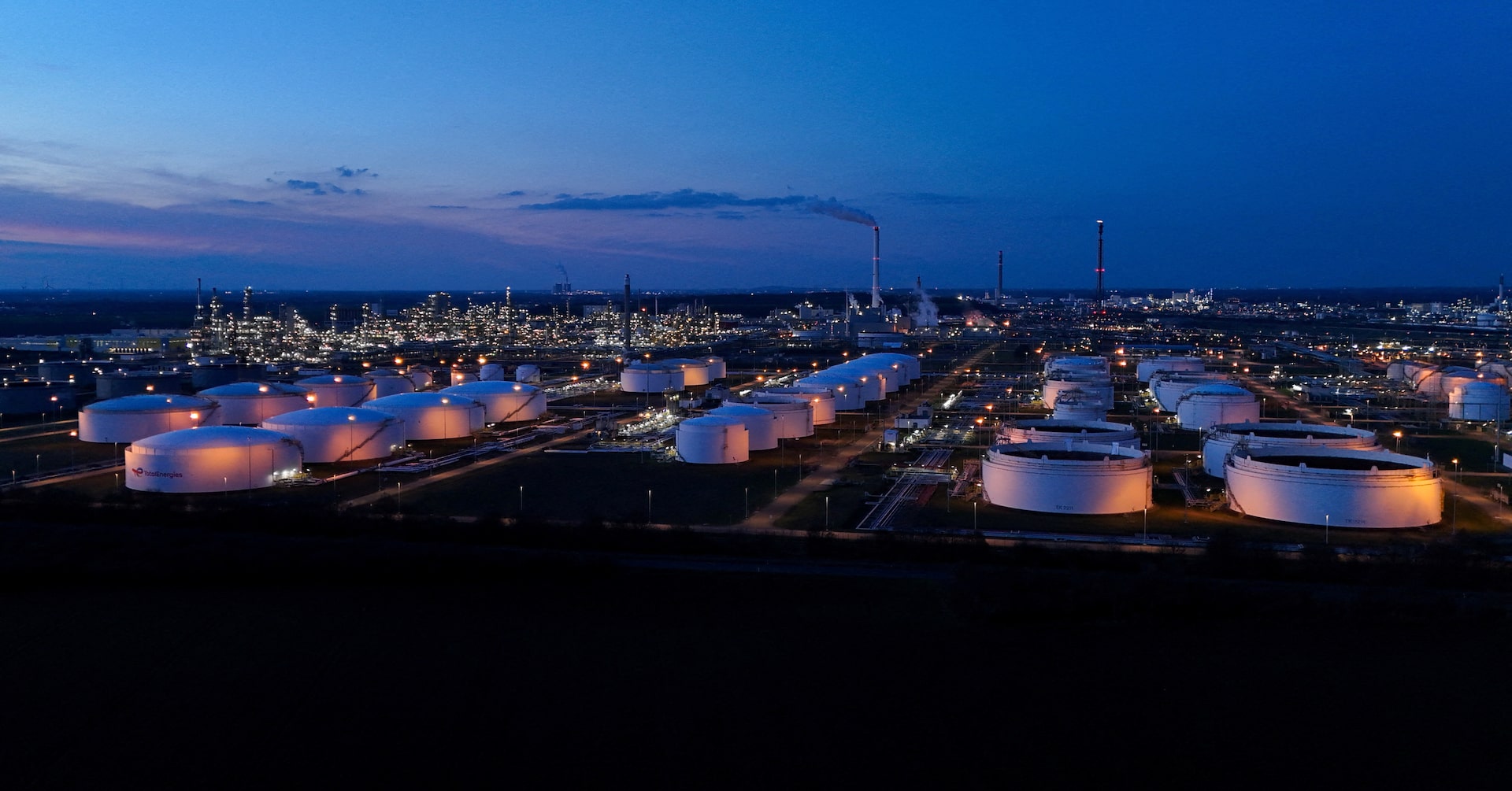
Iran War Energy Shock Drives Global Policy Shift Away from Fossil Fuel Dependence
The article discusses how the energy shock resulting from the Iran war has prompted global policymakers to reconsider strategies for reducin
 reuters.com·2mo ago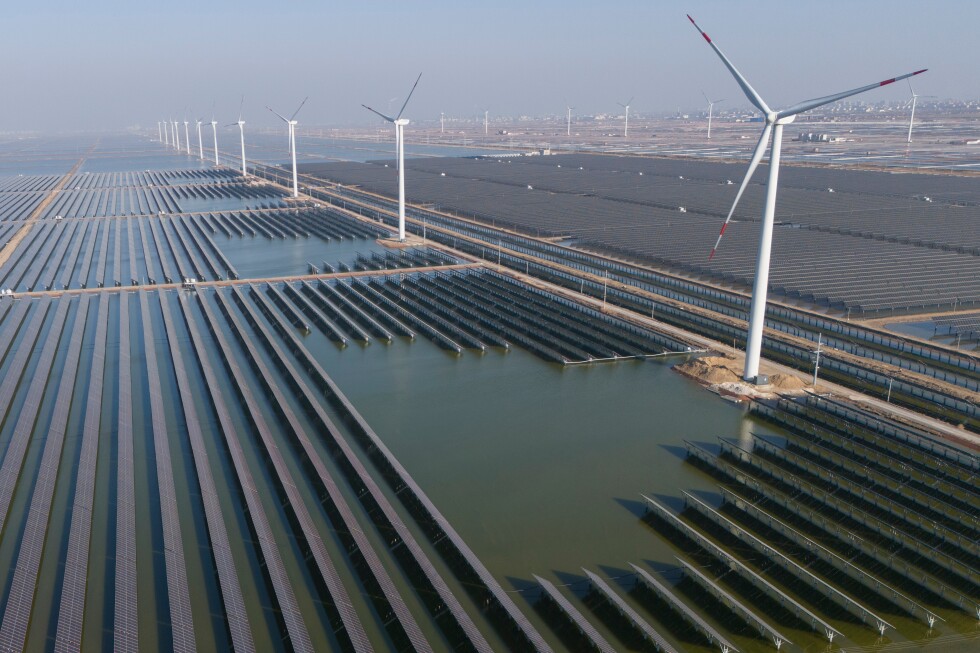
Iran Conflict Highlights Global Fossil Fuel Vulnerability, Renewables Urgency
The article discusses how the war in Iran is exposing global vulnerability to fossil fuel supply disruptions, particularly through the Strai
 apnews.com·2mo ago
UK Green Energy Claims vs Reality: How Renewable Electricity Tariffs Often Rely on Fossil Fuels
The article exposes a significant gap between green energy claims and reality in the UK electricity market. While many British consumers pay
 matched.energy·7mo ago