





















Comparing Approaches to LLM Tool Descriptions: Direct Tool Calls vs. Shell Command Integration
By
zerf

Slow-proofed and worth the wait. Worth its weight in flour.
Summary
The article discusses evolving industry practices in 2026 for structuring tool descriptions within LLM context windows. It compares two main approaches: providing top-level tools for fine-grained actions (like listing GitHub pull requests) versus informing models about useful shell commands they can invoke directly. Both approaches allow for reusable skills that guide models on performing useful work, with the key difference being whether models emit direct tool calls or exec_bash calls referencing CLIs.
Key quotes
· 5 pulledIndustry practice is divided on how to structure tool descriptions within the context window of an LLM.
One strategy is to provide top-level tools that perform fine grained actions (e.g. list pull requests in a GitHub repo).
Another increasingly popular strategy is to eschew new tools per se and to simply inform the model of useful shell commands it may invoke.
In both cases reusable skills can be defined that give the model tips on how to perform useful work with the tools.
The main difference is whether the model emits a direct tool call or instead an exec_bash call containing a reference to CLIs.
You might also wanna read


AI Integration in Software Development: How Claude Code and Agentic Workflows Are Transforming the Terminal into a Conversational Interface
The article discusses how AI is transforming software development by integrating large language models (LLMs) into development workflows, pa
 Prototypr·4mo ago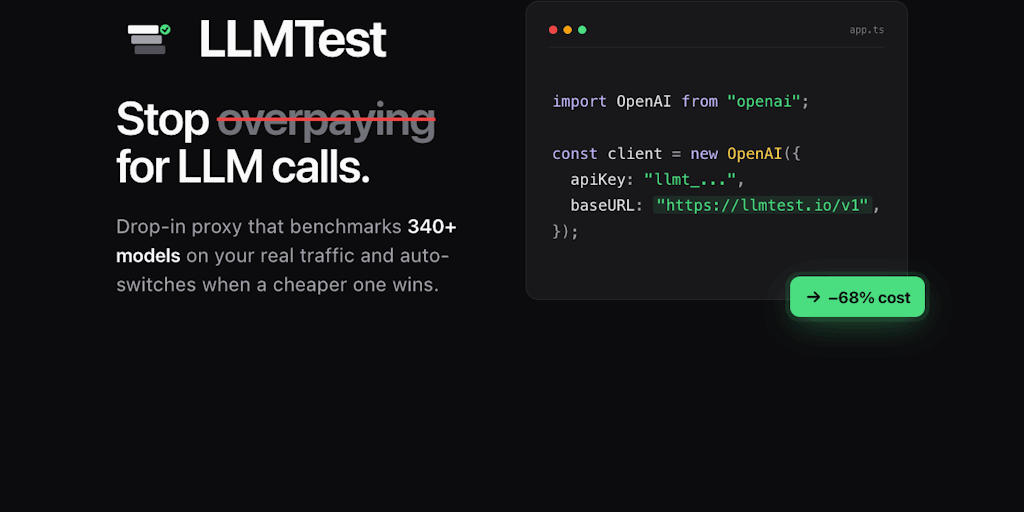
LLMTest: Automated LLM Model Selection and Fallback Tool for Developers
LLMTest is a tool created by maker Tom to help developers and "vibe coders" automatically select the best LLM models for AI-powered features
 Product Hunt·9d ago