





















Columbia University Tests AI Debate Program to Facilitate Student Discussions on Controversial Topics
By
Hayden Field

Pulled from the oven just right. Trustworthy, fact-dense, deeply satisfying.
Summary
Columbia University is testing an AI debate program called Sway that matches students with opposing views to facilitate discussions on controversial topics like abortion, racism, immigration, and Israel-Palestine. Developed by researchers with philosophy and psychology backgrounds, the tool aims to reduce campus tensions that have escalated over the past two years between students, administrators, and the federal government.
Key quotes
· 4 pulledCan AI help "smooth over" discussion on abortion, racism, immigration, or Israel-Palestine?
Sway matches up students with opposing views to chat one-on-one about hot-button issues
"facilitates better discussions between them," according to the tool's website
The news comes after more than two years of escalating tensions between students, administrators, and the federal government
You might also wanna read

The AI Backlash: Students and the Growing Resistance to Artificial Intelligence
This article discusses the growing backlash against AI, particularly among university students who feel that large language models have deva
 tickettailor.com·4h ago
A Professor's Moral Crisis: Teaching Integrity in the Age of AI
An academic professor reflects on the moral and existential crisis of teaching in the age of AI, drawing parallels to Arjuna's dilemma in th
 newyorkermag.visitlink.me·3d ago
Fake academic journals publish AI-generated papers under real professors' names
A network of fake academic journals has published over 100 AI-generated papers attributed to real professors without their knowledge. The fr
 nbcnews.com·4d ago
Columbia researcher's own paper nearly published with AI-hallucinated reference, highlighting growing academic integrity concern
A Columbia University associate professor, Maxim Topaz, who researches AI applications in healthcare, nearly published a scientific paper co
 fortune.com·4d ago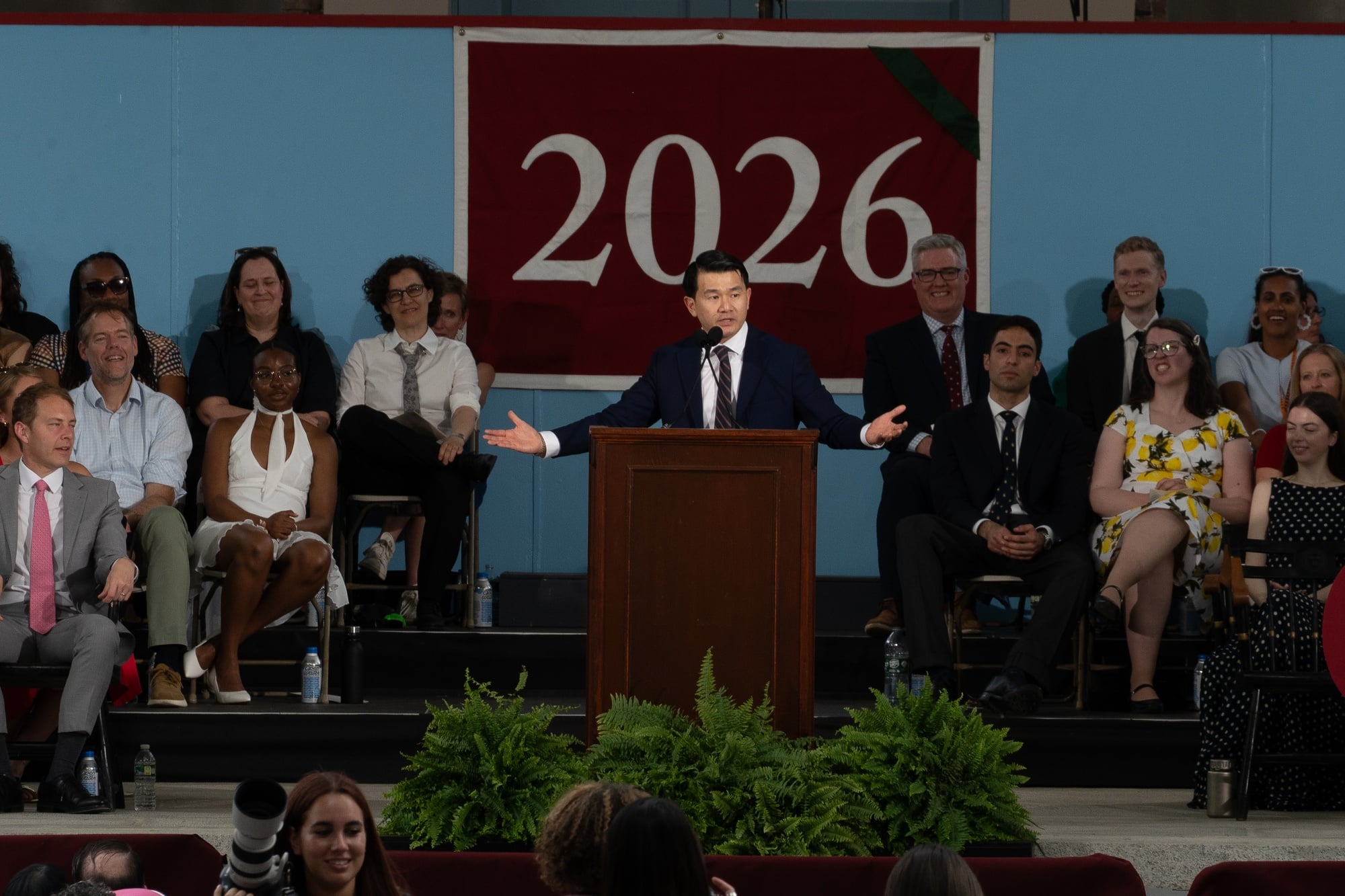
Chieng Warns Harvard Graduates Against Over-Reliance on AI in Profanity-Laced Class Day Address
In a Class Day address at Harvard, speaker Chieng issued a profanity-laced warning against over-reliance on artificial intelligence. He urge
 thecrimson.com·4d ago
AI research tools risk entrenching academic biases through the Matthew effect
This article examines how AI-powered academic research tools (like Google's Deep Research, Anthropic's Research, and OpenAI's deep research)
 blogs.lse.ac.uk·5d ago