





















Fort Wearable Brings Data-Driven Strength Training Tracking to the Gym
By
StartupHub.ai

Fresh out the oven, still warm. Top of the tray.
Summary
Fort is a YC W2026 wearable built by ex-Tesla engineers that addresses a gap in fitness tracking: while most wearables excel at tracking cardio (heart rate, steps, VO2 max), they fail at strength training. The article argues that after mid-thirties, muscle mass and strength are better predictors of longevity than aerobic fitness. Fort auto-detects strength exercises, counts reps, measures bar velocity, and estimates proximity to failure — making it the first wearable designed specifically for resistance training. The device aims to bring the same data-driven rigor to lifting that existing wearables bring to running and cycling.
Key quotes
· 4 pulledEvery wearable on the market tracks cardio. Heart rate. Calories. Steps. VO2 max if you're lucky.
After your mid-thirties, muscle mass and strength are better predictors of all-cause mortality than aerobic fitness.
Walk into any gym wearing a Garmin, Oura, or Whoop, start your deadlift set, and watch those devices shrug.
Fort wants to fix the thing every ser
You might also wanna read

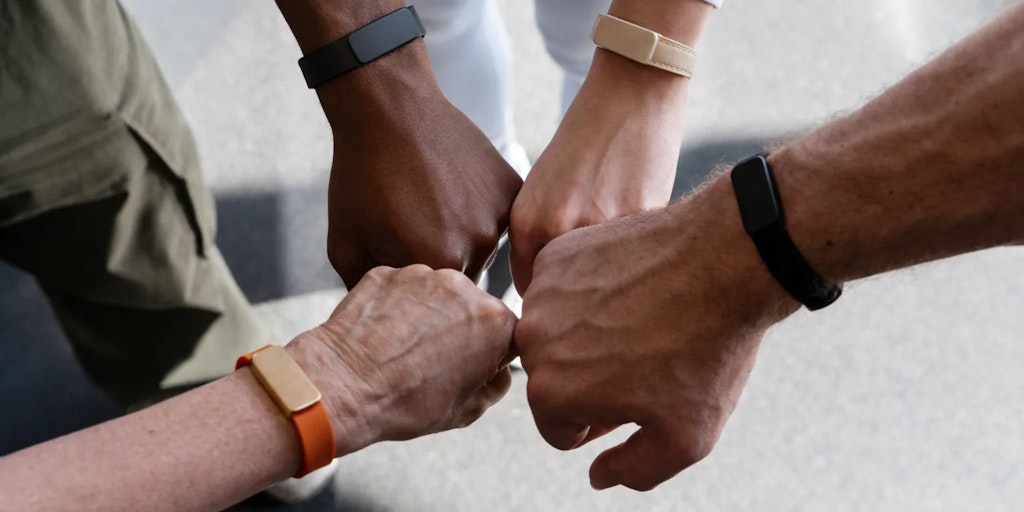
Fort Wearable: Automated Strength Training Tracker for Longevity-Focused Users
Fort is a wearable device designed to track strength training workouts automatically using heart rate and motion data, targeting users focus
 Product Hunt·3mo ago
Developer builds Obitrain to unify multi-device fitness tracking and custom calisthenics logging
A developer describes building a custom fitness tracking app called Obitrain to solve the problem of managing training data across multiple
 news.ycombinator.com·1mo ago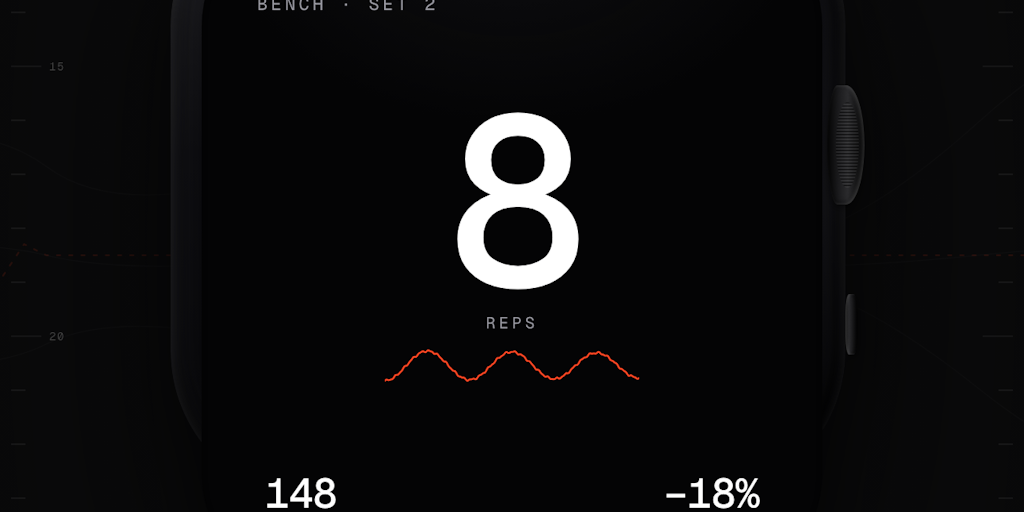
Riven App Uses Apple Watch to Track Muscle Failure During Workouts
Riven is a new app that turns the Apple Watch into a muscle failure tracker for gym-goers. It auto-detects exercises, counts reps hands-free
Product Hunt·2d ago
TrackFit: Machine Learning Fitness App for Calorie Prediction and Progress Tracking
TrackFit is a Streamlit-based web application that uses machine learning to predict calories burned during exercise. Users input personal me
Product Hunt·9mo ago
Foundation Models for Wearable Behavioral Data Improve Health Predictions
Researchers developed foundation models for behavioral data from wearable devices using over 2.5 billion hours of data from 162,000 individu
 arxiv.org·9mo ago
Understanding the Context Behind Wearable Sensor Data
The article discusses the potential of wearable devices like smartwatches and fitness trackers to capture extensive health data but highligh
 research.google·10mo ago