





















Study: Children aged 3-5 attribute intent to human eyes but not to robot gaze
By
ByEric RallsEarth.com staff writer

If you only eat one bagel today, this is the bagel.
Summary
A new study with Italian children aged 3-5 found that young children recognize social cues and intent in human eyes but do not attribute the same meaning to a robot's gaze. While children understand that a human looking at an object signals interest or intention, they treat a humanoid robot's gaze as meaningless, revealing a strict limit in early social cognition: the eyes must belong to a person, not a machine.
Key quotes
· 3 pulledChildren recognize human intent in eyes, but only if they belong to a person.
The eyes have to belong to a person, not a machine.
That tiny act of eye-reading is one of the first social skills a child develops.
You might also wanna read

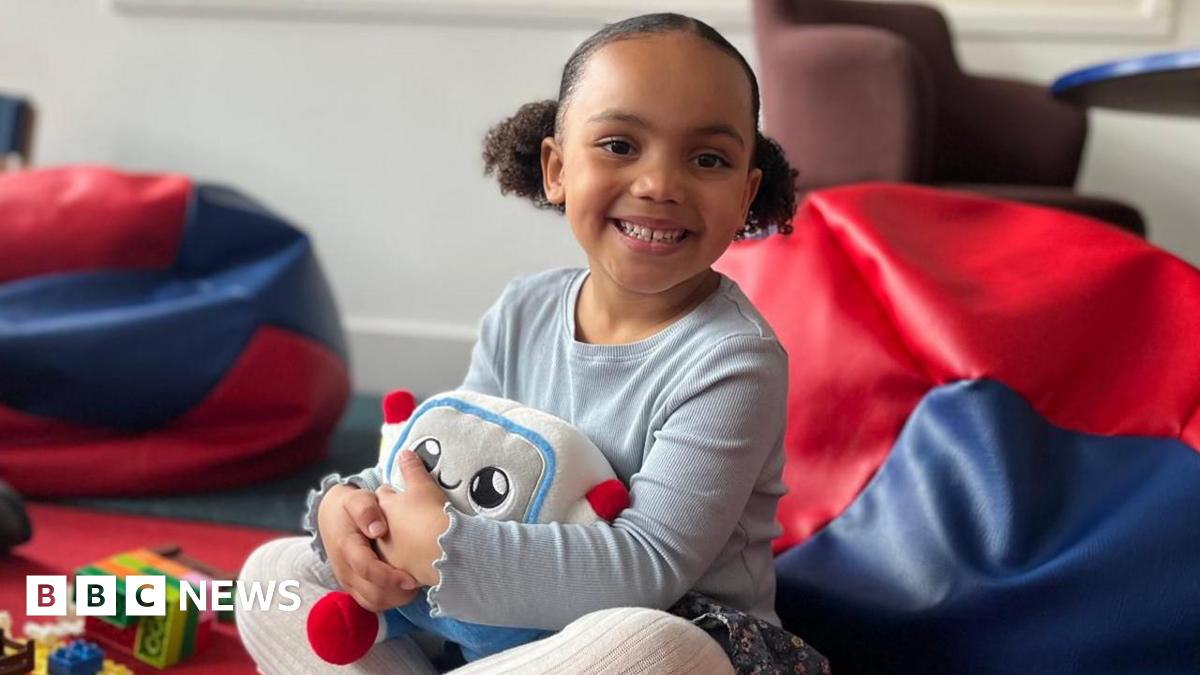
Study Finds AI Toys for Young Children Need Stricter Regulations Due to Interaction Limitations
Cambridge researchers conducted the first study of AI toys for young children, finding that current AI toys like Gabbo (which uses OpenAI's
 bbc.co.uk·2mo ago
The Problem with Anthropomorphizing AI: Why Human Metaphors Mislead Our Understanding
The article critiques the anthropomorphic metaphors used to understand AI systems like ChatGPT, arguing that our tendency to personify AI ac
 experimental-history.com·6mo ago
Object personification in autism: This paper will be sad if you don't read
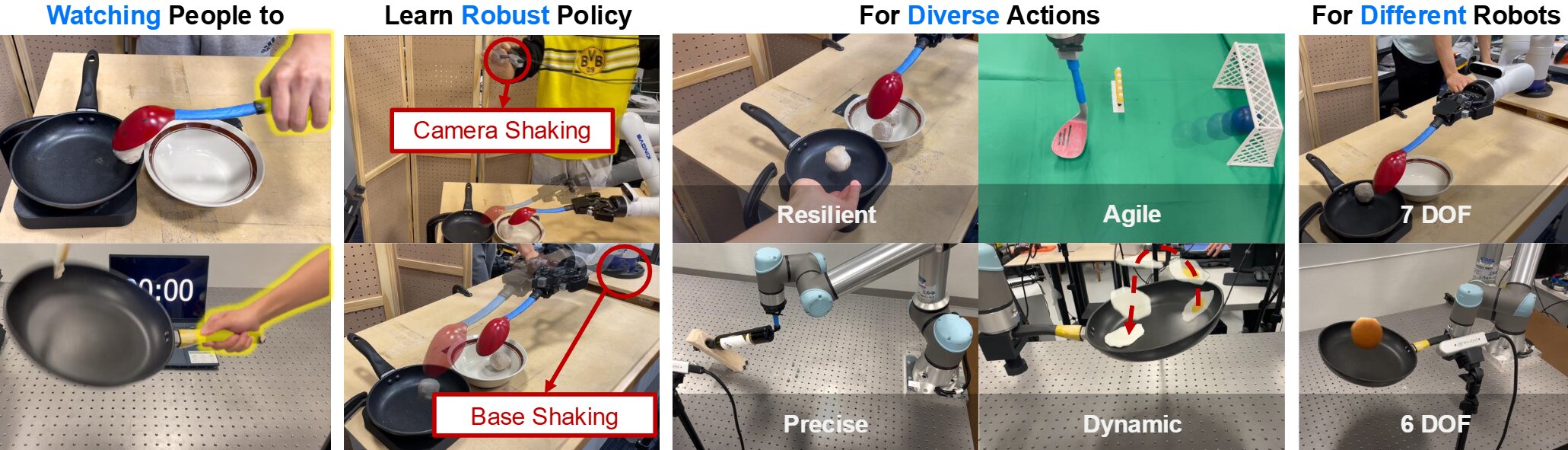
Robots Can Now Learn Tool Usage Through Video Observation
Researchers have developed a new approach that enables robots to learn tool usage by watching videos, similar to how children learn. This br
 techxplore.com·9mo ago
OpenAI and Anthropic Implement Age Detection Systems to Protect Underage Users
OpenAI and Anthropic are implementing new age detection systems to protect underage users. OpenAI has updated ChatGPT's Model Spec with four
 The Verge·5mo ago
Meta's AI Chatbots Allowed to Use Romantic Language with Minors, Report Reveals
Meta's internal policies reportedly allowed its AI chatbots to engage in romantic and sensual conversations with minors, including describin
The Verge·9mo ago