





















Building Scalable Agent Infrastructure: From AWS Lambda to Unikraft Micro-VMs
By
gregpr07

Sesame, salt, and substance. A flagship bake.
Summary
Browser Use shares their technical journey from running web agents on AWS Lambda to developing a more robust infrastructure using Unikraft micro-VMs with a control plane architecture. The article details their evolution from browser-only agents to adding code execution capabilities, addressing challenges with agent isolation, scalability, and security. They explain how moving from a Lambda-based approach to micro-VMs solved problems with agent reliability during deployments and performance issues when memory-hungry agents affected API performance.
Key quotes
· 4 pulledWe run millions of web agents at Browser Use. We started with browser-only agents on AWS Lambda, where each invocation is isolated, scaling is instant, and there are no secrets to worry about.
Then we added code execution. Agents could write and run Python, execute shell commands, create files. We built this as an isolated sandbox the agent called as a tool.
But the agent loop still ran on the same backend as our REST API. Redeploy? All running agents die. Memory-hungry agent? The API slows down.
Security was fine: the code ran in the sandbox, not on the backend.
You might also wanna read

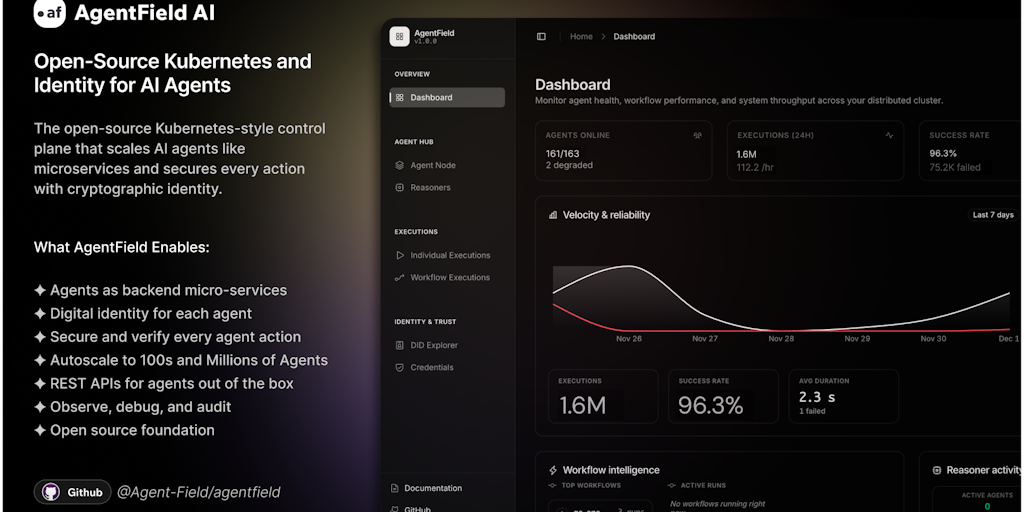
Agentfield: Open-Source Control Plane for Deploying AI Agents as Microservices with Zero-Trust Security
Agentfield is an open-source control plane for deploying AI agents as distributed microservices. It combines Kubernetes-style agent executio
 Product Hunt·5mo ago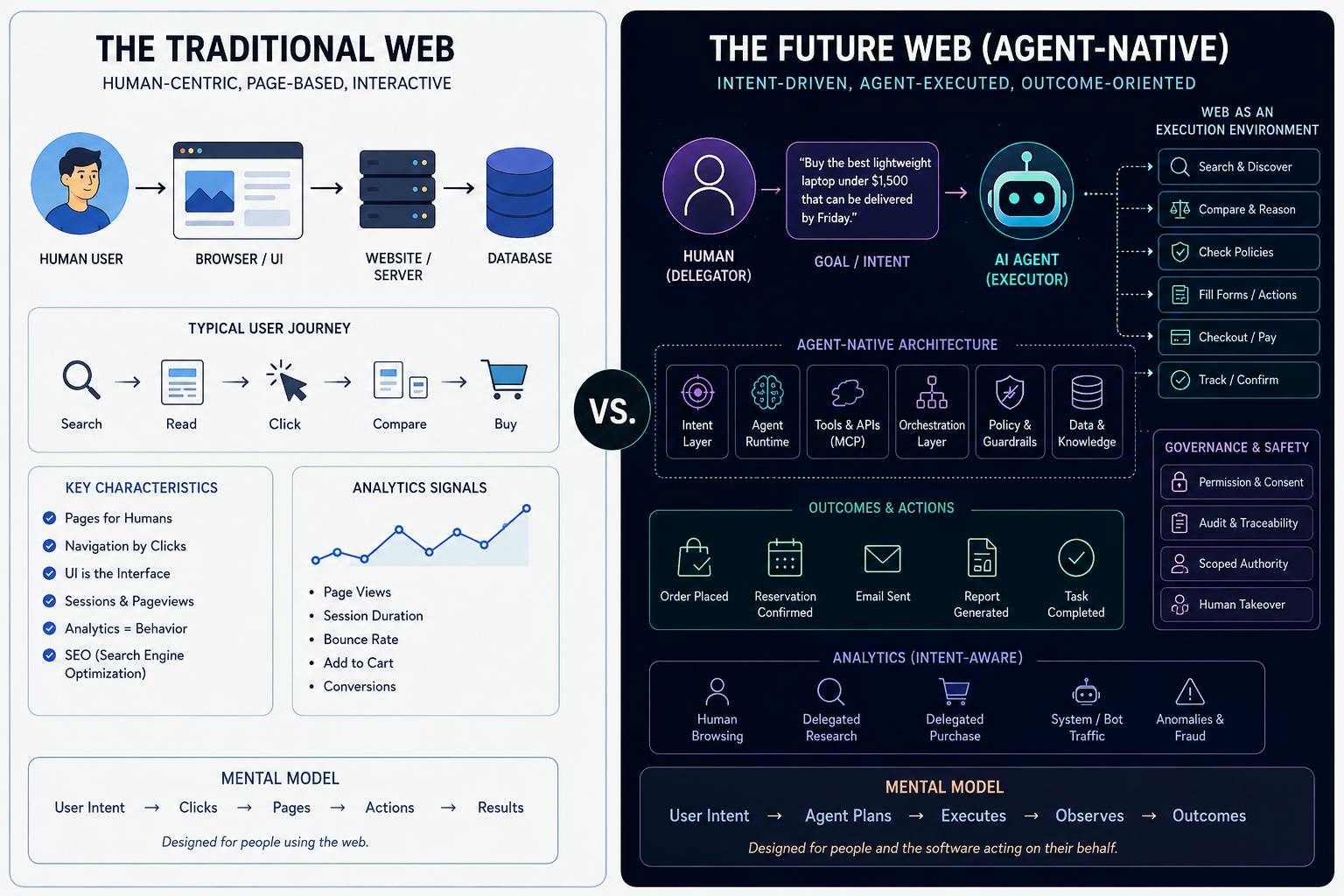
The Web's Shift to Agent-Native Architecture: Why Most Teams Are Unprepared
The article discusses the paradigm shift from traditional human-driven web browsing to an "agent-native" web ecosystem where AI systems auto
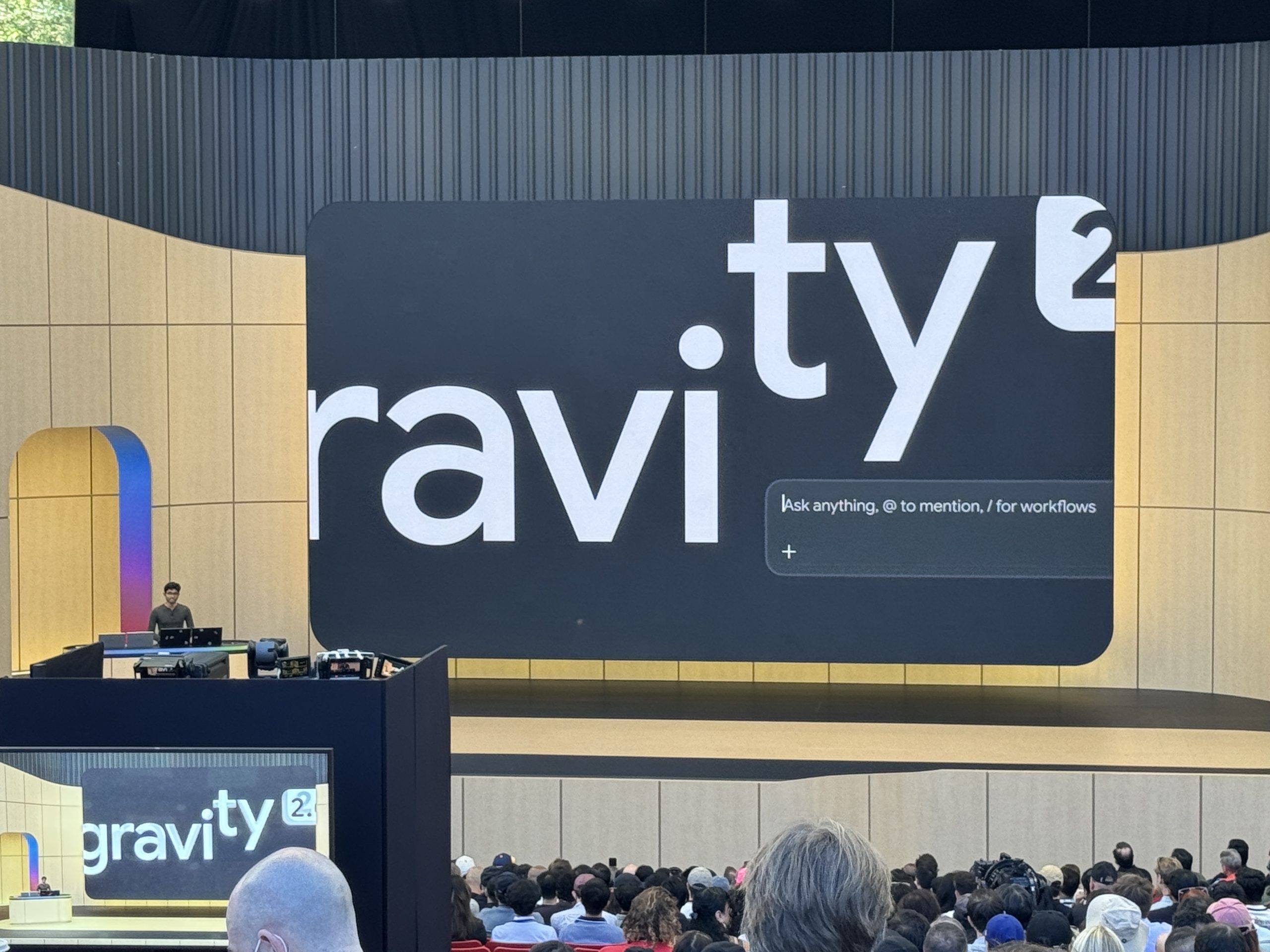
Google enters AI agent platform race with Antigravity, as runtime differentiation fades
Google repositioned Antigravity as a platform for developing and managing teams of autonomous AI agents at its I/O conference. The platform
 bit.ly·4d ago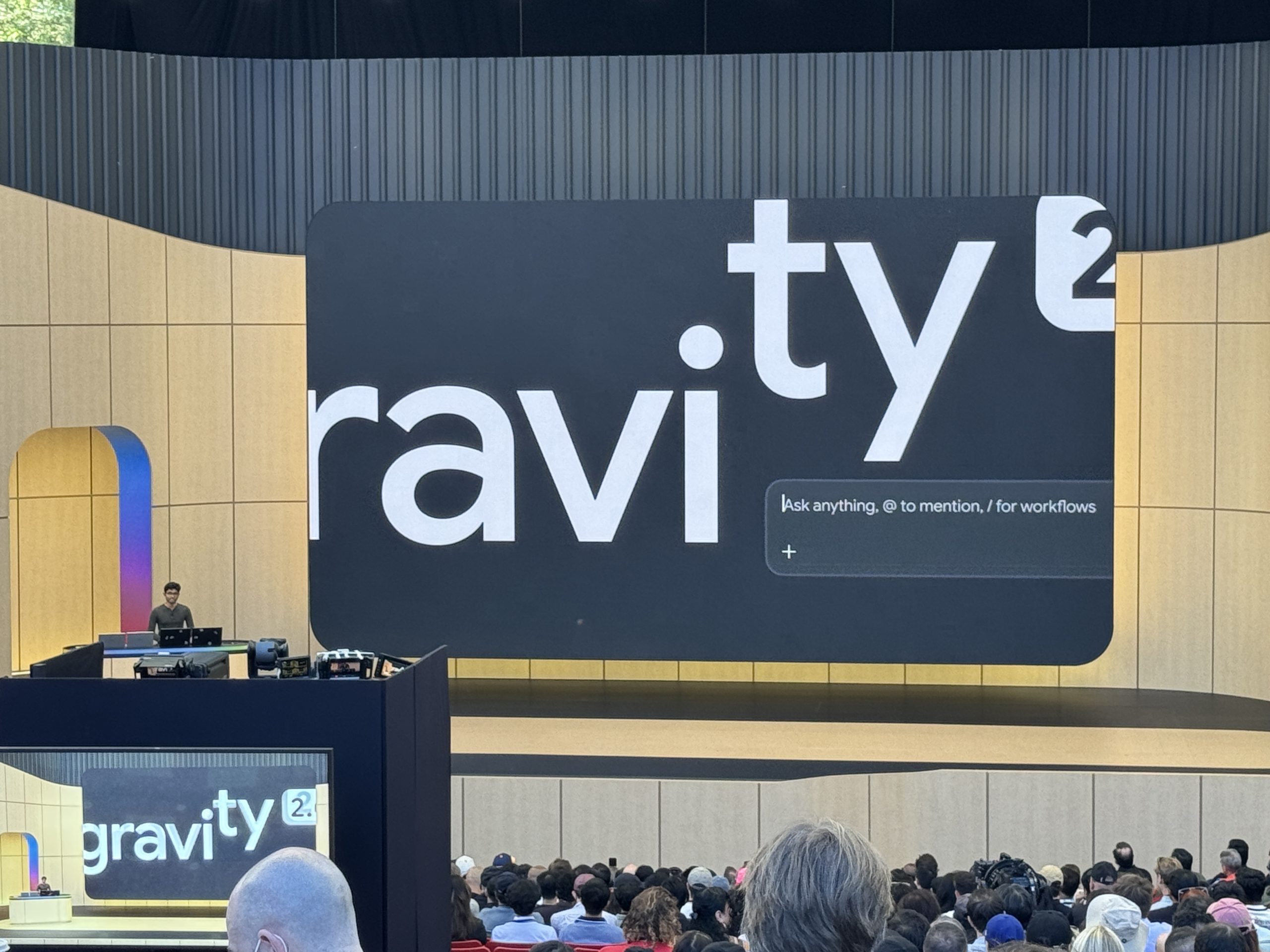
Google enters AI agent runtime race as the infrastructure layer becomes commoditized
Google repositioned Antigravity as a platform for developing and managing teams of autonomous AI agents at its I/O conference. The platform
bit.ly·10h ago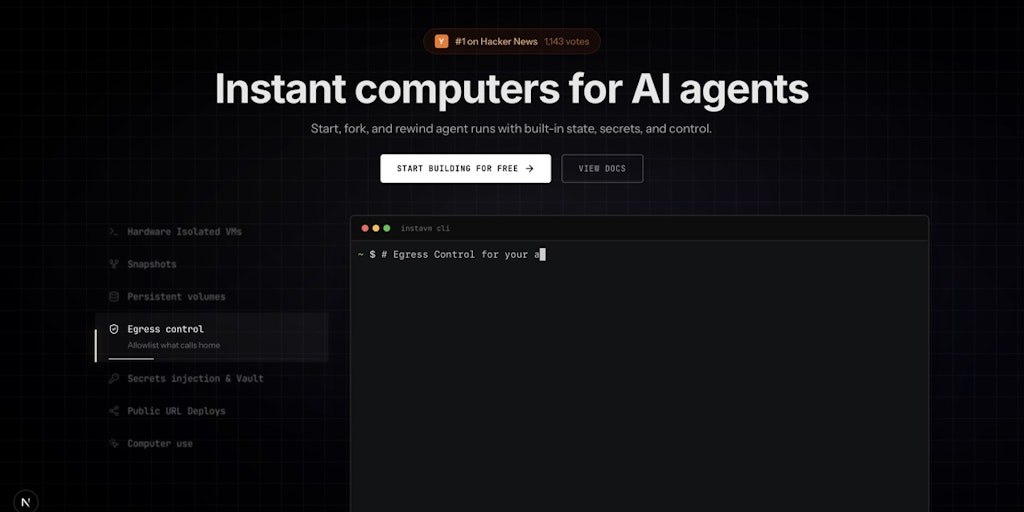
InstaVM: Hardware-Isolated Cloud Infrastructure for AI Agents with Sub-200ms MicroVMs
InstaVM is a cloud infrastructure platform designed specifically for AI agents, providing them with isolated, fast-booting virtual machines
Product Hunt·11d ago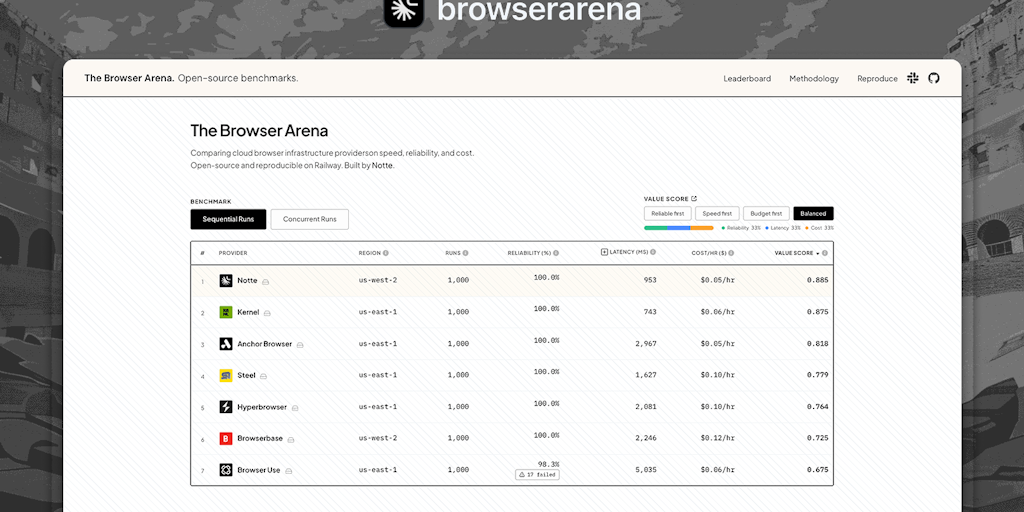
Notte Launches Platform for Building and Deploying Enterprise Browser Agents at Scale
Notte has launched its 4th product, a platform for building and deploying enterprise-grade browser agents at scale. The platform offers mana
Product Hunt·1mo ago