





















Brexit fails to meet voter expectations as public opinion shifts a decade on
By
John Curtice

Sesame, salt, and substance. A flagship bake.
Summary
Analysis of public opinion on Brexit a decade after the 2016 EU referendum. Drawing on over 500 polls, the article examines whether the narrow 2016 majority has held up over time, whether leaving the EU has met voter expectations, and whether voters now regret their choice. The piece suggests Brexit has failed to live up to expectations and that many voters would now vote differently if given another chance.
Key quotes
· 3 pulledGiven the narrowness of the outcome of the 2016 EU referendum, we might wonder how successful it has been in identifying a 'settled will' of the population.
Perhaps the narrow majority in favour of Brexit has failed to withstand the test of time?
Over 500 polls have asked people since June 2016 how they would vote if there were another referendum.
You might also wanna read

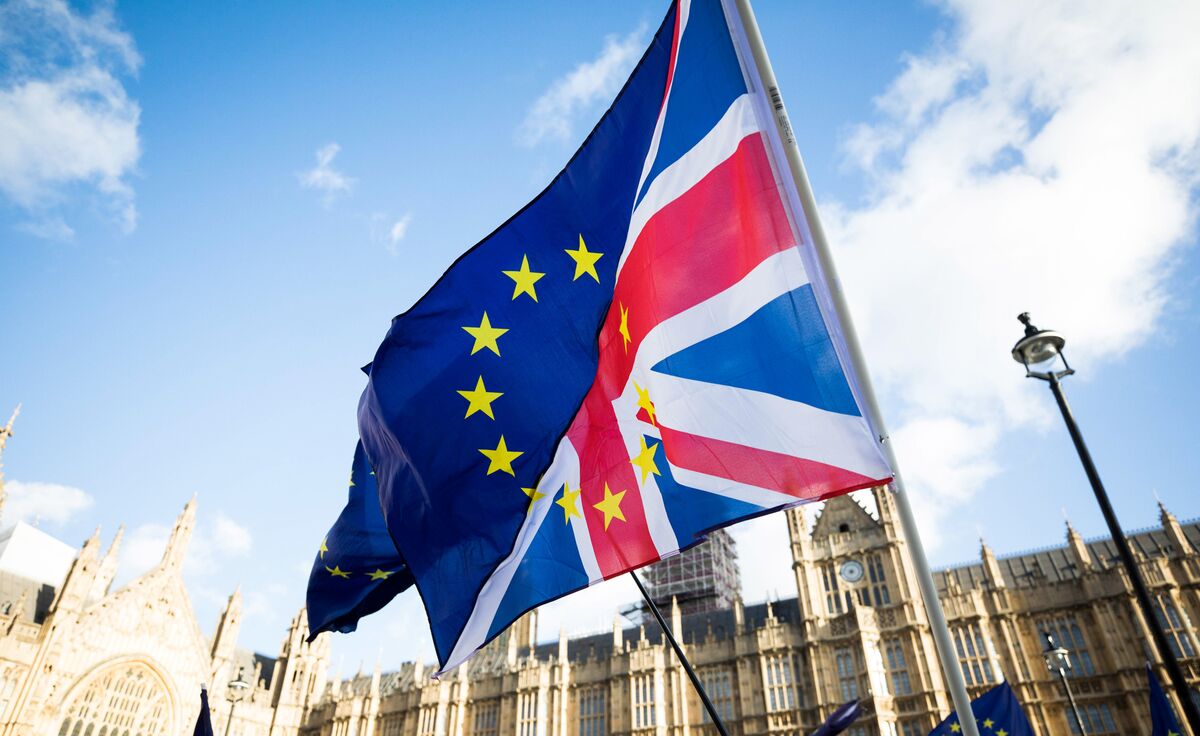
Ipsos Poll: 52% of Britons Now Support Rejoining the EU, Reversing 2016 Brexit Result
A new Ipsos poll of 1,137 British adults shows that 52% of Britons now think the UK should rejoin the European Union, reversing the 2016 Bre
 bloomberg.com·2d ago
Poll: 83% of UK 16-24 Year Olds Would Vote to Rejoin EU in New Referendum
A new poll conducted by Savanta for ITV's Peston programme reveals that 83% of 16 to 24-year-olds in the UK would vote to rejoin the EU in a
 itv.com·3mo ago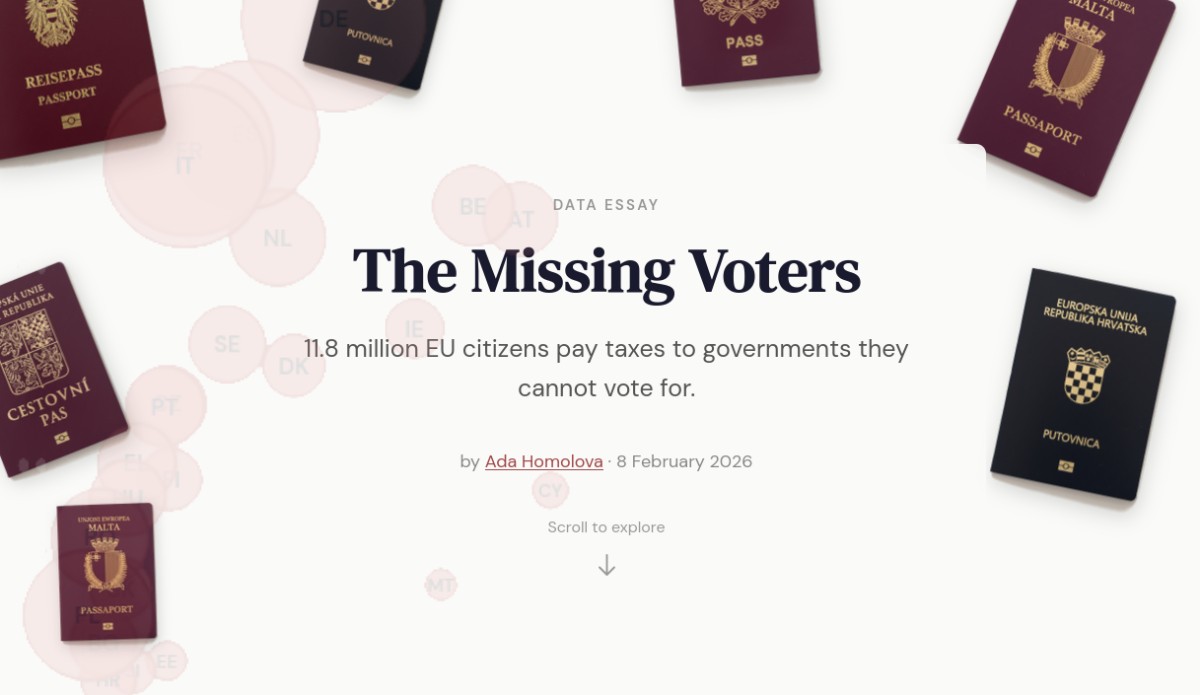
11.8 Million EU Citizens Disenfranchised from National Elections Despite Paying Taxes
This data essay examines the political disenfranchisement of 11.8 million EU citizens who live and work in other EU countries but cannot vot
 homolova.sk·3mo ago
YouGov Study: European Public Opinion on Social Media Regulation Across 7 EU Countries
A YouGov study across seven EU countries (France, Germany, Italy, Netherlands, Poland, Romania, Spain) reveals varying public attitudes towa
 yougov.co.uk·5mo ago
WSJ-NORC Poll Shows Americans Losing Faith in Economic Mobility Despite Strong Economic Indicators
A Wall Street Journal-NORC poll reveals that Americans are losing faith in the American Dream, with economic pessimism growing despite tradi
 wsj.com·9mo ago