





















Biometric Authentication vs. Passcodes: Legal Privacy Concerns and 5th Amendment Protection
By
speckx

If you only eat one bagel today, this is the bagel.
Summary
The article argues against using biometric authentication methods like Face ID and fingerprint scanning due to privacy and legal concerns. It explains that while biometric locks are convenient, law enforcement can legally compel individuals to use biometric data to unlock devices under a 5th Amendment loophole, whereas they cannot force someone to provide a password or passcode. The article cites a real-world example where the FBI was unable to access a reporter's iPhone because it was in Lockdown Mode with a passcode, highlighting the stronger legal protection of traditional password-based security.
Key quotes
· 4 pulledThanks to a 5th Amendment loophole, law enforcement can compel you to use biometric data to unlock your devices, but they can't force you to give them a password or passcode.
Using tools like Face ID or fingerprint unlocking to get into your phone and log in to accounts is convenient, but it's not the best option if you're concerned about your privacy.
But law enforcement can bypass them more easily than a traditional passcode or password.
According to court records obtained by 404 Media, agents were unable to access the reporter's iPhone because it was in Lockdown Mode.
You might also wanna read

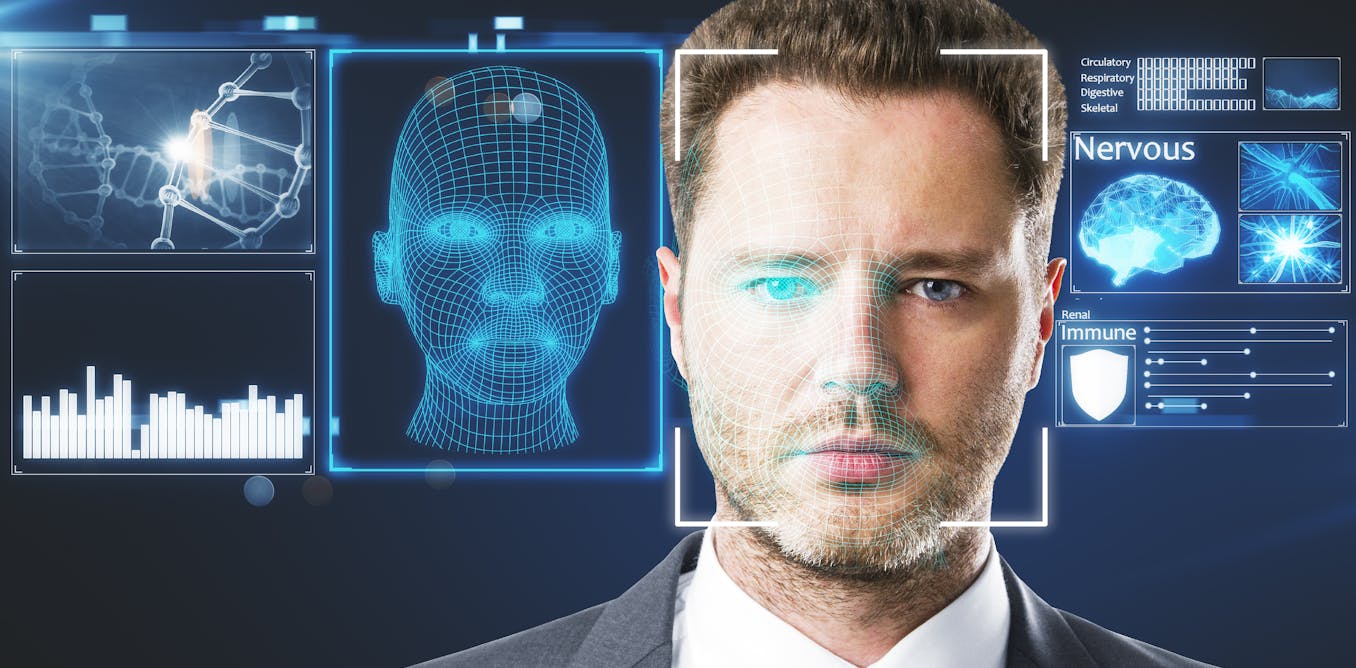
Biometric technology: Balancing convenience with security and privacy risks
This article examines the growing integration of biometric technology into daily life, covering both physiological (fingerprints, faces, iri
 theconversation.com·1d ago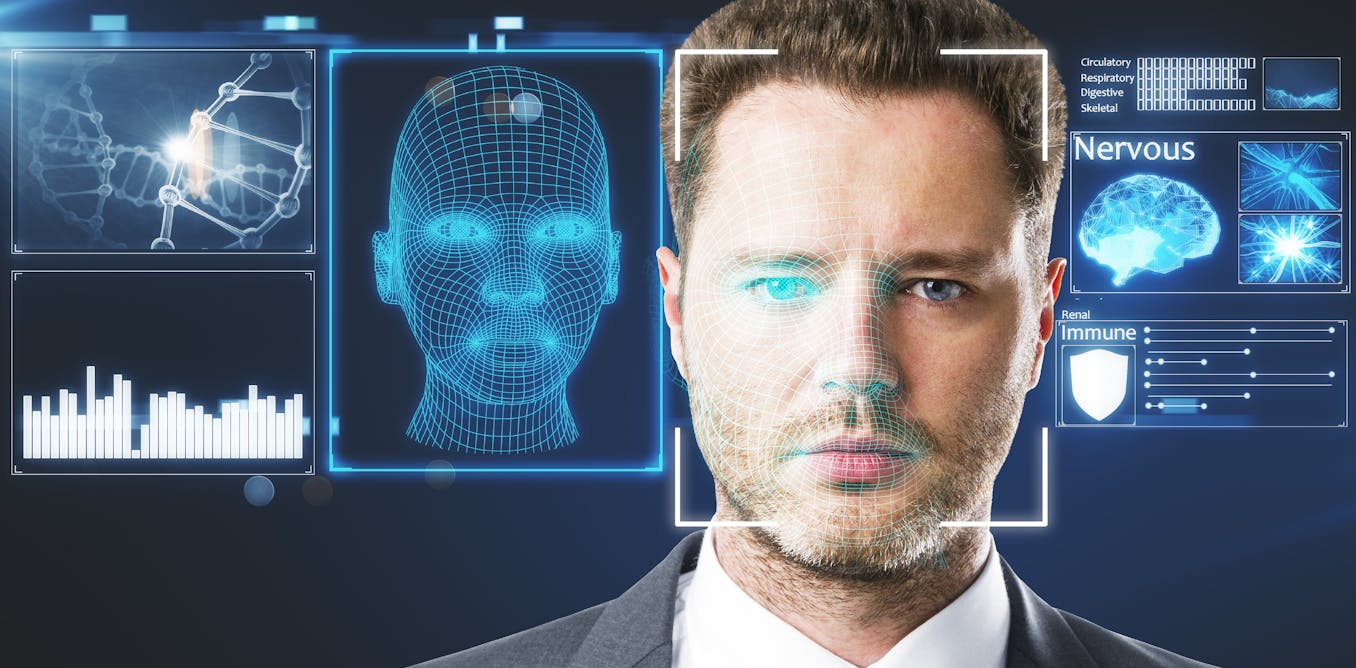
Biometric technology: Convenience vs. security risks in fingerprint, facial, and gait recognition
This article examines the growing integration of biometric technology into daily life, covering both physiological (fingerprints, faces, iri
share.google·5d ago
Biometric vendors urged to disclose responsible data use practices and protect individual rights
John E. Bredehoft examines how biometric vendors should responsibly handle biometric data they collect from individuals. The article discuss
 biometricupdate.com·5d ago