





















EV battery design creates accessibility barriers for wheelchair users and people with disabilities
By
Dr Claire Malone

Hot, fresh, and worth queueing round the block for.
Summary
This article examines the accessibility challenges posed by electric vehicle (EV) design, particularly for wheelchair users and people with disabilities. It highlights how the shift to EVs prioritizes battery placement (typically in the vehicle floor) over passenger accessibility, creating higher floors, awkward entry angles, and limited space for adaptations. The article explores design solutions being developed, such as swivel seats, ramps, and adjustable suspension, but argues that the automotive industry has largely overlooked accessibility in the EV transition. It calls for inclusive design principles to be integrated from the start rather than retrofitted.
Key quotes
· 4 pulledImagine buying a new car and being told that you must travel in the luggage area.
The switch to electric vehicles comes with many challenges: one yet to be properly met is accessibility.
Battery first, people second: The accessibility cost of EV design
So is there a design solution for wheelchair users?
You might also wanna read


Why Many EV Design Choices Are a Step Backward for Drivers
This article critiques modern electric vehicle (EV) design choices, arguing that automakers are abandoning well-established, functional auto
 hypercritical.co·11d ago
Accessibility Features Are Widely Used Beyond Traditional Disability Contexts
The article challenges the common misconception that accessibility features are only for people with permanent disabilities. It argues that
 protovate.com·3mo ago
Tesla's Electronic Door Handles Raise Safety Concerns as Musk Overrules Engineers
The article criticizes Elon Musk's leadership at Tesla, focusing on his decision to implement electronic door handles controlled by touchscr
 planetearthandbeyond.co·4mo ago
Tesla Investigates Door Handle Redesign After Reports of Trapped Passengers
Tesla is investigating a redesign of its car door handles following multiple incidents where passengers were trapped in vehicles during emer
 cnn.com·8mo ago
CAPTCHA Accessibility Challenges: How Authentication Methods Exclude People With Disabilities
The article examines how CAPTCHA authentication methods, designed to distinguish humans from bots, often create significant accessibility ba
 Smashing Magazine·6mo ago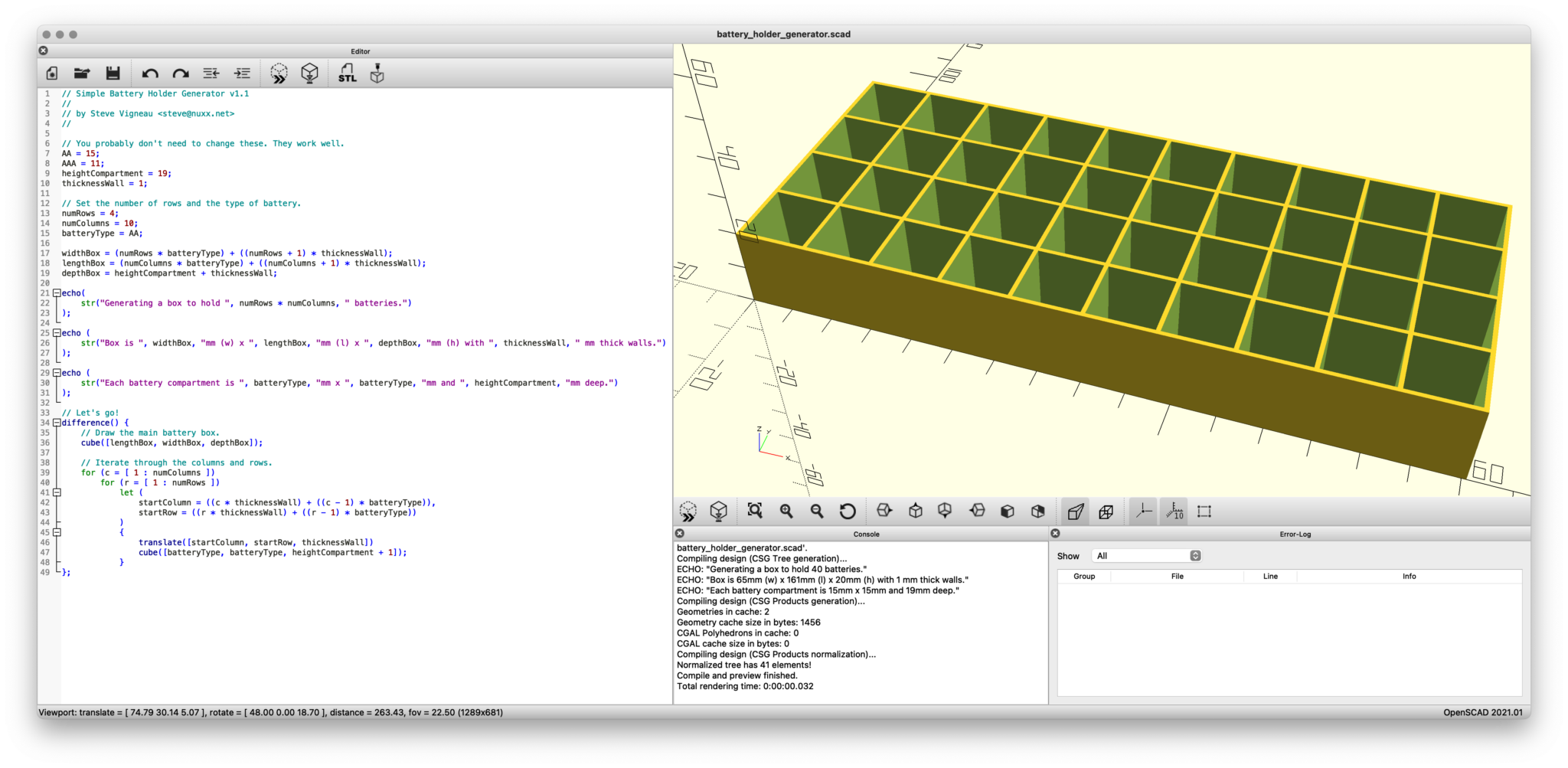
Learning OpenSCAD Through Battery Holder Design: A Code-Based CAD Experience
The article describes the author's experience learning OpenSCAD by reimplementing a battery holder design originally created in Autodesk Fus