





















CQC outlines regulatory approach to artificial intelligence in health and social care

Master baker tier. Every paragraph earns its place on the tray.
Summary
The Care Quality Commission (CQC), England's independent regulator of health and social care, outlines its role, expectations, and plans regarding the increasing use of artificial intelligence (AI) in health and social care settings. The article discusses both the enormous opportunities AI presents (more effective and efficient services) and the associated risks. It explains how CQC's regulatory work ensures AI contributes to safe, equitable, and person-centred care, and references high-level principles for the good use of AI in this sector.
Key quotes
· 3 pulledWe encourage the use of innovative technologies, including AI, where the technology benefits people and results in more effective and efficient services.
AI presents enormous opportunities, though not without risks.
We have outlined some of the benefits and risks of AI and set out how CQC's regulatory work has a role in ensuring AI contributes to safe, equitable and person-centred care.
You might also wanna read

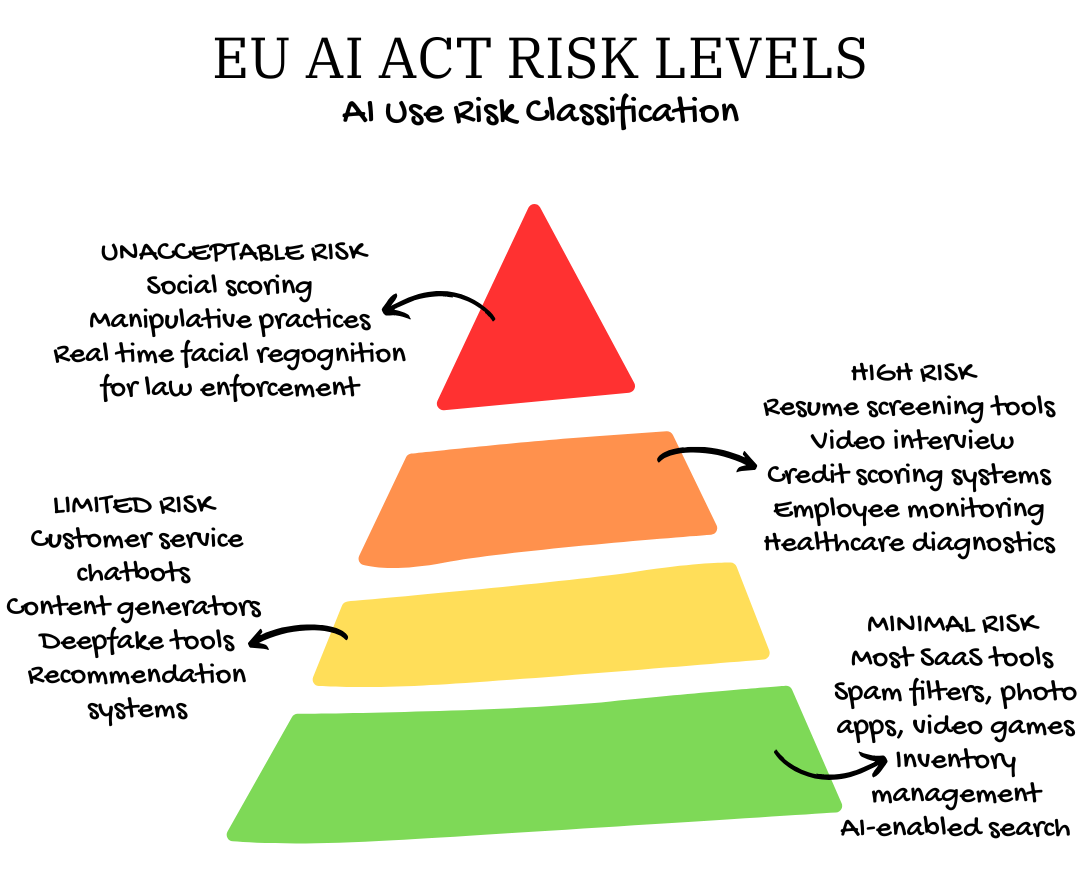
EU AI Act Compliance: Understanding High-Risk AI Applications and Regulatory Requirements
The article explains how the EU's AI Act classifies over 50 types of AI applications as "high-risk," including those used for hiring, custom
 medium.com·5mo ago
CERN Establishes Ethical AI Principles for Scientific Research and Operations
CERN has established general principles for the responsible and ethical use of artificial intelligence across all its activities. The princi
 home.web.cern.ch·6mo ago