





















Researchers Train Robots to Read Human Emotions Using Context and Facial Expressions
By
Michelle Hampson

A baker's-dozen of insight crammed into one ring.
Summary
Researchers trained collaborative robots to read human emotions by considering both facial expressions and contextual factors in interactions. In experiments with 40 volunteers, the study explored how robots' emotional capabilities need to advance for successful human-robot collaboration. The approach uses vision language models to help robots better understand and respond to human emotional states in workplace settings.
Key quotes
· 2 pulledAs robots advance in terms of dexterity and other physical capabilities, it becomes more likely that humans may find themselves working alongside them.
Researchers trained collaborative robots to read human emotions by not only accounting for facial expressions, but also contextual factors in the interactions as well.
You might also wanna read

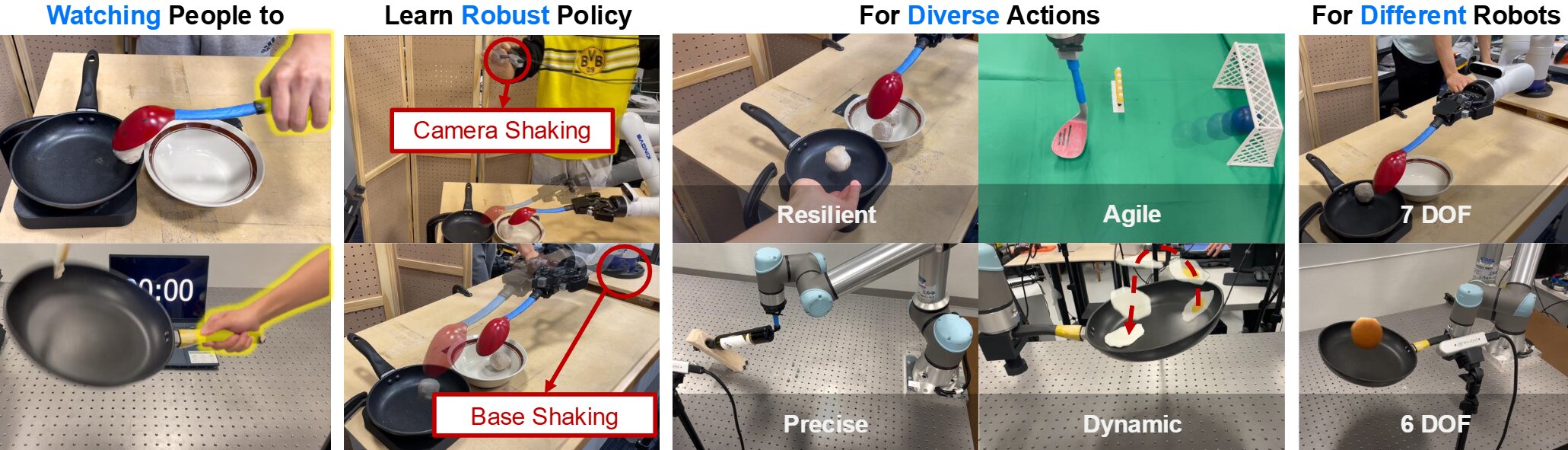
Robots Can Now Learn Tool Usage Through Video Observation
Researchers have developed a new approach that enables robots to learn tool usage by watching videos, similar to how children learn. This br
 techxplore.com·9mo ago
Study Examines Users Forming Deep Emotional Attachments and Marriage-Like Bonds with AI Chatbots
A new study published in Computers in Human Behavior: Artificial Humans examines how users form deep emotional attachments to AI chatbots, e
 psypost.org·7mo ago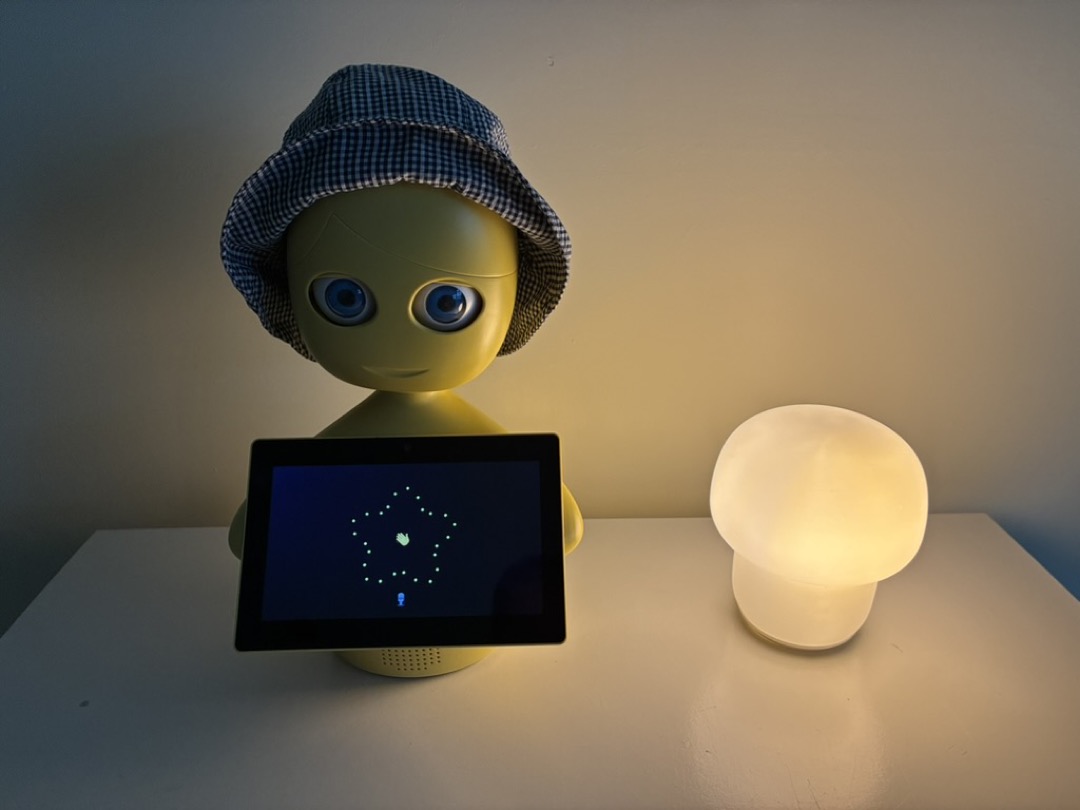
Personal Experience with an AI-Powered Home Robot: Reflections on Privacy and Human-AI Interaction
The author shares their personal experience with Mabu, an AI-powered robot placed in their home that functions as a smart speaker. The artic

Challenges in Applying Language Models to Robotics
The article discusses the limitations of language models in robotics despite advancements in AI, highlighting the challenges in translating
ksagar.bearblog.dev·11mo ago
AI Chatbots May Standardize Human Expression and Reduce Cognitive Diversity, Study Warns
A study led by USC researchers warns that AI chatbots and large language models are standardizing human expression, potentially reducing cog
 dornsife.usc.edu·2mo ago
The Importance of Expressiveness in Future Robotics
The article discusses the need for future robots to be expressive in order to effectively communicate internal states and make interactions
matthieulc.com·11mo ago