





















Appian CEO predicts end of subsidized AI as OpenAI and Anthropic IPOs approach
By
Brandon Evans

Toasted to a respectable shade. No regrets, no crumbs left.
Summary
Appian CEO Matt Calkins warns that the era of subsidized artificial intelligence is ending soon, as major AI providers like OpenAI and Anthropic approach their IPOs. He suggests that token prices for AI services are likely to rise as these companies shift from subsidized pricing models to profit-driven strategies. The article highlights the impending financial shift in the AI industry as providers move toward monetization.
Key quotes
· 2 pulledWe are in the era of subsidies for AI
the days of artificial intelligence usage being subsidized by providers are coming to an end, and soon
You might also wanna read


AI Industry Faces Profitability Pressure as Anthropic and OpenAI Approach IPOs
The article discusses the AI industry's urgent need to achieve profitability, focusing on Anthropic and OpenAI as key examples. These compan
 The Verge·1mo ago
AI pricing subsidy era ends as inference costs rise instead of falling
The article discusses the end of the "AI subsidy era" where companies offered AI features at flat-rate or low prices based on the assumption
 arnon.dk·9d ago
Anthropic Reportedly Preparing for Potential 2026 IPO to Compete with OpenAI
Anthropic, the AI company behind Claude chatbot, has reportedly begun preparations for a potential IPO as early as 2026, positioning itself
 vechron.com·5mo ago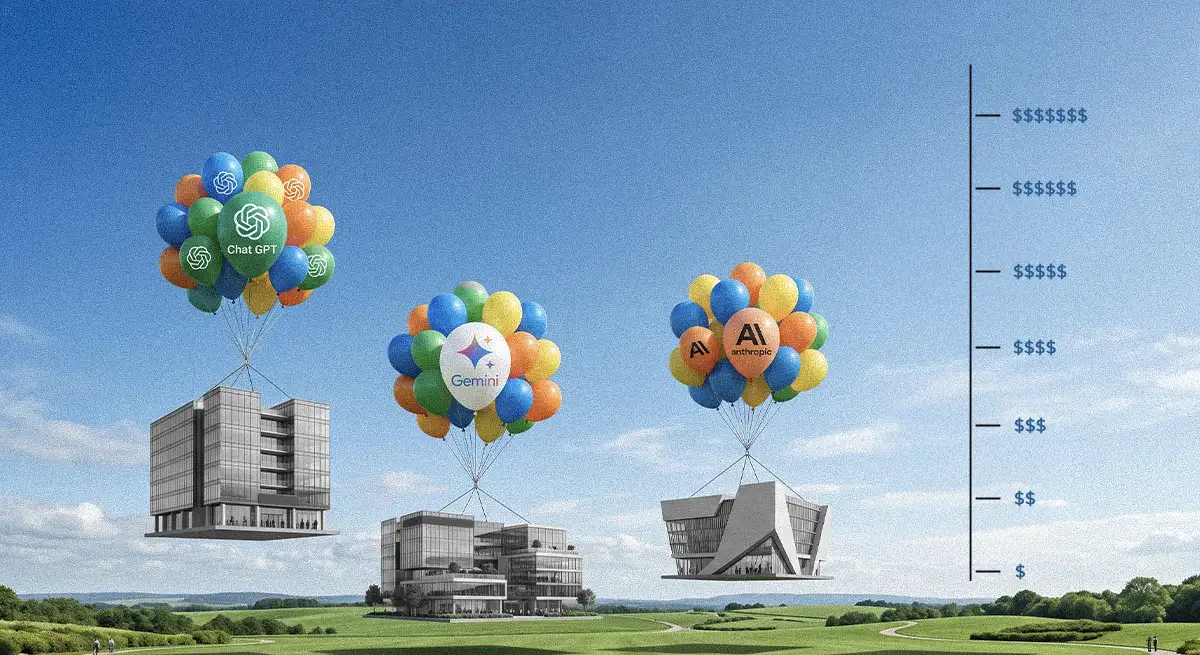
AI Labs Are Subsidizing Enterprise Subscriptions at Unsustainable Losses
The article argues that major AI labs (OpenAI, Anthropic, Google) are deliberately operating at a loss by heavily subsidizing enterprise AI
 thestateofbrand.com·14d ago
Anthropic restricts OpenClaw AI agent tool, pushes users toward paid subscriptions
Anthropic has severely restricted its OpenClaw AI agent tool, requiring users to pay for access as the company faces pressure to reduce syst
theverge.com·2d ago
Analysis: OpenAI's Cash Burn and the AI Investment Bubble
The article examines OpenAI's massive capital burn and the broader AI investment bubble, noting that while public markets show concern about
 economist.com·5mo ago