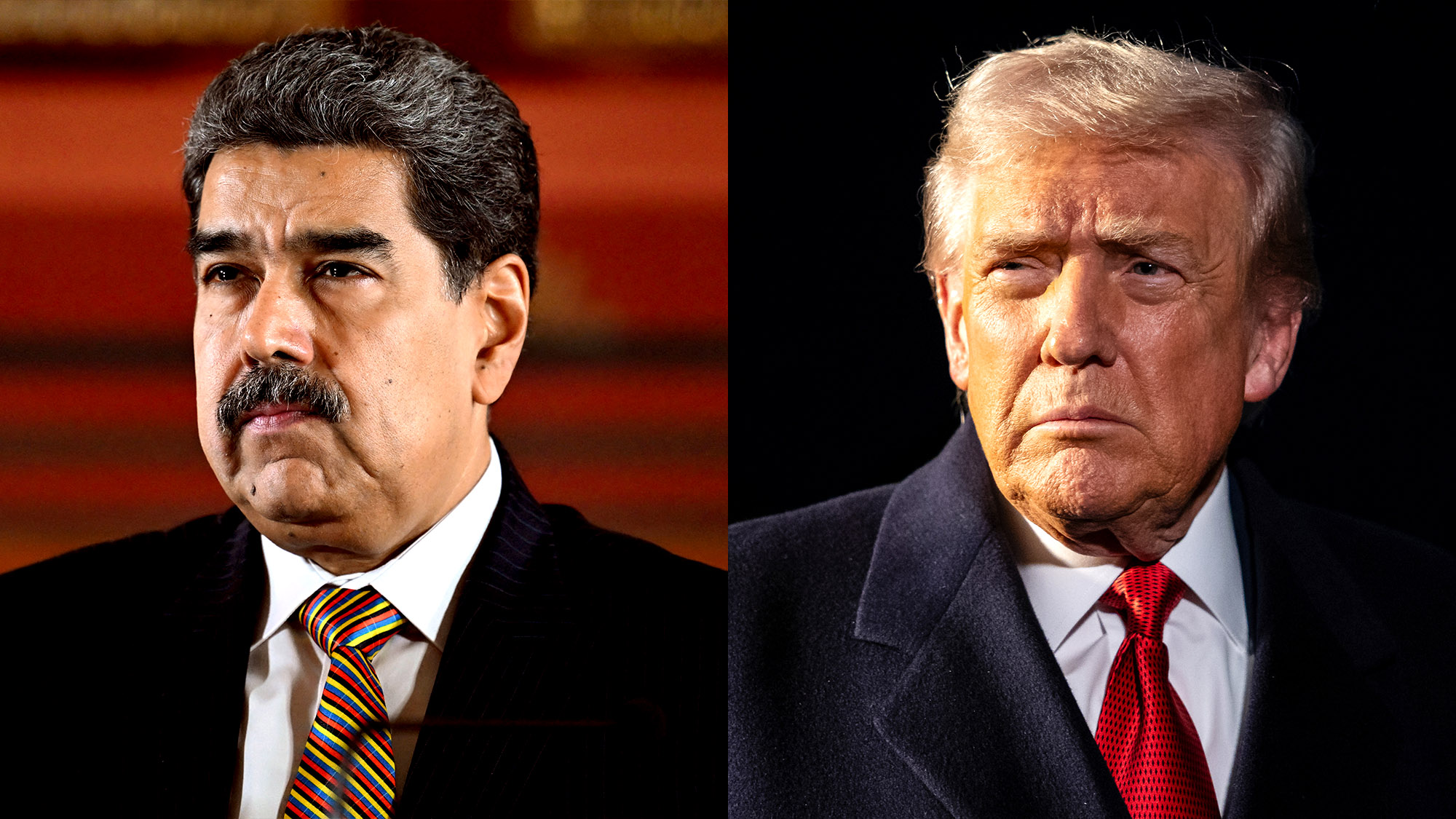
Analysis of Pentagon Decision-Making for Potential Venezuela Military Operation
By
SubiculumCode
4mo ago· 18 min readenInsight

90/100
Golden Brown
Bagelometer↗
Crackling crust, pillowy middle. The kind of bagel that earns a second cup of coffee.
Score90TypeanalysisSentimentneutral
Summary
The article analyzes the strategic calculus behind a hypothetical January 3, 2026 military operation in Venezuela, arguing that the Pentagon's decision-making process operates independently of presidential direction. It examines how the U.S. military establishment assesses threats and determines when military action becomes necessary, with the president executing what the military has already decided. The analysis suggests that the real motivations for such operations involve securing critical minerals and expelling adversaries from strategic regions, framing the public narrative about Venezuela as political theater.
Key quotes
· 4 pulledIn the American national security apparatus, the Pentagon does not await presidential direction on major military operations.
The Pentagon assesses threats, evaluates strategic priorities, and determines when military action crosses from option to necessity.
The president then executes what the military establishment has already decided is required.
The real motivations for such operations involve securing critical minerals and expelling adversaries from strategic regions.
The Real Reason the Pentagon Approved Venezuela: Critical Minerals and Adversary Expulsion