





















Analysis: How Marvel's Cinematic Universe Model Impacts Film Industry and Storytelling
By
PaulHoule

Pulled from the oven just right. Trustworthy, fact-dense, deeply satisfying.
Summary
The article critiques the 'Marvelization' of cinema, arguing that the Marvel Cinematic Universe's dominance has led to formulaic filmmaking that prioritizes spectacle over substance. It discusses how the MCU's interconnected storytelling and focus on franchise-building has created a sense of obligation for viewers to keep up with releases, diminishing the joy of cinema. The piece examines how this trend affects filmmaking quality, audience expectations, and the broader cinematic landscape, suggesting that the Marvel model has accelerated the decline of more traditional, character-driven storytelling in favor of franchise-driven content.
Key quotes
· 4 pulledAs hard as it may be to believe, some of us have never seen a movie belonging to the Marvel Cinematic Universe.
Nor will the laments aired by host Tom van der Linden, who, despite once enjoying the MCU himself, eventually came to wonder why keeping up with its releases had begun to feel less like a thrill than a chore.
As if their CGI-laden spectacles and interconnected storytelling have created not just entertainment but an obligation.
The Marvelization of cinema represents a shift from character-driven narratives to franchise-driven content that prioritizes spectacle over substance.
You might also wanna read

Critique of Superman's Post-Credits Scenes in Comparison to Marvel
James Gunn's Superman project in the new DC cinematic universe is a pivotal moment, testing the waters against Marvel's dominance. The post-
polygon·10mo ago
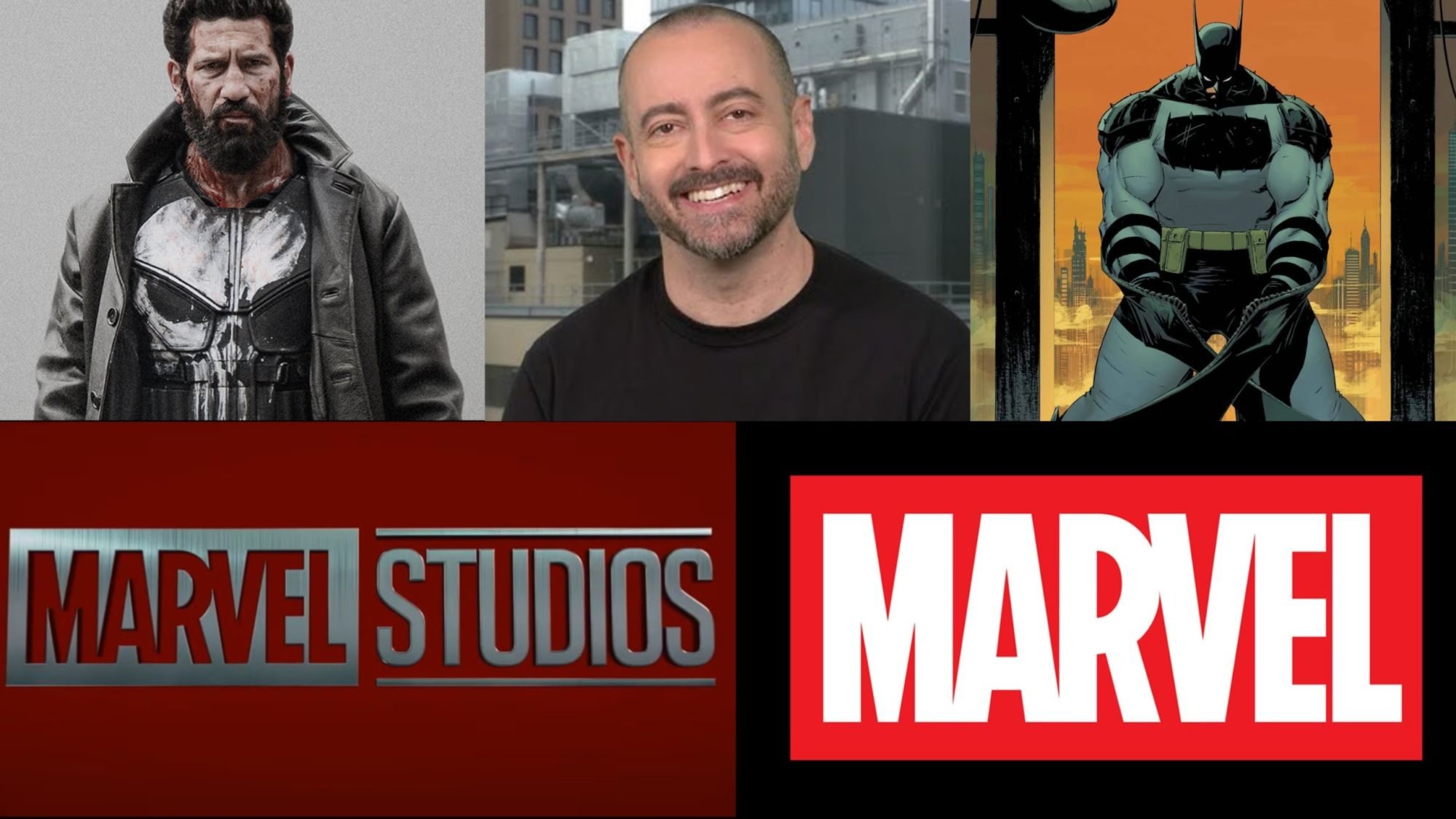
Marvel Studios and Marvel Comics undergo leadership restructuring amid Disney cost-cutting
Major organizational changes hit Marvel as Brad Winderbaum (head of TV and animation) takes over comics, publishing, and franchise oversight