





















Analog Reader: Convert Digital Newsletters into Printable Newspaper Format
By
Lucas Schiavini

Pure flour-power. Hearty enough to carry you through lunch.
Summary
Analog Reader is a product that converts digital newsletters into printable newspaper formats, designed for people who want to consume digital content in an analog, distraction-free way. The tool addresses concerns about digital overload by transforming online newsletters into physical newspapers that can be printed and read offline.
Key quotes
· 4 pulledFor people who love the internet but hate what it does to their brain.
The internet has infinite content. Your attention is finite.
Digital collection. Analog consumption.
Turn your digital media into a printable newspaper.
You might also wanna read

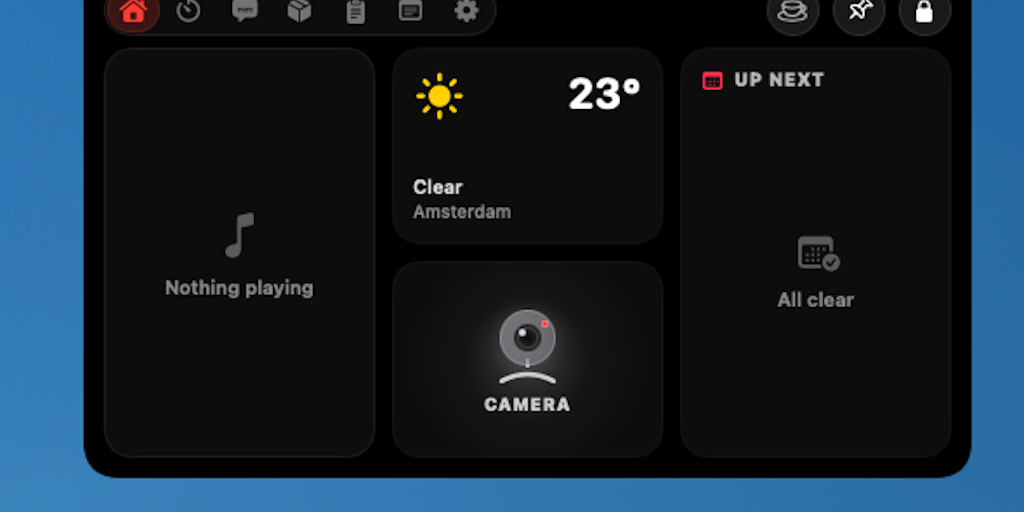
Notchy: Free macOS app turns MacBook notch into Dynamic Island with music, timers, and clipboard features
Notchy is a free, native macOS app that transforms the MacBook notch into a Dynamic Island-like interface, similar to the iPhone's feature.
 Product Hunt·3d ago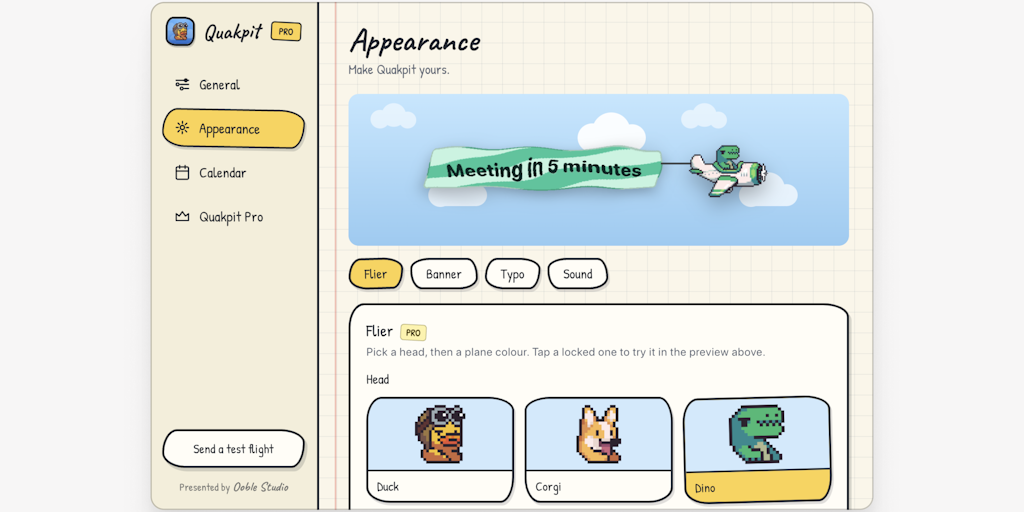
Quakpit: A macOS app that replaces meeting reminders with animal-piloted planes
Quakpit is a free, open-source macOS menu bar app that replaces boring meeting notification popups with a fun, animated animal-piloted plane
Product Hunt·6d ago
Ajar: Mac Utility That Maps Lid Angle to Brightness, Volume, and Keyboard Backlight
Ajar is a Mac utility that turns the MacBook's lid angle into a functional input. It offers two main features: Lid Angle Sync, which adjusts
Product Hunt·6d ago
Aviquill launches as a spatial note-taking canvas for visual thinkers
Aviquill is a new spatial note-taking app designed for visual thinkers who find traditional tools too rigid or overwhelming. The creator bui
Product Hunt·6d ago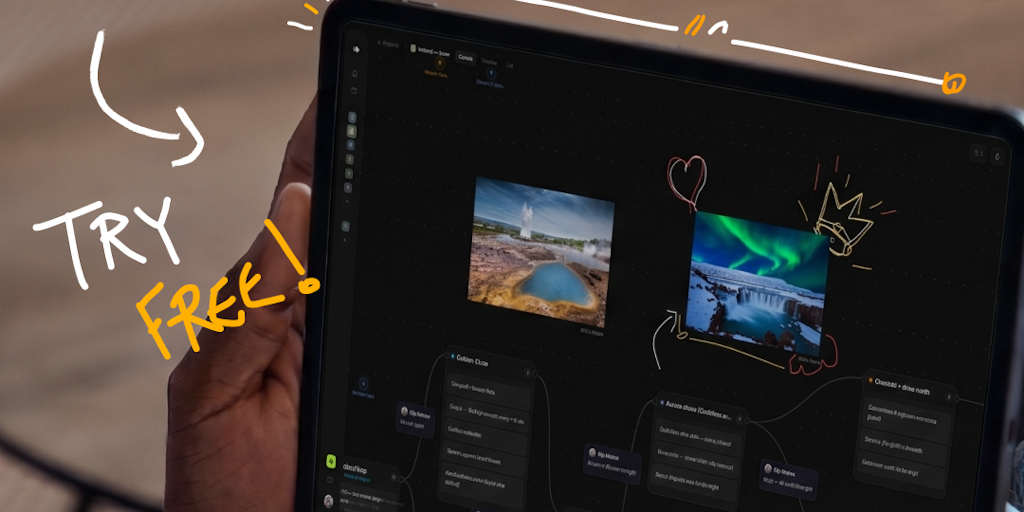
Planora: A customizable digital workspace for creative team collaboration
Planora is a project management tool that breaks away from rigid formats like Kanban, lists, or Gantt charts. Instead, it lets teams draw th
Product Hunt·17d ago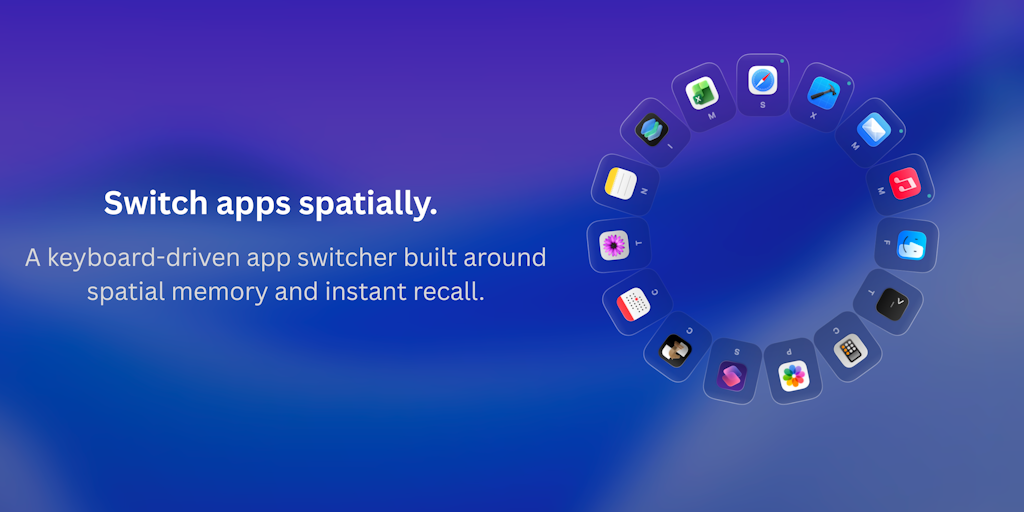
Tesserac: A spatial app switcher for macOS replacing Cmd+Tab with keyboard-driven layouts
Tesserac is a macOS app that reimagines the traditional Cmd+Tab app switcher by replacing the flat linear strip with spatial layouts (Spatia
Product Hunt·17d ago