





















Why Eliminating Rote Tasks with AI May Harm Cognitive Performance and Work Sustainability
By
By David Barry

The bagel they save for the regulars. Don't skim, savour.
Summary
The article argues that AI-driven productivity tools may be counterproductive by eliminating the low-intensity, rote tasks that serve as necessary mental resets for workers. It contends that the human brain can only handle about four hours of deep work daily, and that replacing downtime with constant high-intensity output creates unsustainable work environments. The piece challenges the prevailing AI productivity narrative, suggesting that managing cognitive load requires pacing, not just task elimination.
Key quotes
· 4 pulledManaging cognitive load is about pacing, not just elimination.
Someone filling in a spreadsheet between back-to-back meetings isn't wasting time. They are resetting.
Replace that reset with unbroken high-intensity output and you haven't built a more productive workday, but an unsustainable one.
Our brains can only do roughly four hours of deep work a day. The smartest businesses protect that time, instead of cramming it with more.
You might also wanna read


Study Finds AI Increases Productivity But Also Intensifies Work and Causes Cognitive Fatigue
An eight-month study reveals that while AI tools increase productivity, they also intensify work by causing cognitive fatigue, unsustainable
 hbr.org·4mo ago
Study Finds AI Intensifies Work Rather Than Reducing It
A study by Berkeley Haas researchers finds that AI tools don't reduce work but instead intensify it by creating a new, exhausting work rhyth

AI Tools Increase Workload Instead of Boosting Productivity
The article explores the unintended consequences of AI tools, which were initially promised to enhance productivity by automating mundane ta
 afterburnout.co·10mo ago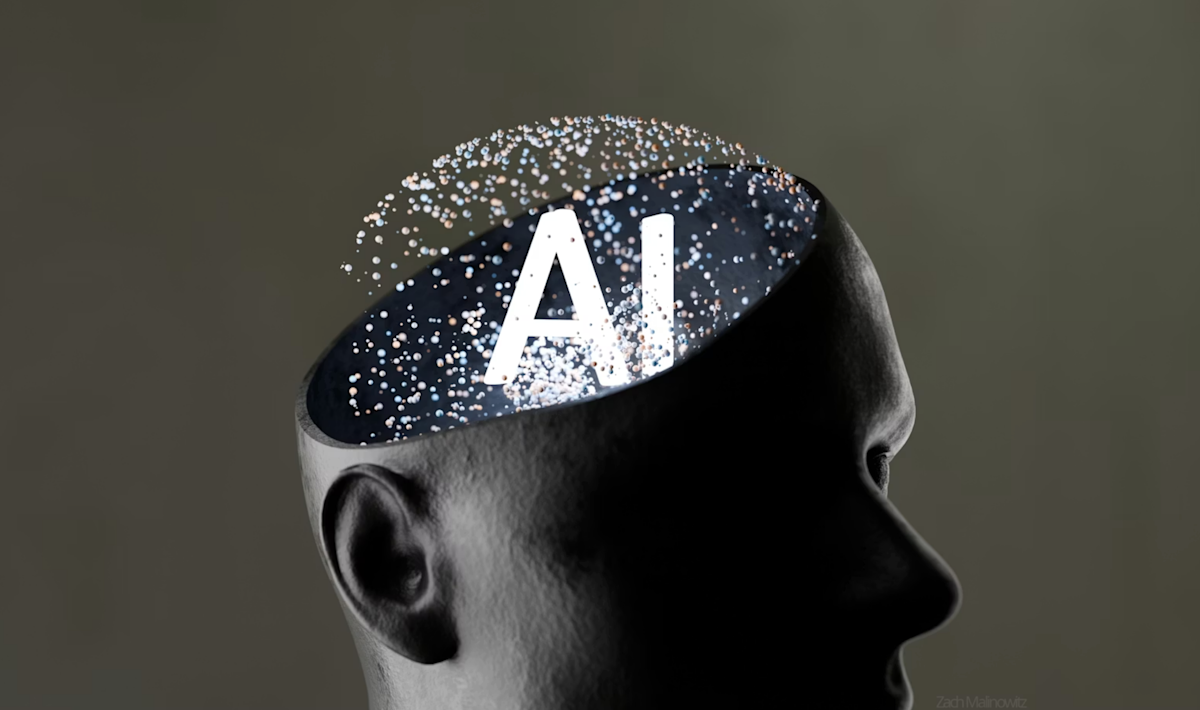
Study Finds AI Assistance Reduces Cognitive Persistence and Hurts Independent Performance
A new study published in the paper "AI assistance reduces persistence and hurts independent performance" reveals that while AI assistance im
 engadget.com·2mo ago
The Hidden Costs of AI-Generated Work: Authenticity and Expertise in Crisis
The article examines how AI tools like large language models are transforming workplace productivity, often in problematic ways. It discusse
No One's Happy·1mo ago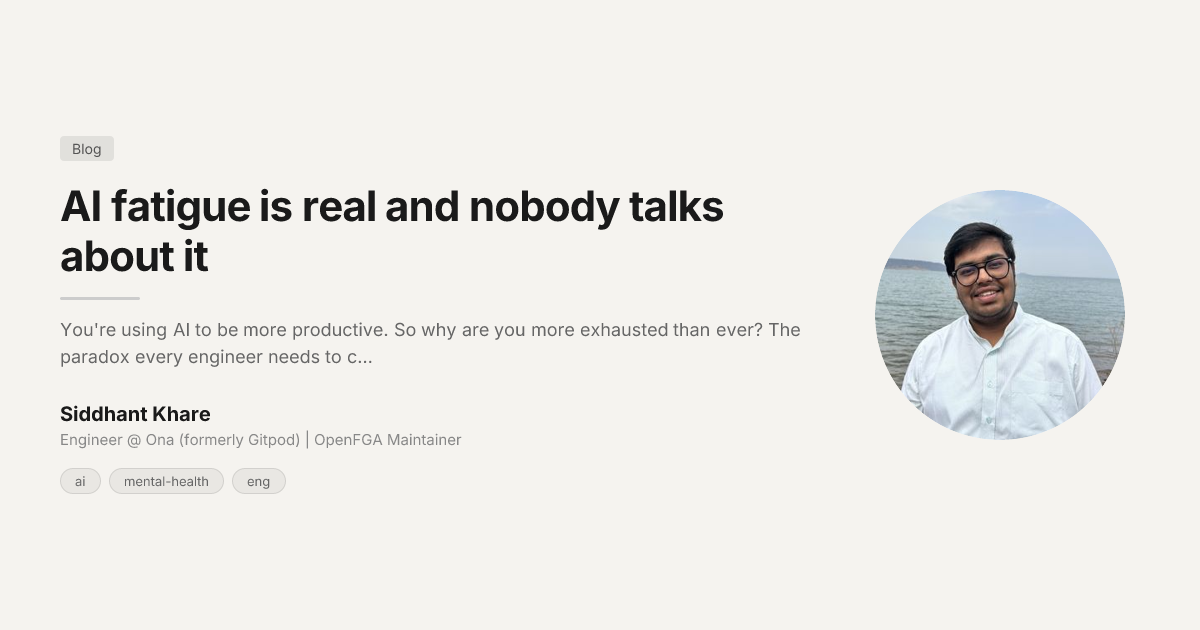
The AI Productivity Paradox: Why Engineers Are More Exhausted Despite AI Tools
The article explores the paradox of AI productivity tools leading to increased exhaustion rather than reduced workload. Written by an AI inf
 siddhantkhare.com·16d ago
The AI Productivity Paradox: Why Engineers Are More Exhausted Despite AI Tools
The article explores the paradox of AI productivity tools leading to increased exhaustion rather than reduced workload. Written by an AI inf
siddhantkhare.com·16d ago