





















AI Hardware Future: Ecosystems Over Single Devices
By
Victoria Song

Front-window bakery material. Catches the eye, delivers the goods.
Summary
The article argues against the concept of a single all-in-one AI device, instead proposing that the future of AI hardware lies in interconnected ecosystems of specialized devices. Using Google's Pixel strategy with Gemini AI as an example, the author suggests that AI will strengthen product ecosystems rather than create universal devices. The piece reflects on the current reality of carrying multiple gadgets and challenges the dream of a single do-everything device.
Key quotes
· 4 pulledI dream of a gadget that can do it all. Instead, when I leave for the office, I pack one or two phones, a portable battery bank, a laptop, a Kindle, a new product I'm testing, and at least one pair of earbuds.
Google doesn't seem to think so. At least, no single all-powerful, do-everything device will replace the phone.
Google's Pixel hardware strategy is an example of how AI might be the thing that cements walled gardens and product ecosystems.
The future of AI hardware isn't one device — it's an entire ecosystem.
You might also wanna read


AI Is Foundational Technology, Not a Standalone Product
This article argues that AI is not a product or even a feature, but rather foundational technology that will be embedded into all products.
 daringfireball.net·14d ago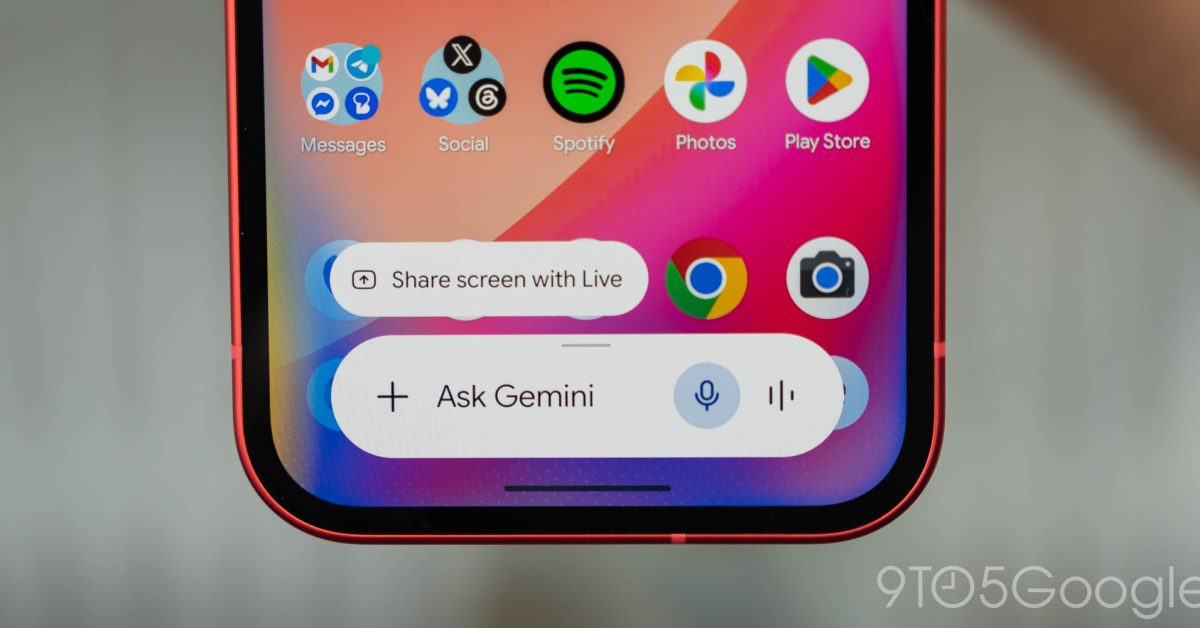
Struggling to find practical uses for Google's Gemini AI
The article reflects on Google's practical focus for Gemini and AI showcased at I/O 2026, with the author expressing difficulty in finding g
 9to5google.com·8h ago
AI Assistant Companies Shift to Advertising Models While Developing Always-On Surveillance Hardware
The article examines how major AI assistant companies like OpenAI are transitioning to advertising-based business models while simultaneousl
 juno-labs.com·3mo ago
Author's Preference for Google Gemini AI Models Over Competitors
The article discusses the author's preference for Google's Gemini AI models over competitors like Anthropic and OpenAI, praising Gemini's sp
 robinsloan.com·2mo ago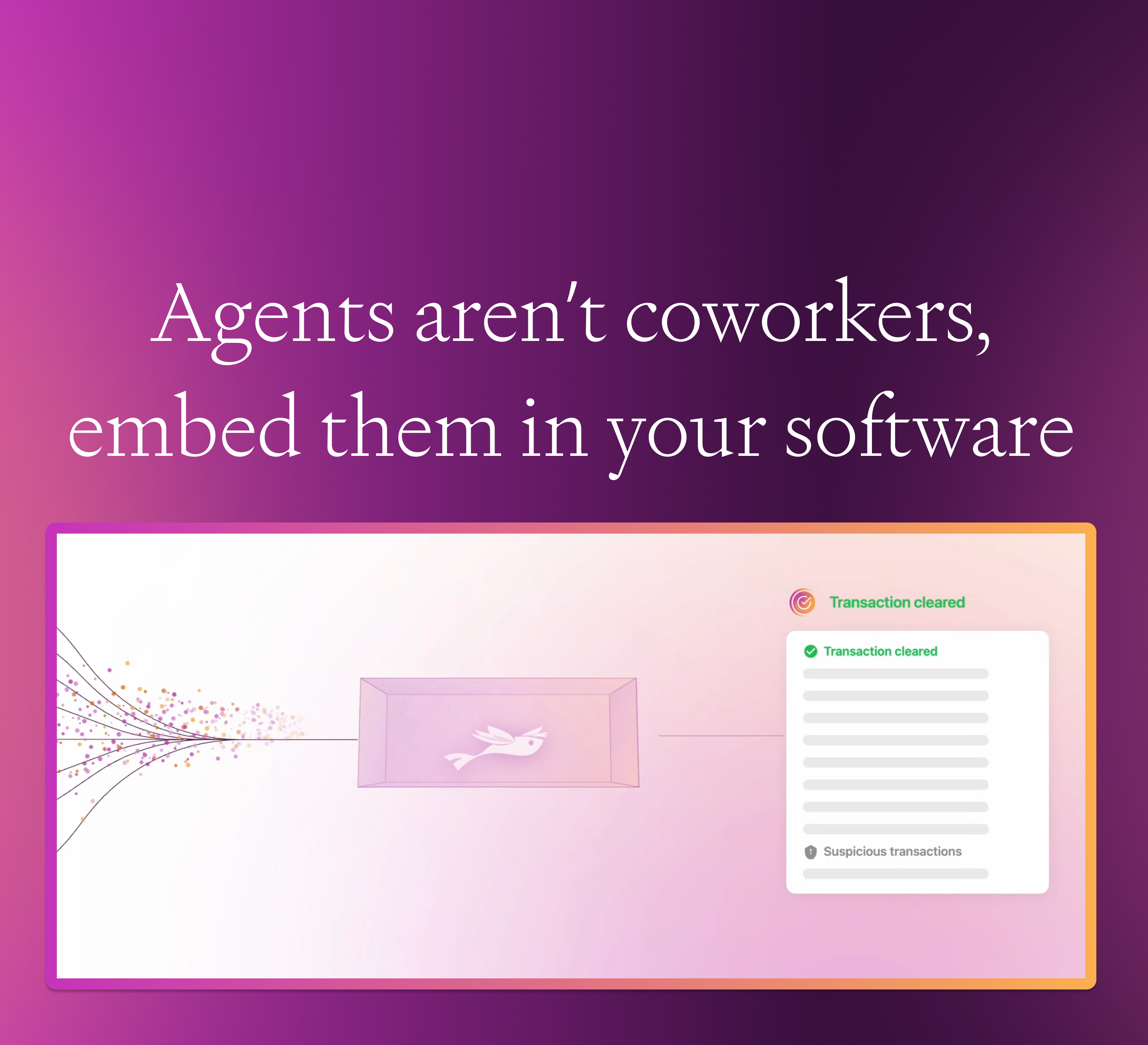
Embed AI Agents Into Software, Don't Treat Them as Coworkers
This article argues that AI agents should not be treated as coworkers or standalone tools, but rather embedded directly into software system
 feldera.com·1mo ago