





















Generative AI threatens photographic truth; experts call for legal frameworks and universal watermarks
By
Akhil Bhardwaj

A second-rack bagel that's nearly first-rack. Tasty stuff.
Summary
The article argues that generative AI is eroding the trustworthiness of photography by making it impossible to distinguish real images from AI-generated ones. It calls for a combination of social and legal frameworks, along with technical solutions like universal "AI watermarks," to help viewers immediately identify fake images. Without such measures, the author warns that the loss of trust in photography could have disastrous consequences for democracy, using the iconic Normandy landings photography as an example of the stakes involved.
Key quotes
· 3 pulledGenerative artificial intelligence (AI) is erasing the line between reality and illusion to the point where seeing is no longer believing.
We need a social and legal framework that will separate real-world images from those generated by AI, as well as technical innovations, such as universal 'AI watermarks,' that will help viewers immediately distinguish real images from fake ones.
Without such a framework in place, we risk losing the trust that real-world photography brings. And that would be a disaster for democracy.
You might also wanna read

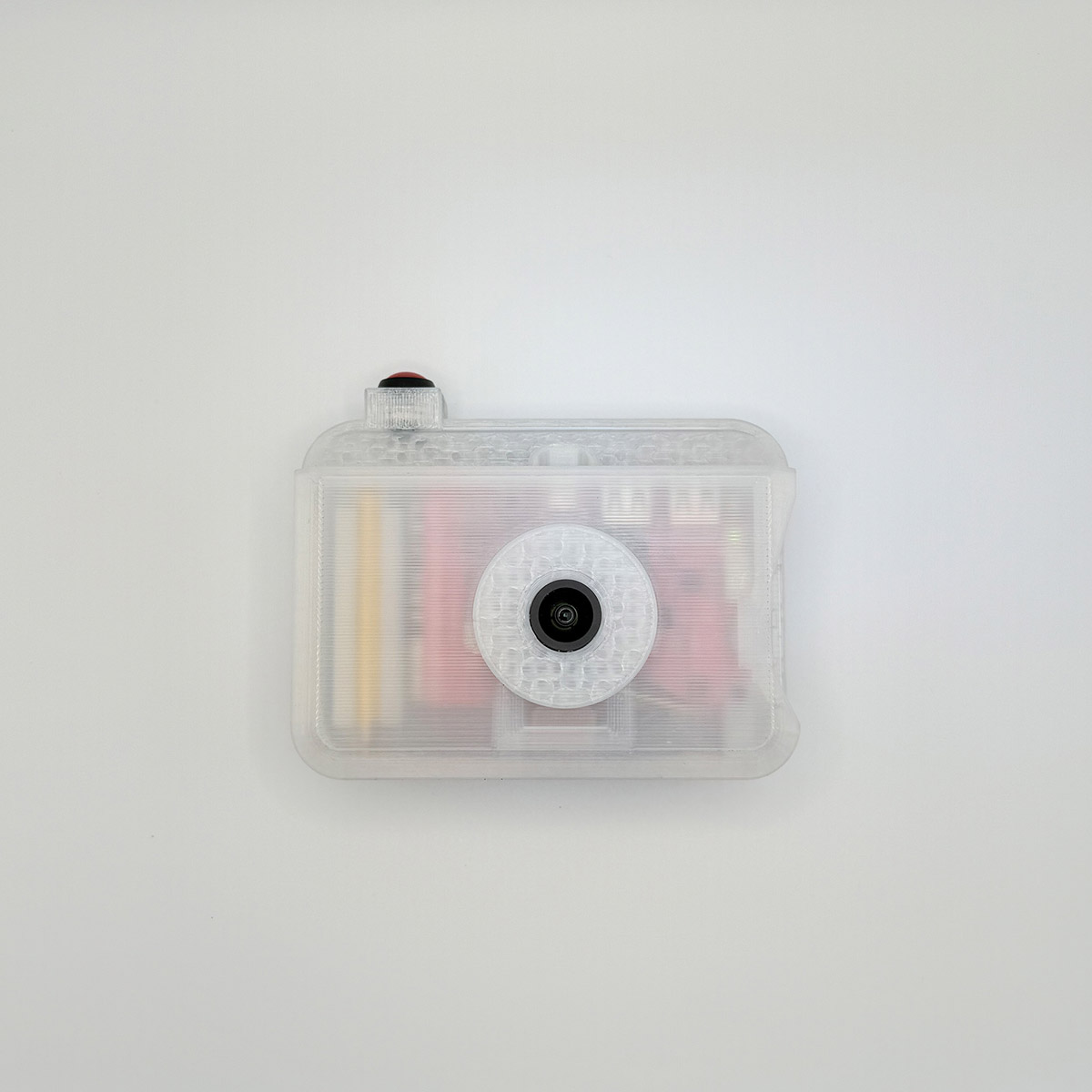
The Evolution of Photography: From Authentic Moments to AI-Generated Images
The article reflects on how photography has evolved from capturing authentic, magical moments to becoming distorted by AI and social media.
 roc.camera·7mo ago
Proposal for AI-Free Labeling System to Protect Human Creators
The article discusses the growing challenge for human creators in distinguishing their work from AI-generated content. As generative AI beco
 The Verge·1mo ago
Examining Big Tech's Commitment to Combating AI-Generated Content and Preserving Authenticity
The article examines whether major tech companies genuinely care about combating AI-generated content ('AI slop') or are merely paying lip s
The Verge·3mo ago
The Struggle to Label AI-Generated Content: Why Deepfake Detection Efforts Are Failing
The article examines the challenges of labeling AI-generated content (deepfakes) to protect shared reality, discussing how current labeling
The Verge·3mo ago
World Press Photo contest defines photojournalism in the age of AI with strict rules
The World Press Photo competition is grappling with the definition of photography in the age of generative AI. The 2026 winning entry, "Sepa
The Verge·1mo ago
AI Image Generators Improve Realism Through Controlled Quality Degradation
AI image generators are improving their ability to create realistic fakes by intentionally degrading image quality slightly, making it harde
The Verge·5mo ago