





















AI Agent Development: Why Technical Capability Doesn't Guarantee User Adoption
By
umangsehgal93

Master baker tier. Every paragraph earns its place on the tray.
Summary
This article discusses the common challenge in AI agent development where high technical capability doesn't translate to user adoption. The author explains that while AI agents can achieve impressive metrics like 89% accuracy and sub-second response times, users abandon them when faced with complex, real-world problems. The piece focuses on the gap between technical performance and practical usability, offering guidance on agent architecture, orchestration patterns, trust strategies, and adoption plans for product managers.
Key quotes
· 4 pulledOur agent could handle routine requests perfectly, but when faced with complex issues, users would try once, get frustrated, and immediately ask for a human.
This pattern is observed across every product team that focuses on making their agents "smarter" when the real challenge is making them more usable.
89% accuracy, sub-second response times, positive user feedback in surveys. But users were abandoning the agent after their first real problem.
A complete guide to agent architecture, orchestration patterns, trust strategies, and adoption plans for PMs building AI agents.
You might also wanna read


Why enterprise AI agent adoption is stalled by poor implementation, not capability limits
A Harvard Business Review study found only 6% of companies fully trust AI agents to autonomously run core business processes. The article ar
 techradar.com·4d ago
AI hype vs. reality: The failed promises and hollow outputs plaguing the industry
The article critiques the gap between AI hype and reality, highlighting common frustrations with AI-generated content that feels robotic and
 theconversation.com·3d ago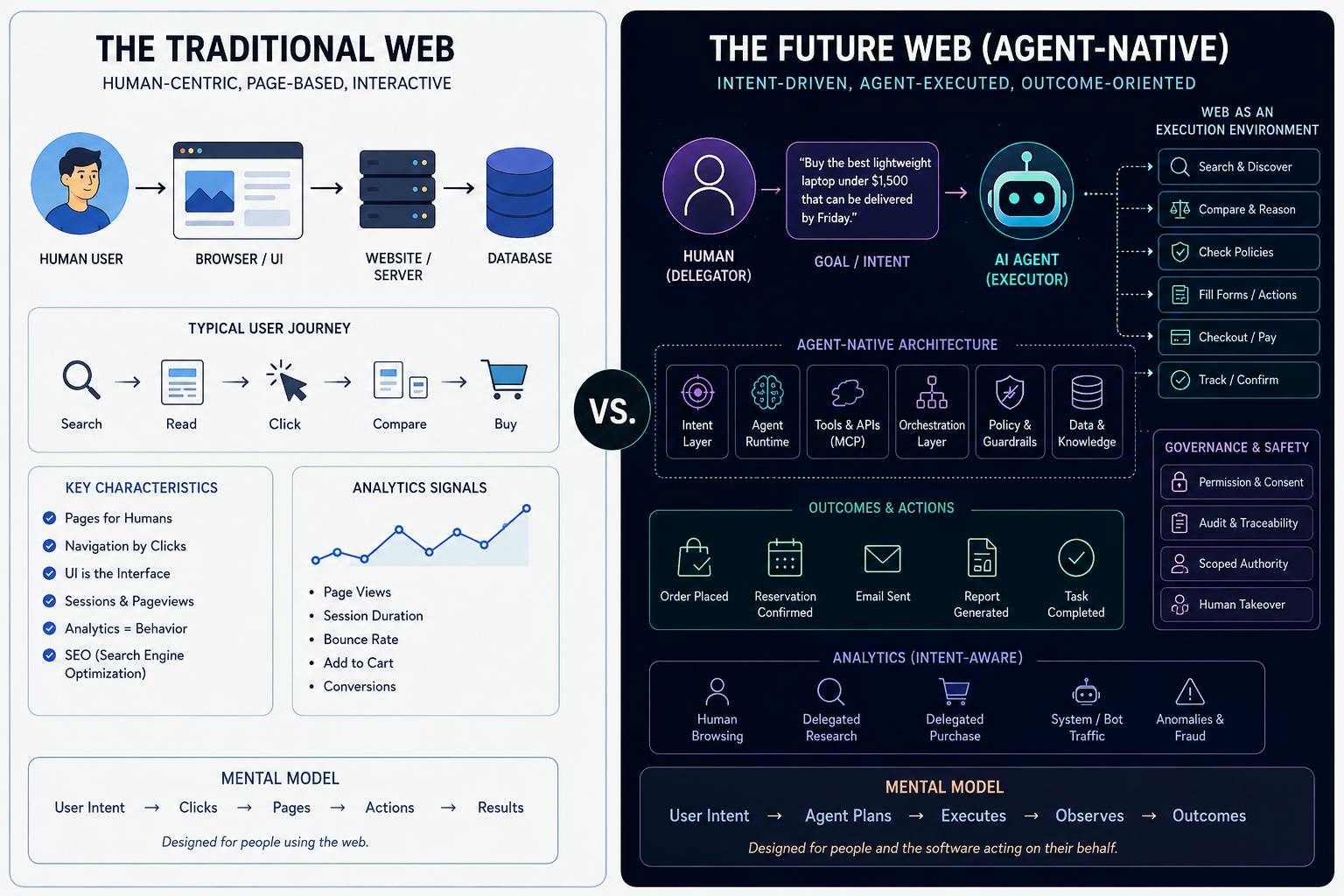
The Web's Shift to Agent-Native Architecture: Why Most Teams Are Unprepared
The article discusses the paradigm shift from traditional human-driven web browsing to an "agent-native" web ecosystem where AI systems auto

The Reality Gap: Why AI Agents Remain Science Fiction Rather Than Practical Technology
This article analyzes the current state and limitations of AI agents, contrasting the fictional ideal of systems like J.A.R.V.I.S. from Marv
 The Verge·9mo ago
Why Most AI Strategies Fail: Lessons From a Company-Wide Two-Week Pause for AI Adoption
The article discusses why most AI strategies fail in organizations — treating AI as something to install rather than a skill to practice. Th
 bit.ly·4d ago
Why most businesses fail to achieve AI adoption at scale despite heavy investment
Despite heavy investment in AI, most organizations struggle to achieve enterprise-wide adoption and tangible business impact. Only 32% of or
 weforum.org·23h ago