





















AdaCore and NVIDIA Introduce Ada and SPARK Programming Languages to Automotive Market
By
gneuromante

Crusty in the right places. Worth the chew.
Summary
AdaCore and NVIDIA introduce Ada and SPARK programming languages into the automotive market with a reference process for developing autonomous vehicle applications on DRIVE AGX-based hardware.
Key quotes
· 2 pulledHigh-integrity software tooling experts, AdaCore, are delighted to announce the introduction of the Ada and SPARK programming languages into the automotive market.
NVIDIA developed Drive® OS, the reference operating system and associated software stack designed specifically for developing and deploying autonomous vehicle applications on DRIVE AGX-based hardware.
You might also wanna read


Apple Plans to Launch Smart Glasses in Late 2027, Competing With Meta's Ray-Ban Wearables
The article discusses Apple's anticipated entry into the smart glasses market, reportedly launching in late 2027, directly competing with Me
 gizmodo.com·34m ago
European Commission explores new semiconductor factory as part of Chips Act 2.0 strategy
The European Commission, along with two R&D hubs, is exploring the establishment of a cutting-edge semiconductor factory in Europe as part o
 politico.eu·35m ago
Noctua partners with Carbice to distribute carbon nanotube thermal pads for AMD Ryzen CPUs
Noctua has announced a long-term partnership with Carbice, a U.S. company specializing in vertically aligned carbon nanotube thermal interfa
 videocardz.com·35m ago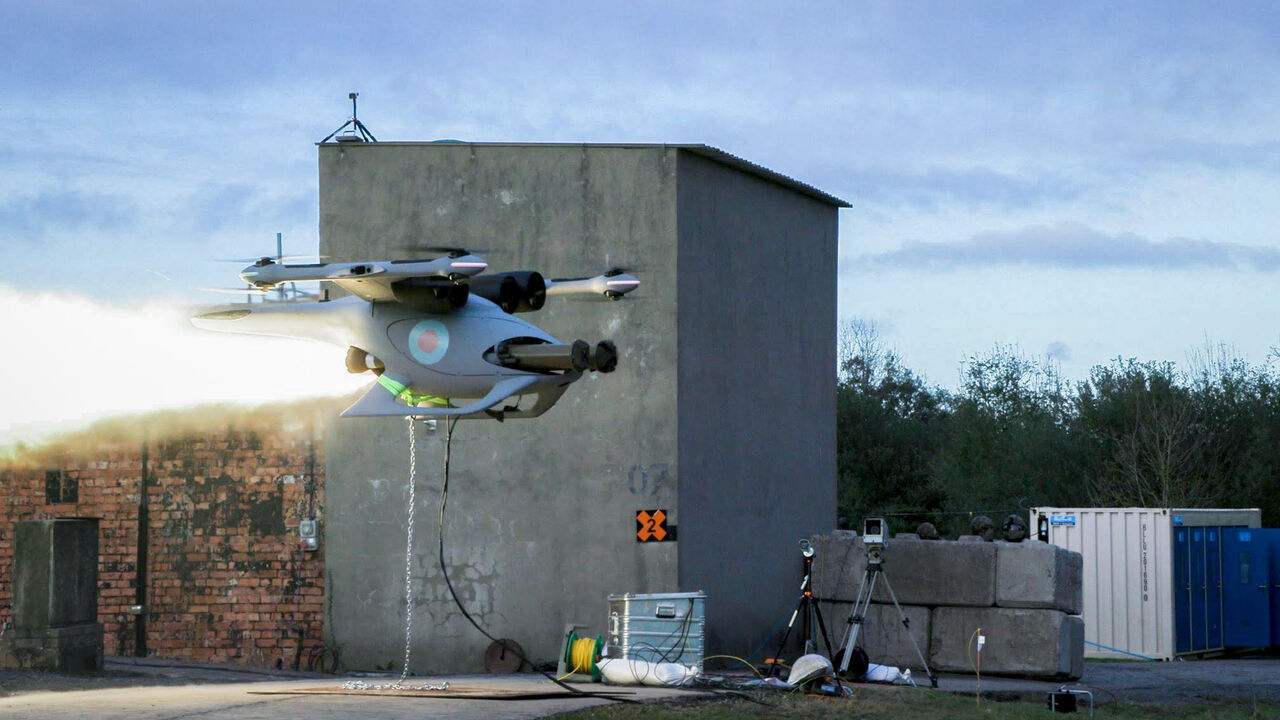
Swindon emerges as a hub for Britain's drone industry with new MoD testing site
Swindon, a struggling British town, is being positioned as a hub for Britain's drone industry. The Ministry of Defence plans to build a dron
 econ.st·52m ago
Uber and Autobrains partner to launch Level 4 autonomous taxi fleet in Munich
Uber and the Israeli AI company Autobrains have announced a joint Robotaxi program in Munich, Germany. They plan to deploy a fleet of Level
 heise.de·1h ago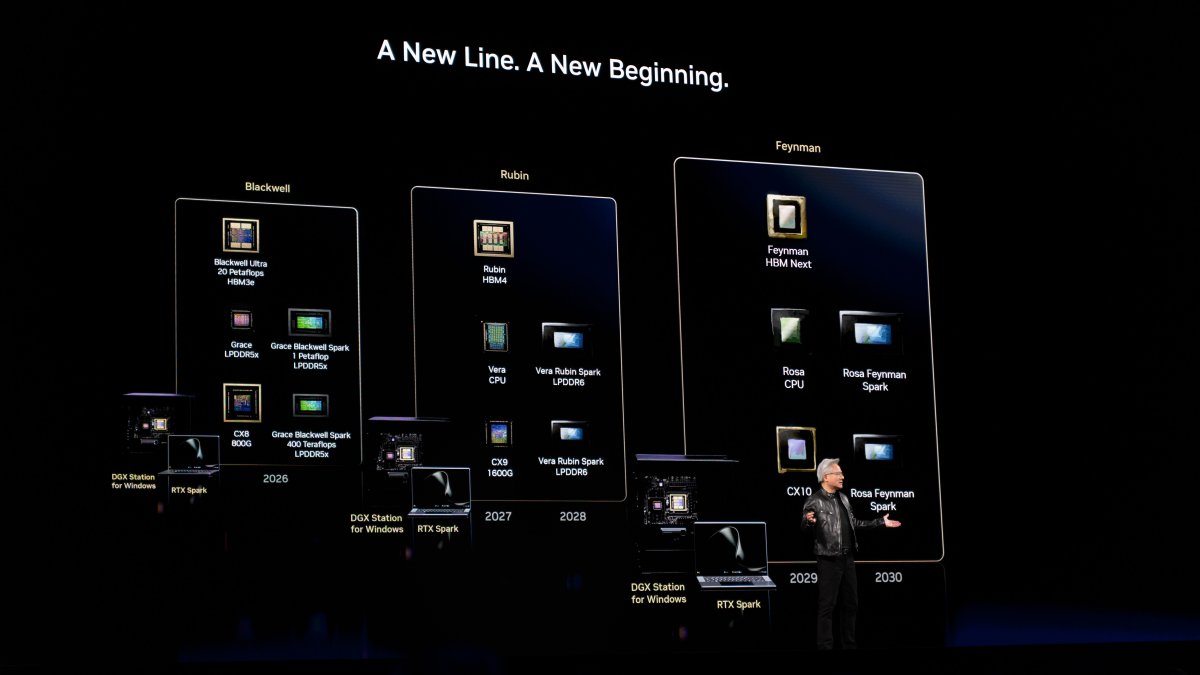
Nvidia stellt PC-Prozessor-Roadmap bis 2030 vor: Zwei neue Generationen geplant
Nvidia hat auf der Computex 2026 eine aktualisierte PC-Roadmap vorgestellt, die bis 2030 reicht. Nach dem ersten eigenen Notebook-Prozessor
heise.de·1h ago