





















Ukraine's Sting drone maker prioritizes loitering time over speed to better hunt Russian Shaheds
By
Jake Epstein

Hot, fresh, and worth queueing round the block for.
Summary
Wild Hornets, the Ukrainian manufacturer behind the popular "Sting" interceptor drone, made a strategic design decision to reduce speed in favor of longer loitering time when hunting Russian Shahed drones. The article explains how faster isn't always better in drone interception, as increased loitering time allows operators more flexibility to track and engage targets. This trade-off reflects real-world combat lessons from Ukraine's drone warfare against Russian aerial threats.
Key quotes
· 3 pulledThe 'Sting' is among Ukraine's most popular interceptor drones.
Wild Hornets, which is behind the popular Sting interceptor drone, scaled back the speed in favor of loitering time.
A top Ukrainian interceptor drone maker learned that faster isn't always better when hunting Russian Shaheds.
You might also wanna read

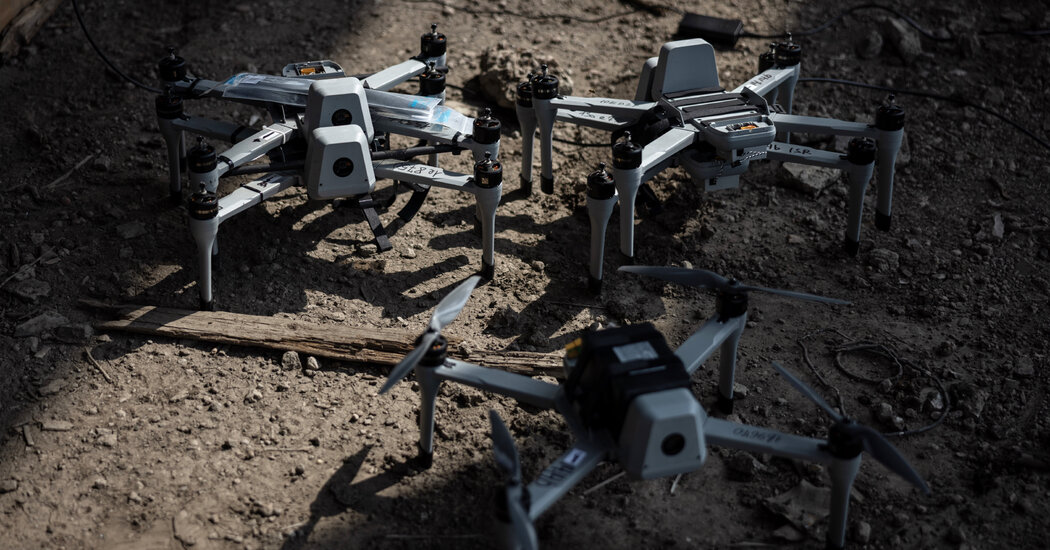
Ukraine Develops AI-Enhanced Semiautonomous Drones to Counter Russian Electronic Warfare
The article describes how Ukraine is developing semiautonomous AI-powered drones in response to sophisticated Russian electronic warfare def
 nytimes.com·5mo ago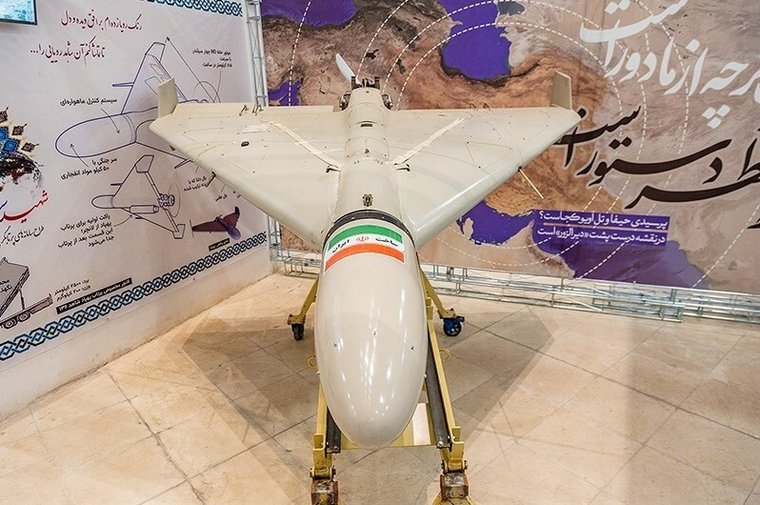
UK and Ukraine Launch Project Octopus to Supply Thousands of Interceptor Drones Against Russian Threats
The UK has launched 'Project Octopus' in partnership with Ukraine to deliver thousands of interceptor drones monthly to support Ukraine's de