





















Combination therapy with RAS inhibitors shows promise for pancreatic cancer regression and resistance prevention
By
Mariano Barbacid

Front-window bakery material. Catches the eye, delivers the goods.
Summary
This research article presents a study on a targeted combination therapy for pancreatic ductal adenocarcinoma (PDAC), one of the deadliest cancers with the lowest survival rates. The study demonstrates that combining RAS inhibitors with other targeted agents achieves effective tumor regression in pancreatic cancer and prevents the development of drug resistance. The research involves a large team of scientists and provides preclinical evidence for a new therapeutic approach that could significantly improve treatment outcomes for PDAC patients.
Key quotes
· 3 pulledPancreatic ductal adenocarcinoma (PDAC) has one of the lowest cancer survival rates.
Recent studies using RAS inhibitors have opened the door to more efficacious therapies although their beneficial...
A targeted combination therapy achieves effective pancreatic cancer regression and prevents tumor resistance
You might also wanna read


Daily pill daraxonrasib doubles survival in advanced pancreatic cancer, clinical trial shows
A clinical trial has shown that a daily pill called daraxonrasib can double survival time for patients with advanced pancreatic cancer, one
 theguardian.com·10d ago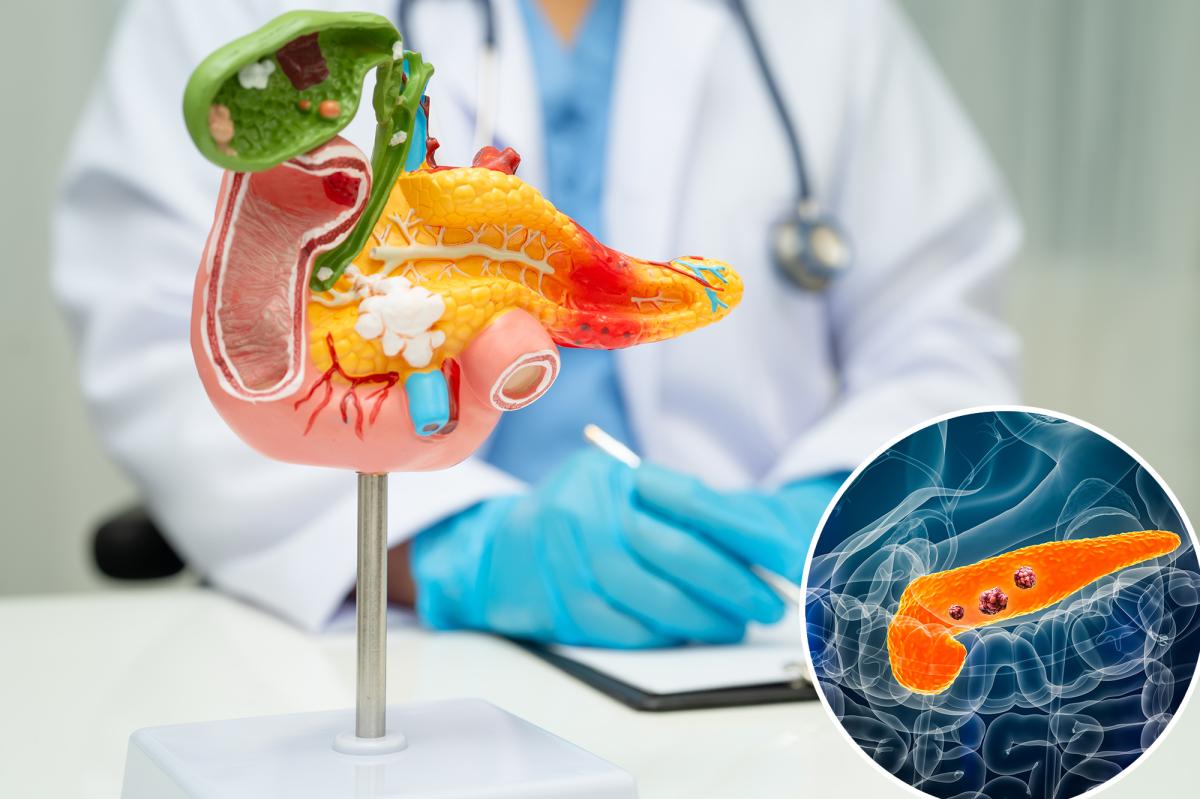
Spanish Researchers Develop Breakthrough Therapy Protocol for Pancreatic Cancer Treatment
Spanish researchers have developed a new therapy protocol that could revolutionize pancreatic cancer treatment. Pancreatic cancer is notorio
 nypost.com·4mo ago
Ask HN: What is the latest on treatment of Metastatic Breast Cancer?
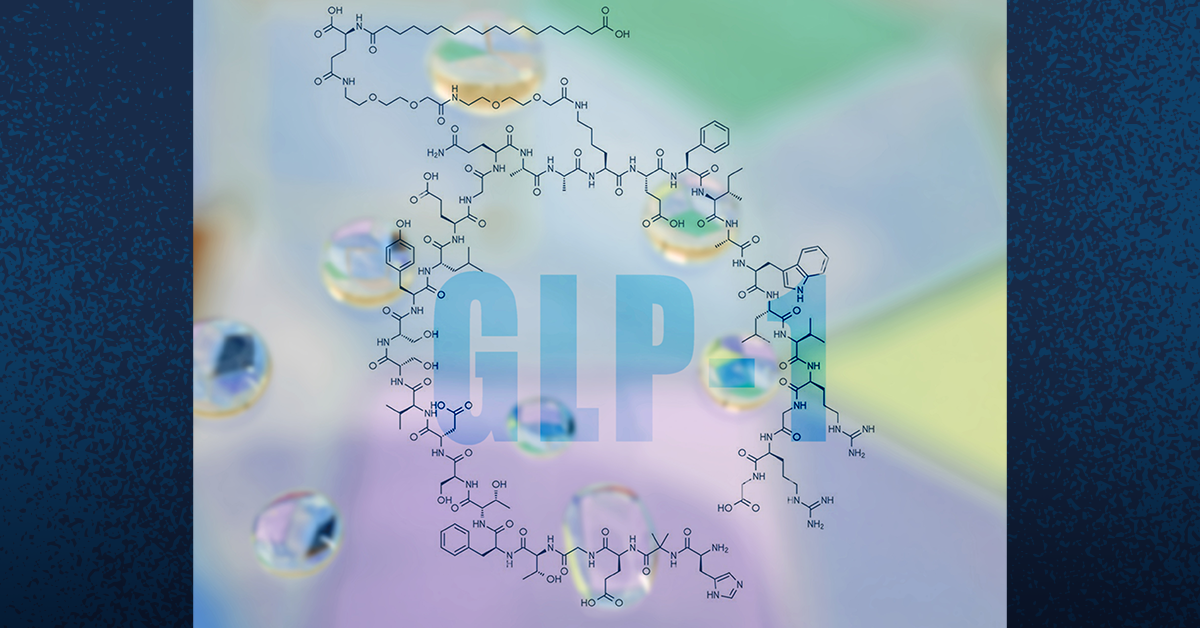
Study Finds GLP-1 Drugs Associated with 58% Lower Mortality in Colon Cancer Patients
A study analyzing over 6,800 colon cancer patients across University of California Health sites found that patients taking GLP-1 medications
AI Advances in Drug Discovery: From Data Integration to Dual-Action Cancer Drug Design
The article discusses recent advancements in AI-driven drug discovery, highlighting two key developments: 1) Analytica 2026, an event focuse
 drugtargetreview.com·4mo ago
Personalized mRNA Cancer Vaccine Shows 49% Risk Reduction at 5-Year Follow-up
Moderna and Merck report promising 5-year follow-up results for their personalized mRNA cancer vaccine combined with Keytruda immunotherapy.
 arstechnica.com·4mo ago