





















Adaptive PDFs: Bridging Visual Rendering and Machine-Readable Structure
By
Sarthak Gaud

Crackles when you bite it. Shows the baker did the work.
Summary
This article discusses the limitations of the PDF format for machine readability. PDFs store visual rendering instructions (coordinates and font sizes) rather than semantic structure. While Tagged PDF exists for accessibility, most PDFs generated by common tools (LaTeX, Chrome print-to-PDF) are untagged. The article proposes an idea for "Adaptive PDFs" that render normally for human readers while exposing clean markdown structure to text extractors and LLMs, bridging the gap between visual presentation and machine-readable content.
Key quotes
· 4 pulledPDF is a visual format. It stores instructions for where to draw glyphs on a page.
Most PDFs you actually encounter are untagged. LaTeX, Chrome's print-to-PDF, most export tools don't produce tags.
Text extractors read the draw commands left to right, top to bottom, and hope for the best.
This didn't matter when humans were the only readers. But now most PDFs end
You might also wanna read


AI Models Continue to Struggle with PDF Processing Despite Technological Advances
The article examines the persistent challenges that AI models like ChatGPT and Claude face in processing PDF documents, despite significant
 The Verge·3mo ago
Building a Minimal RAG System from Scratch: PDF to Highlighted Answers in ~100 Lines of Python
A hands-on tutorial that builds the smallest functional RAG (Retrieval-Augmented Generation) system from scratch using about 100 lines of Py
 towardsdatascience.com·13d ago
Adobe Acrobat Adds AI Features for PDF-to-Podcast Conversion and Document Summarization
Adobe has introduced new generative AI features to its Acrobat software that enable users to edit PDFs and convert them into audio and visua
The Verge·4mo ago
Building Adaptive SVGs with <symbol>, <use>, and CSS Media Queries
This technical article by Andy Clarke demonstrates how to create adaptive SVGs that respond to different screen sizes using SVG <symbol> and
 Smashing Magazine·8mo ago
AI-First Content Management: Rethinking CMS vs Markdown for Agentic Applications
The article explores whether traditional Content Management Systems (CMS) like WordPress are still necessary in an AI-first world where agen
 Prototypr·5mo ago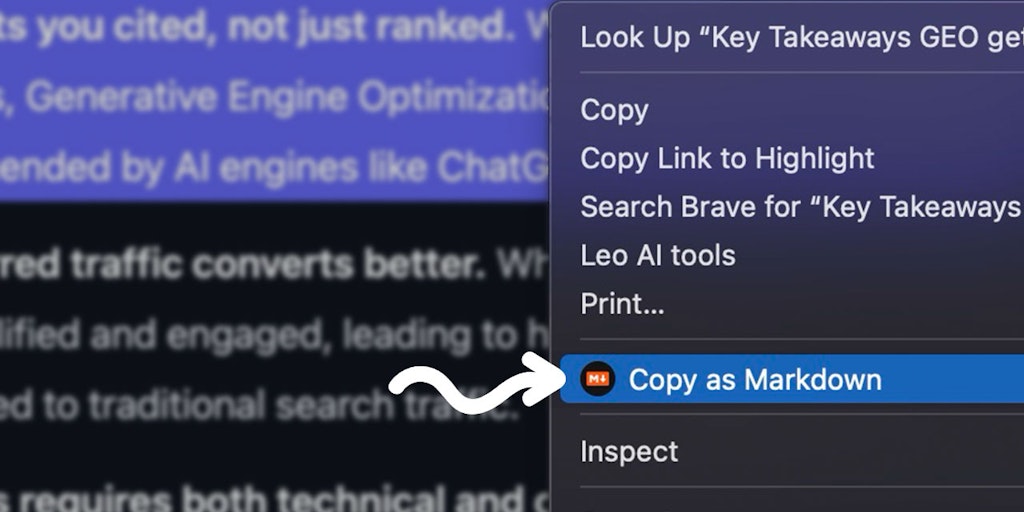
Copy as Markdown: Tool Converts Web Content to Markdown Format for AI Language Models
The article introduces 'Copy as Markdown,' a tool that converts web content into clean Markdown format specifically optimized for use with L
 Product Hunt·1y ago