





















A Comprehensive Guide to Conflict-Free Replicated Data Types (CRDTs): Principles and Applications
By
birdculture

The kind of bagel that ruins lesser bagels for you.
Summary
This comprehensive guide explores Conflict-free Replicated Data Types (CRDTs), distributed data structures that enable concurrent updates without coordination or consensus. The article explains how CRDTs work, their mathematical foundations, and various implementations including counters, sets, registers, and sequences. It covers the tradeoffs between different CRDT designs, their practical applications in distributed systems like Riak, and how they solve the distributed consensus puzzle through eventual consistency and conflict resolution mechanisms.
Key quotes
· 5 pulledCRDTs, Conflict-free Replicated Data Types, enable concurrent writes without any coordination or consensus.
The article explores how different CRDTs solve the distributed consensus puzzle.
Underlying all of this was the concept of CRDTs, which could handle network partitions and keep accepting writes.
Written in the spirit of the Typeclassopedia, this guide examines the tradeoffs between different CRDT designs.
From counters to sequences, CRDTs provide mathematical foundations for distributed data consistency.
You might also wanna read

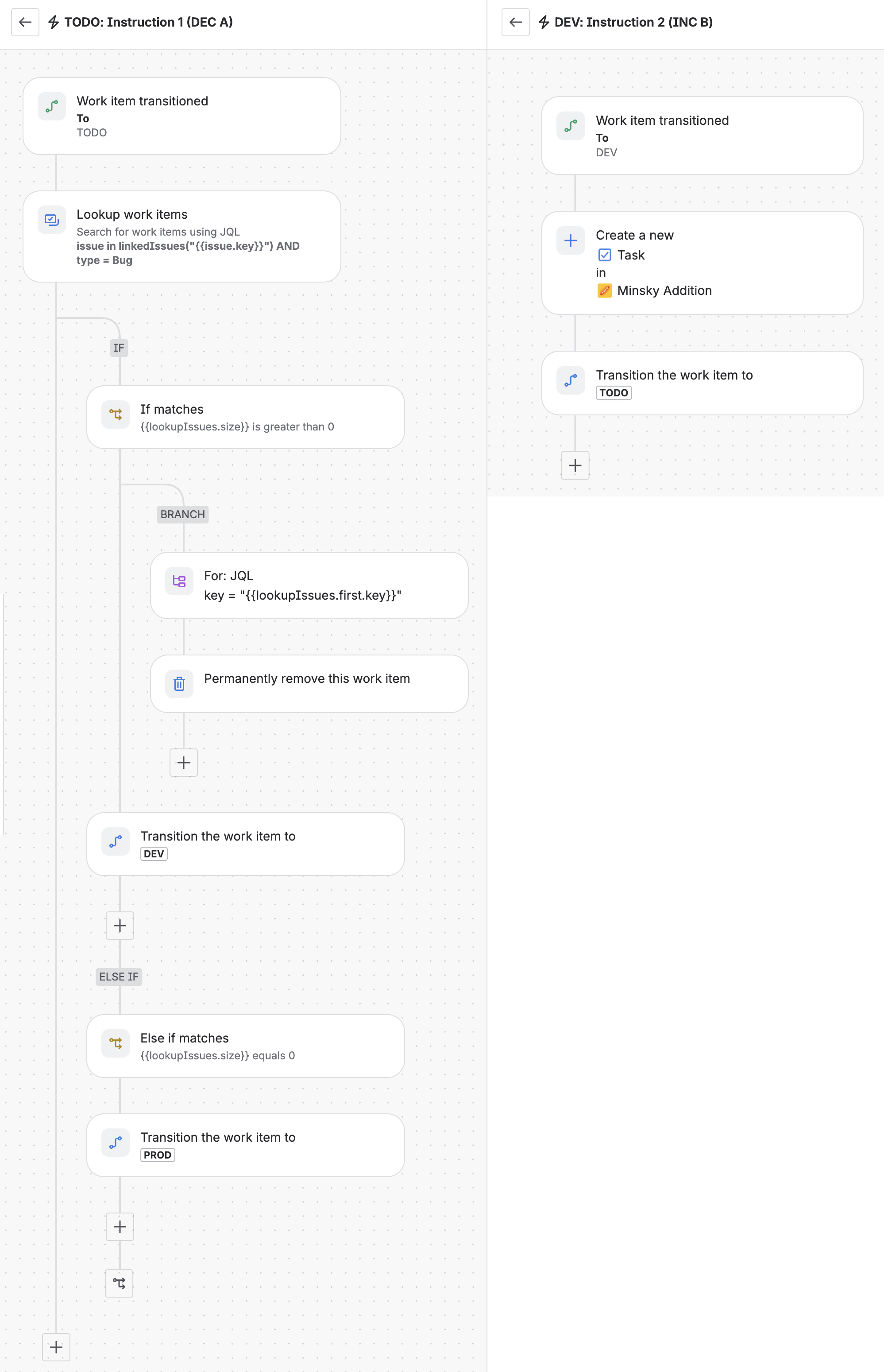
A Formal Proof That Jira Is Turing-Complete via Minsky Machine Implementation
This article provides a formal proof that Jira (Atlassian's project-tracking tool) is Turing-complete by demonstrating how to build a Minsky
A Formal Proof That Jira Is Turing-Complete via Minsky Machine Implementation
This article provides a formal proof that Jira (Atlassian's project-tracking tool) is Turing-complete by demonstrating how to build a Minsky

Agent Memory Is Distributed State Management, Not Magic
The article argues that "agent memory" in AI systems is fundamentally just distributed state management rebranded. It draws parallels betwee
Modified Raft Consensus Protocol Enables Progress with Minority Node Participation
This article describes a modified version of the Raft consensus protocol that allows progress to be made even when fewer than a majority of
How Shamir's Secret Sharing Algorithm Enables Threshold Cryptography
This article explains Adi Shamir's Secret Sharing algorithm, a cryptographic method published in 1979 that splits a secret into multiple pie
 ente.com·6d ago
Building a Rust Multi-Paxos Engine with AI: Lessons from 130K Lines of Code
A developer shares their experience building a 130K-line Rust-based multi-Paxos consensus engine using AI coding agents over ~3 months. The