





















4 Signs It's Time to Replace Your Old USB Drive
By
Faith Leroux

Lightly browned and well buttered. A solid pick from the rack.
Summary
This article discusses four key signs that indicate it's time to replace an old USB drive: slow transfer speeds, frequent errors or corruption, insufficient storage capacity for modern needs, and physical damage or wear. It provides practical advice on when to retire aging USB drives and upgrade to newer, faster, and more reliable models.
Key quotes
· 2 pulledUSB drives can be a convenient solution for storing personal files and data without pay
You probably have more than a few ancient USB drives sitting around the house, but is it time to replace them or can you still safely use them?
You might also wanna read

Addressing the Challenge of E-Waste: Extending the Life of Used PCs
The article discusses the growing issue of e-waste and the potential for extending the life of used PCs through upgrades and maintenance. It
spectrum.ieee.org·11mo ago
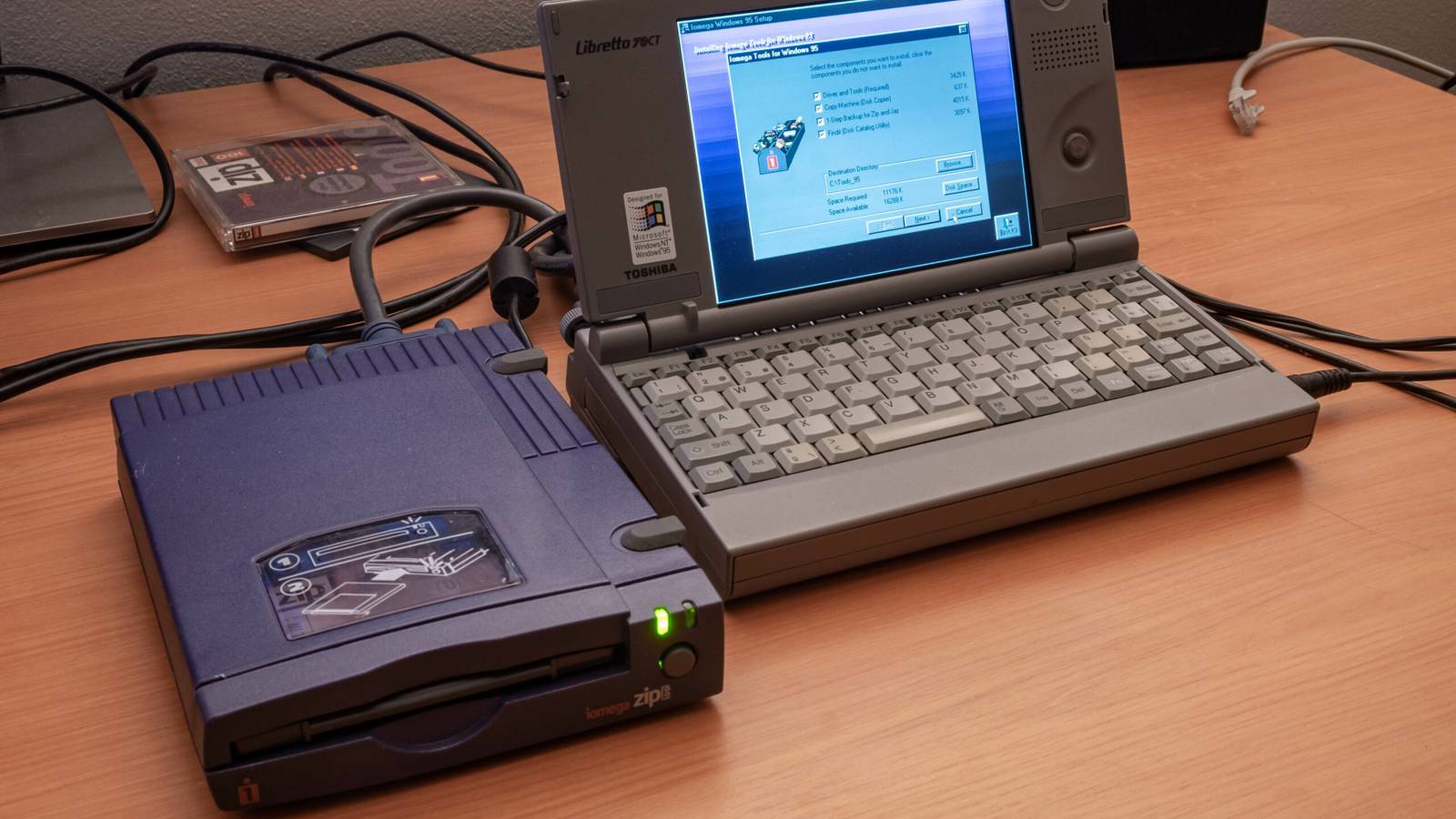
The Rise and Fall of Zip Drives: How 1990s Removable Storage Technology Dominated Then Disappeared
The article examines the rise and fall of Zip drives, a popular removable storage technology in the mid-1990s. It explores how Zip drives of
 xda-developers.com·1mo ago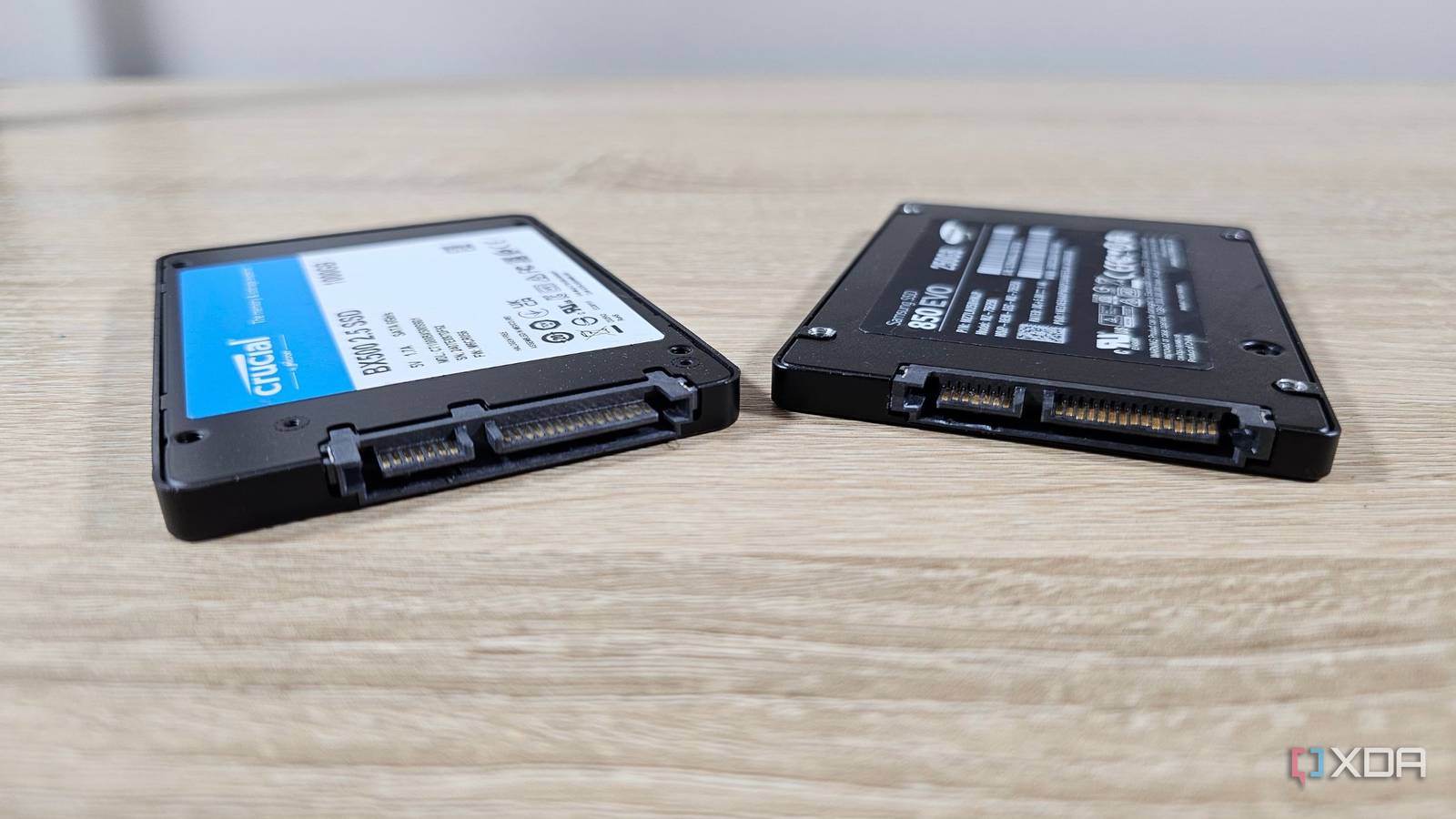
SSDs Lose Data When Left Unpowered for Extended Periods
The article explains that solid-state drives (SSDs) are not suitable for long-term data storage when left unpowered. Unlike traditional hard
xda-developers.com·6mo ago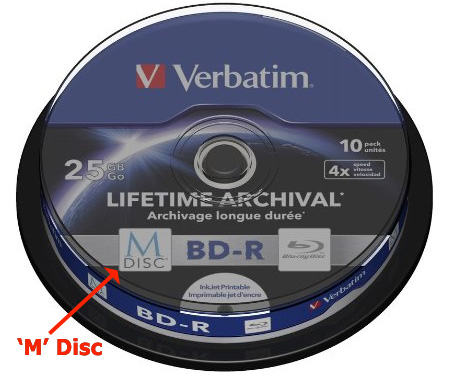
M Disc Archival Media: Testing and Review of Long-Term Data Preservation Technology
This article provides an extensive test and review of M Disc technology for long-term data archival. It addresses the problem of digital dat
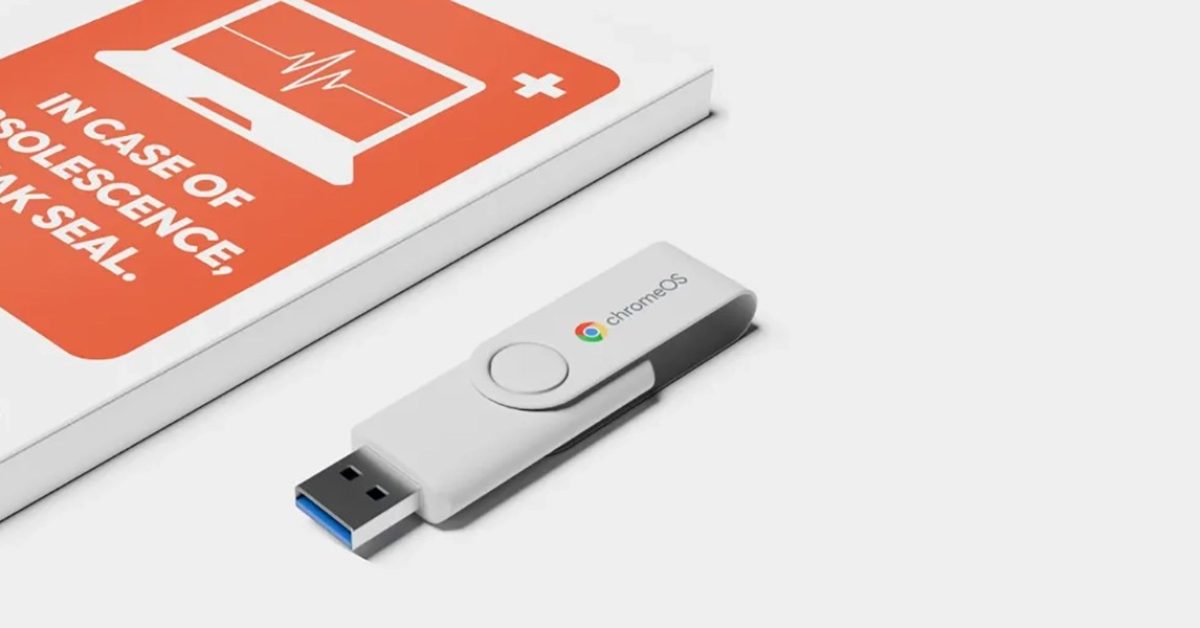
Google and Back Market Offer $3 ChromeOS Flex USB Stick to Revive Old Computers
Google has partnered with Back Market to offer a $3 ChromeOS Flex USB stick that can revive old computers by installing the lightweight Chro
 9to5google.com·3mo ago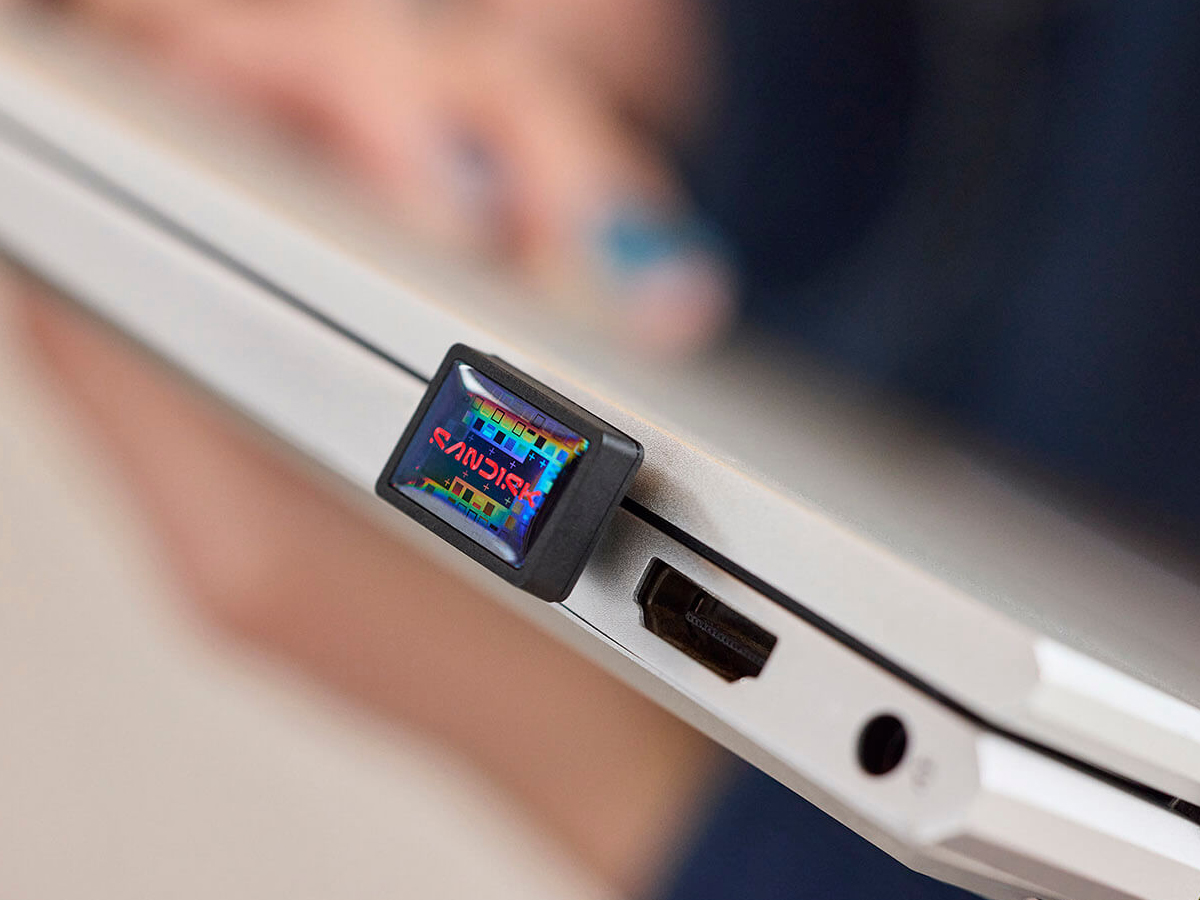
Sandisk Launches Compact Extreme Fit USB-C Flash Drive with 1TB Capacity
Sandisk has launched the Extreme Fit USB-C flash drive, featuring a compact dongle-like design that minimizes protrusion from device ports.
 notebookcheck.net·7mo ago