





















Social Security retirement trust fund projected to run dry by late 2032, trustees report
By
Tami Luhby

Toasted golden, schmeared with insight. Top of the rack.
Summary
Social Security's retirement trust fund is projected to be exhausted by late 2032, one quarter earlier than previously forecast, according to an annual report from the program's trustees. If Congress does not act to shore up the program's finances, tens of millions of retirees and other Americans could face reduced monthly Social Security checks in six years. The report highlights the growing urgency for legislative action to address the program's long-term solvency.
Key quotes
· 2 pulledTens of millions of retirees and other Americans could see smaller monthly Social Security checks in six years if lawmakers don't act to shore up the program's finances.
Social Security's retirement trust fund — which helps support payments to senior citizens and survivors of deceased workers — is expected to be exhausted in late 2032, which is one quarter earlier than previously forecast.
You might also wanna read
Trillions in Retirement Dollars Flow into Opaque Trusts

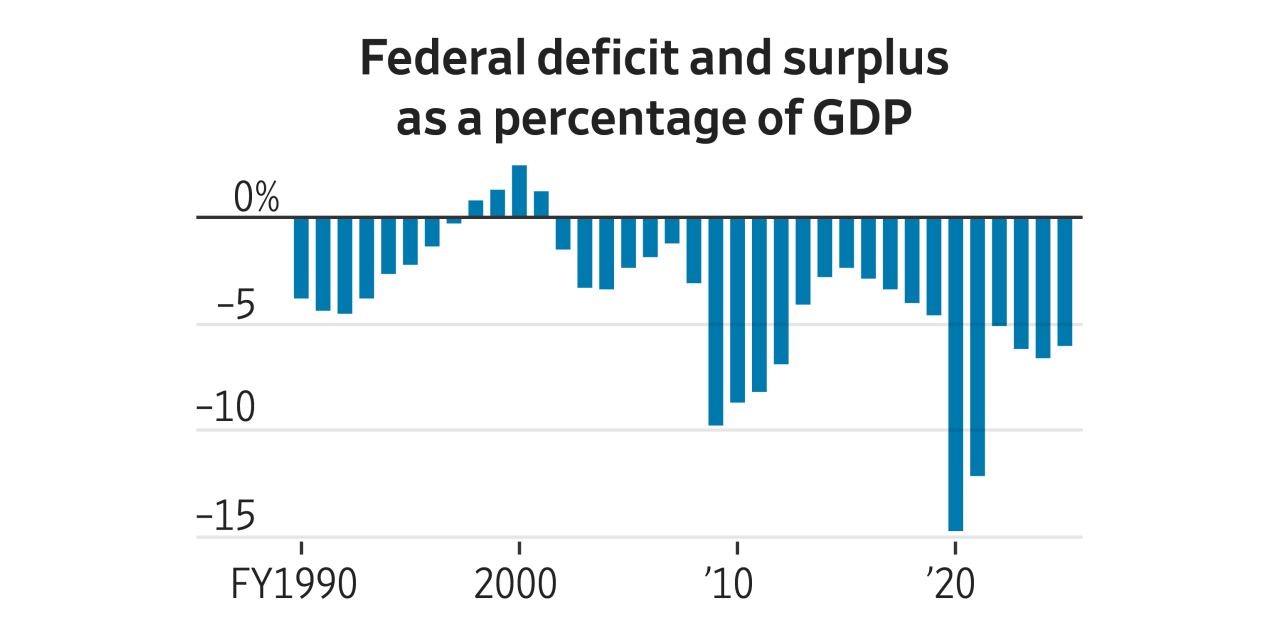
U.S. Federal Budget Deficit Unchanged in Fiscal 2025 Despite Tariff Revenue Increase
The U.S. federal budget remained grim in fiscal year 2025 despite a historic rise in tariff revenue, with the deficit staying the same as th
 wsj.com·8mo ago
Survey: 10% of U.S. Adults Postpone Retirement Due to Healthcare Costs
A West Health-Gallup survey reveals that nearly 10% of U.S. adults have postponed retirement due to healthcare costs, with many also delayin
 The Onion·2mo ago
Census Data Shows Inflation Wiped Out U.S. Income Gains in 2024
New Census Bureau data reveals that inflation erased wage gains for most Americans in 2024, leaving household incomes largely unchanged exce
wsj.com·9mo ago
NBER Study: Dramatic Wealth Increase for Americans 75+ While Other Age Groups Decline 1983-2022
This NBER working paper by Edward N. Wolff analyzes the dramatic shift in age-wealth profiles in the U.S. from 1983 to 2022, documenting a s
 nber.org·9mo ago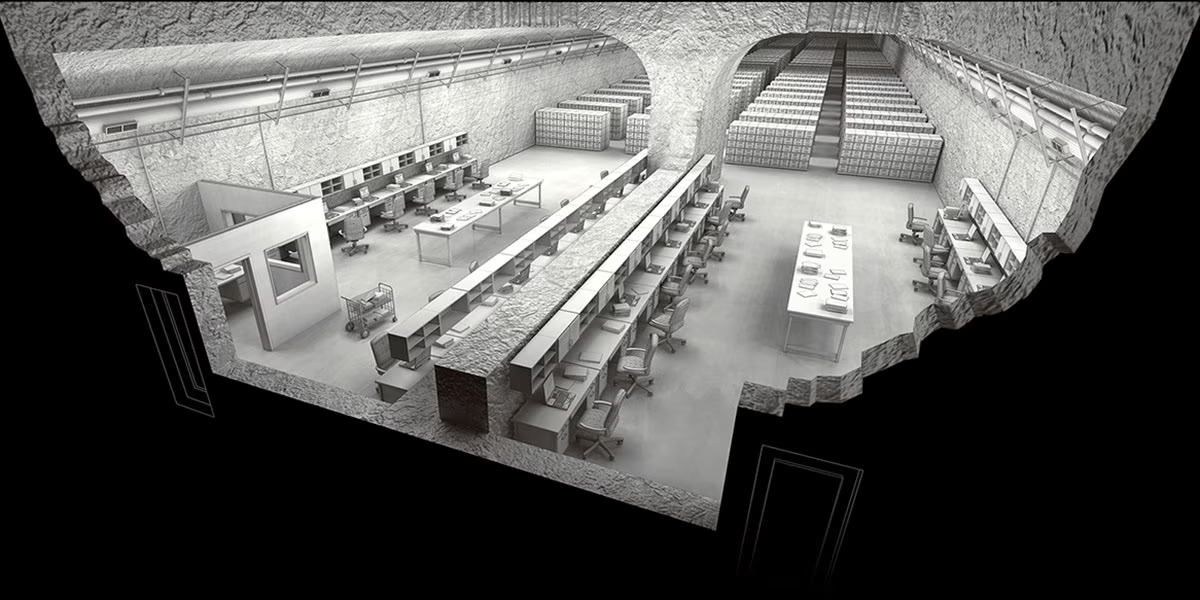
Engineers Modernize Federal Retirement System, Reducing Processing from Six Months to Near-Instant
Two engineers from the tech industry moved to Washington D.C. to modernize the federal retirement application process, which had been a pape
 ndstudio.gov·5mo ago