





















Insurance Denials for Eating Disorder Treatment Persist Despite Mental Health Parity Law
By
Eli Cahan

Hot, fresh, and worth queueing round the block for.
Summary
This investigative report examines how insurance companies are exploiting loopholes in the Mental Health Parity and Addiction Equity Act to deny coverage for intensive eating disorder treatment. Through the story of Katerina Rinaldi and other patients, the article reveals that insurers routinely deny inpatient and residential care for eating disorders, despite these conditions having the highest mortality rate of any mental illness. The report highlights how insurers use narrow medical necessity criteria, lack of in-network providers, and restrictive coverage policies to avoid paying for expensive but life-saving care, forcing patients into repeated cycles of hospitalization and relapse.
Key quotes
· 3 pulledI didn't feel safe in that body — I felt safe in a thinner one.
Going home to die — that's what it felt like.
The system is set up to fail people with eating disorders.
You might also wanna read

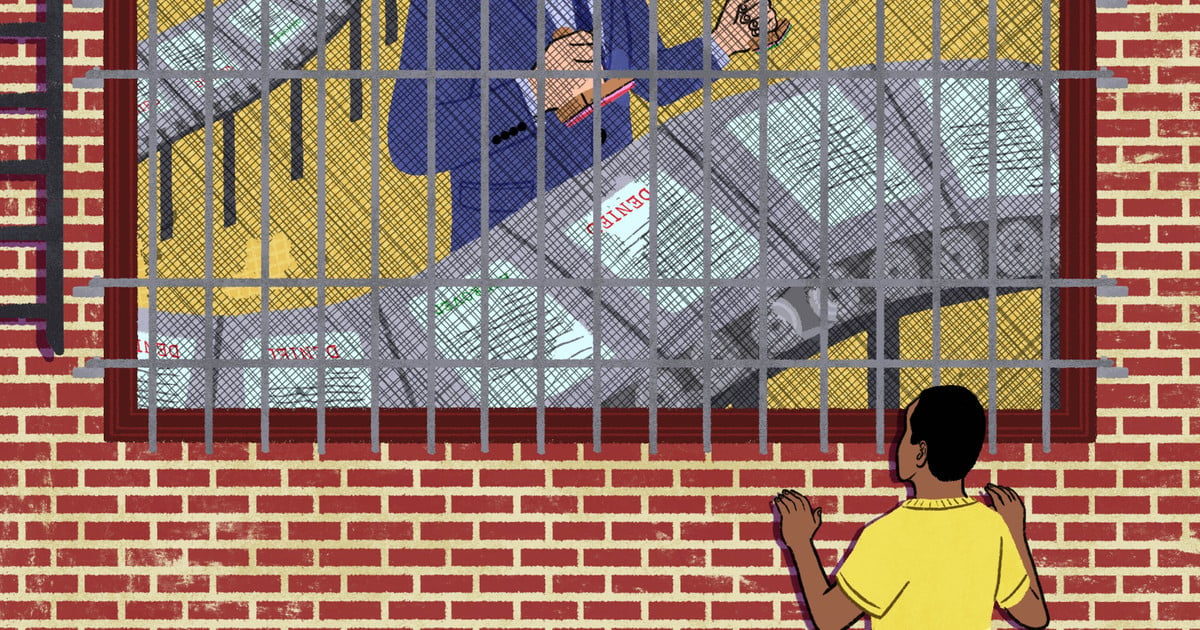
Health Insurers Keep Claim Denial Rates Secret From Consumers
Health insurers' claim denial rates remain largely hidden from the public despite being a critical measure of insurance reliability. Patient
 propublica.org·9mo ago
How Insurance Companies Have Come to Dominate American Healthcare
The article argues that insurance companies have become the dominant force in American healthcare, wielding more influence over clinical dec
Critique of Controversial Drug Treatment Proposal: Why Providing Drugs to Addicts Wouldn't Work
The article critically examines a controversial proposal to treat hard drug addiction by providing drugs at government facilities conditiona
 justismills.substack.com·8mo ago
The Professional Cost of Living Openly with Schizoaffective Disorder in Tech
Kenneth Reitz shares a deeply personal essay about the professional and social costs of living openly with schizoaffective disorder. He desc

Study Warns AI Chatbots Pose Serious Risks for Eating Disorder Vulnerabilities
Researchers from Stanford and the Center for Democracy & Technology warn that AI chatbots from companies like Google, OpenAI, Anthropic, and
 The Verge·7mo ago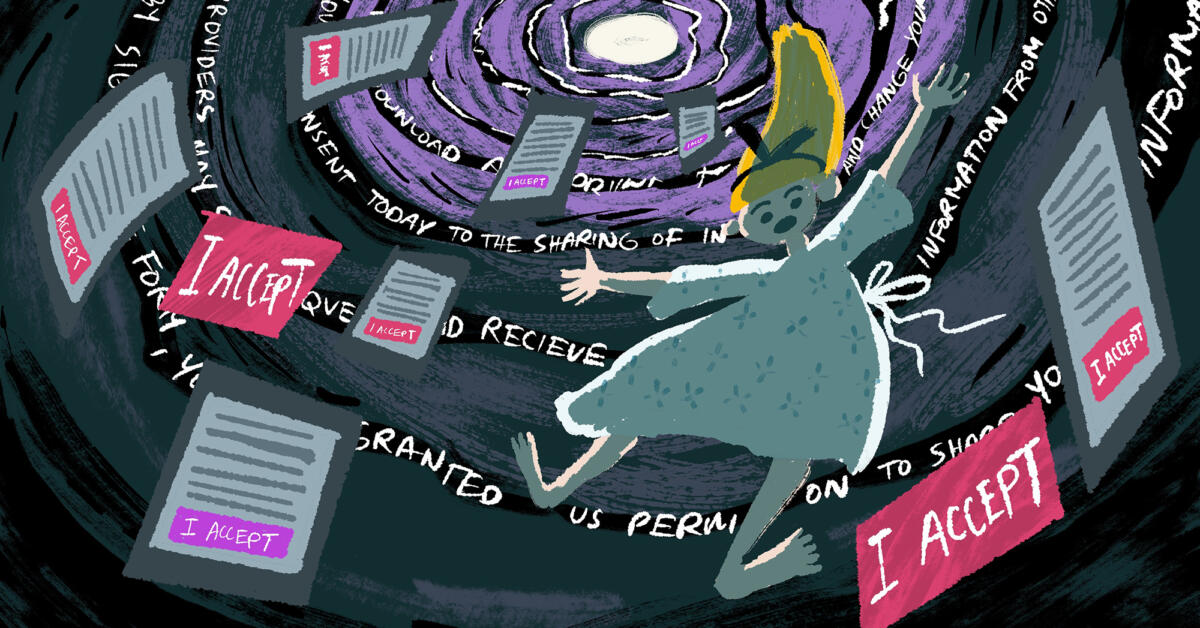
Dark patterns in healthcare privacy forms trap patients into sharing health data despite opt-out options
The article investigates how healthcare providers use dark patterns in privacy forms to pressure patients into sharing their health data wit
 bit.ly·9d ago