





















Educators use card, board, and video games to teach quantum mechanics to students
By
Sophia Chen

A weekday bagel. Dependable, satisfying, no fuss.
Summary
Educators and physicists are developing card, board, and video games to teach quantum mechanics concepts like superposition and entanglement to students, bypassing the traditional dense mathematical approach. At the APS Global Physics Summit in Denver, outreach experts showcased these accessible games designed for school-aged children and playful adults, offering a more intuitive entry point into quantum science.
Key quotes
· 4 pulledAs conventionally taught, quantum mechanics is full of esoteric squiggles.
To develop intuition about superposition and entanglement, undergraduate and graduate students grapple with complex mathematical rules in what can feel like a years-long hazing ritual.
There are now less painful options, as educators are partnering with academic physicists to create games to teach quantum mechanics.
At this year's APS Global Physics Summit in Denver, physics outreach experts gathered to show off a range of card, board, and video games that are more approachable than bra-ket notation.
You might also wanna read


Neuro-parasitologist Discusses Zombie Ant VR Game That Teaches Evolution
A podcast episode featuring neuro-parasitologist William C. Beckerson discussing a zombie ant virtual reality game designed to teach players
 podcasts.apple.com·10d ago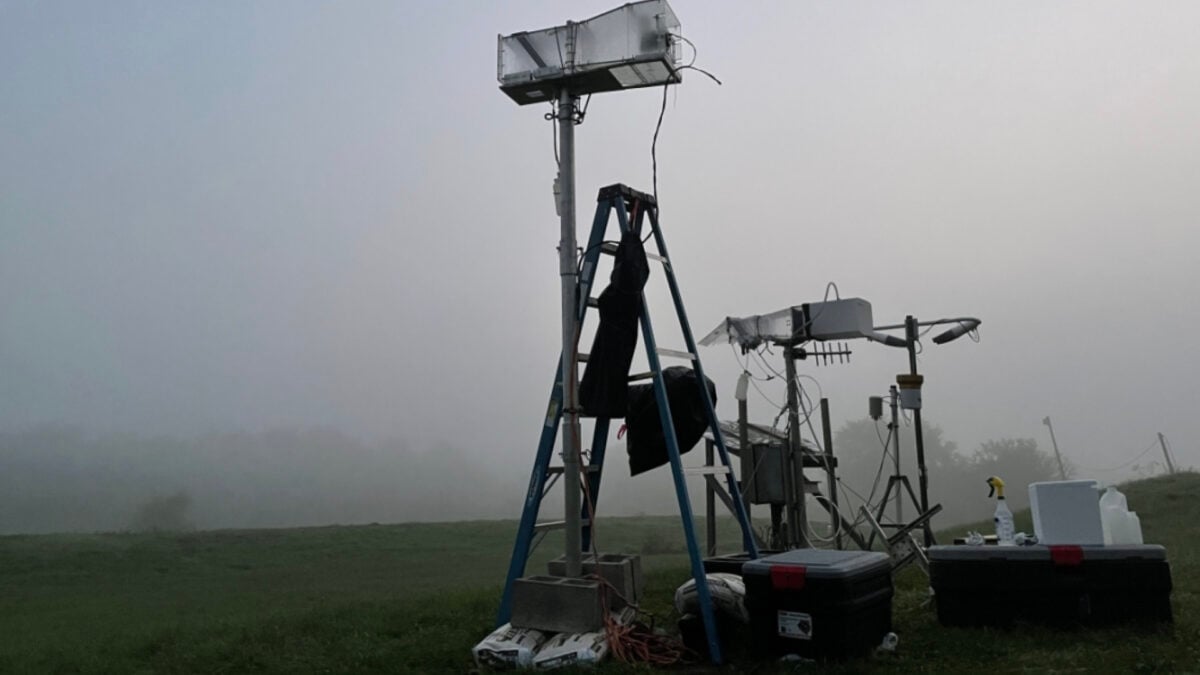
Fog Contains a Rich Microbial Ecosystem Comparable to Oceans and Lakes, ASU Study Finds
Researchers at Arizona State University collected fog water from 32 fog events over two years and discovered that fog contains a complex aer
 gizmodo.com·1h ago
Urban Flood Observations (UFO): A hand-labeled satellite imagery dataset for urban inundation mapping
This paper presents Urban Flood Observations (UFO), a global hand-labeled dataset of post-flood inundation in urban environments. The datase
 arxiv.org·1h ago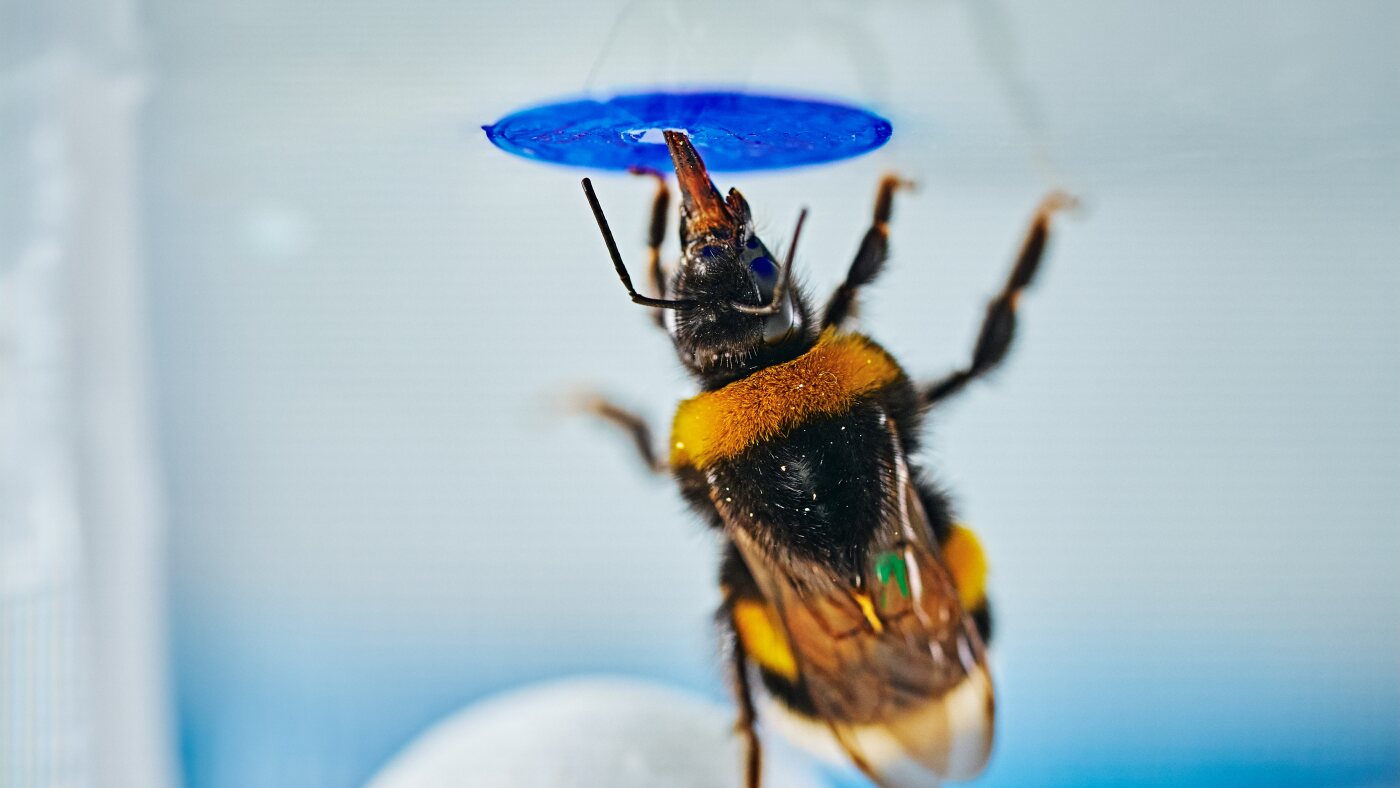
Study suggests bumblebees can solve problems spontaneously, like chimpanzees and elephants
New research suggests bumblebees may be capable of spontaneous problem-solving, similar to chimpanzees and elephants, despite having tiny br
 npr.org·4h ago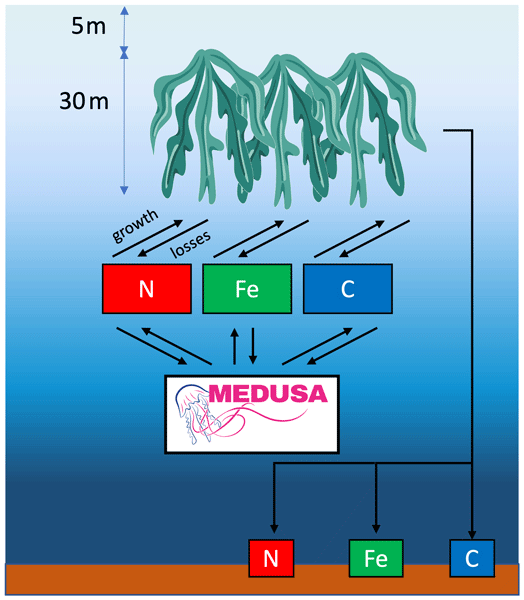
Study finds large-scale seaweed cultivation offers low carbon removal potential with significant ecological costs
This study uses a new macroalgae aquaculture module within the NEMO-MEDUSA ocean biogeochemistry model to assess the potential of large-scal
 bg.copernicus.org·5h ago
Ultraheavy nuclei may explain origins of highest-energy cosmic rays, Penn State study finds
New research led by Penn State scientists suggests that ultrahigh-energy cosmic rays—including the record-breaking "Amaterasu particle" dete
 psu.edu·5h ago